Spain Identifies 66 of 69 Victims in Urda Train Crash, Including Four Americans
Spanish authorities have identified 66 of the 69 people killed in the October 28 high-speed train collision near Urda, including four Americans, as families are notified and investigators continue to examine the control decisions made before the crash.
Spanish authorities have identified 66 of the 69 people killed in the high-speed train collision near Urda, in the central province of Toledo, according to information released on November 2 by the High Court of Justice of Castilla-La Mancha and reported by Spanish public broadcaster RTVE. The count is up from 56 identified victims on Sunday.
Of the 66 people identified, 54 were Spanish nationals and 12 were foreign citizens. The foreign victims included four Americans and one citizen each from Argentina, Canada, the Czech Republic, France, Japan, Mexico, Portugal and Tunisia. Authorities said the three people who have not yet been identified were also believed to be foreign nationals.
How the victims were identified
Forensic teams identified 53 victims through fingerprints and 13 through DNA testing, with work carried out by the forensic medicine institutes in Toledo and Ciudad Real, the National Institute of Toxicology and the Civil Guard criminalistics service. Authorities said the families of 60 identified victims had been notified, and 47 bodies had been made available to relatives. Three missing-person reports remain active, involving two Australian nationals and one Japanese national, and identification for families still waiting depends in part on relatives traveling to Spain or sending DNA samples for testing.
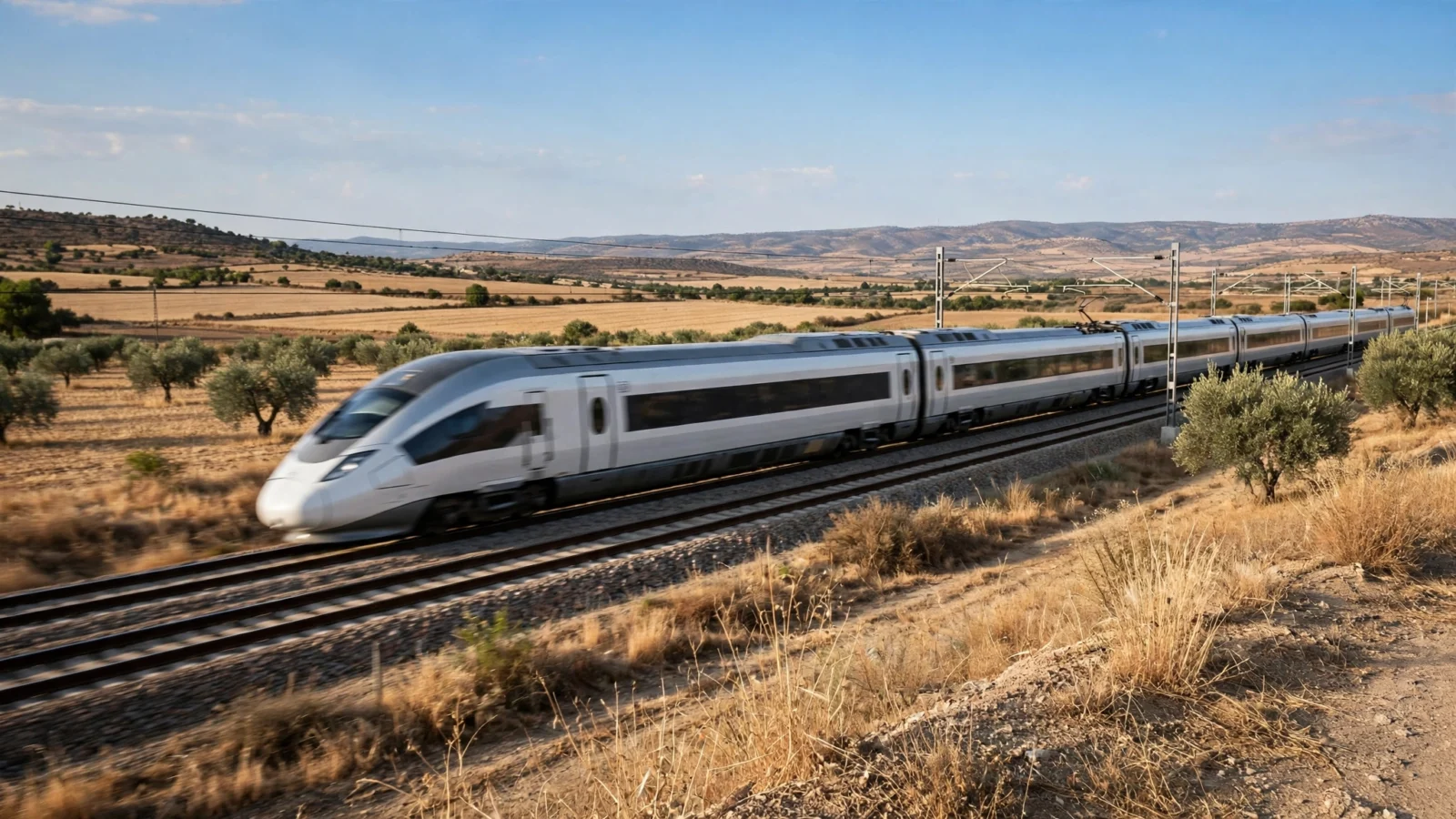
The crash happened on Wednesday, October 28, near Urda, about 130 kilometres south of Madrid, when a train run by the state company Renfe hit the rear of a stationary train run by Iryo on the Madrid to Seville high-speed line. More than 540 people were aboard the two trains. Authorities said the crash killed 69 people and injured 58, and it is Spain’s worst train crash since 2013. Spain declared three days of national mourning after it.
What investigators are examining
Transport Minister Óscar Puente has said controllers at an operations centre in Madrid could see both trains for 17 minutes before the collision, yet the moving train was allowed to continue, and early findings put its speed at about 100 to 125 miles per hour at impact. An automatic safety system had stopped working across part of central Spain, and the Madrid centre had taken over control of train movements. Puente has blamed poor judgement by a traffic controller for much of what went wrong, while railway unions have disputed that account, saying it points instead to too few controllers and worsening working conditions. A judge and independent investigators are examining the control decisions and the failure of the safety system, and no final account of the cause has been published.
Renfe and Iryo have backed a proposed operating rule for a partial failure of the LZB train-protection system, the type of problem reported before the crash. Under the proposal, trains restarting after such a failure would first stop and obtain specific authorization, then proceed by sight at no more than 40 kilometres per hour until passing the signal named in the authorization. Separately, Renfe introduced a temporary instruction for certain partial LZB failures, reported as taking effect on November 1, under which trains must follow an LZB3 telephone order and travel by sight below 40 kilometres per hour until they pass the authorised signal. Sources close to the operators expect the minister may announce the proposal at Tuesday’s Council of Ministers, where a decree for victims is also due to be considered.
Separately, 29 people remain in hospital in Castilla-La Mancha, including nine in intensive care, and 81 of the 110 people first admitted to six hospitals have been discharged. Psychological support teams are expected to remain in Urda at least until November 4, and a family assistance centre in Toledo has offered transport, supplies and psychological care since October 28.

Reporting based on coverage by Zark News and RUSSPAIN.