Iran Says Four Oil Tankers Were Destroyed by Mines Near the Strait of Hormuz
Iran's Revolutionary Guard said four oil tankers were destroyed after striking naval mines south of the Strait of Hormuz and that two other vessels were seized. The claims could not be independently verified, and the identities of the tankers and their crews remain unclear.
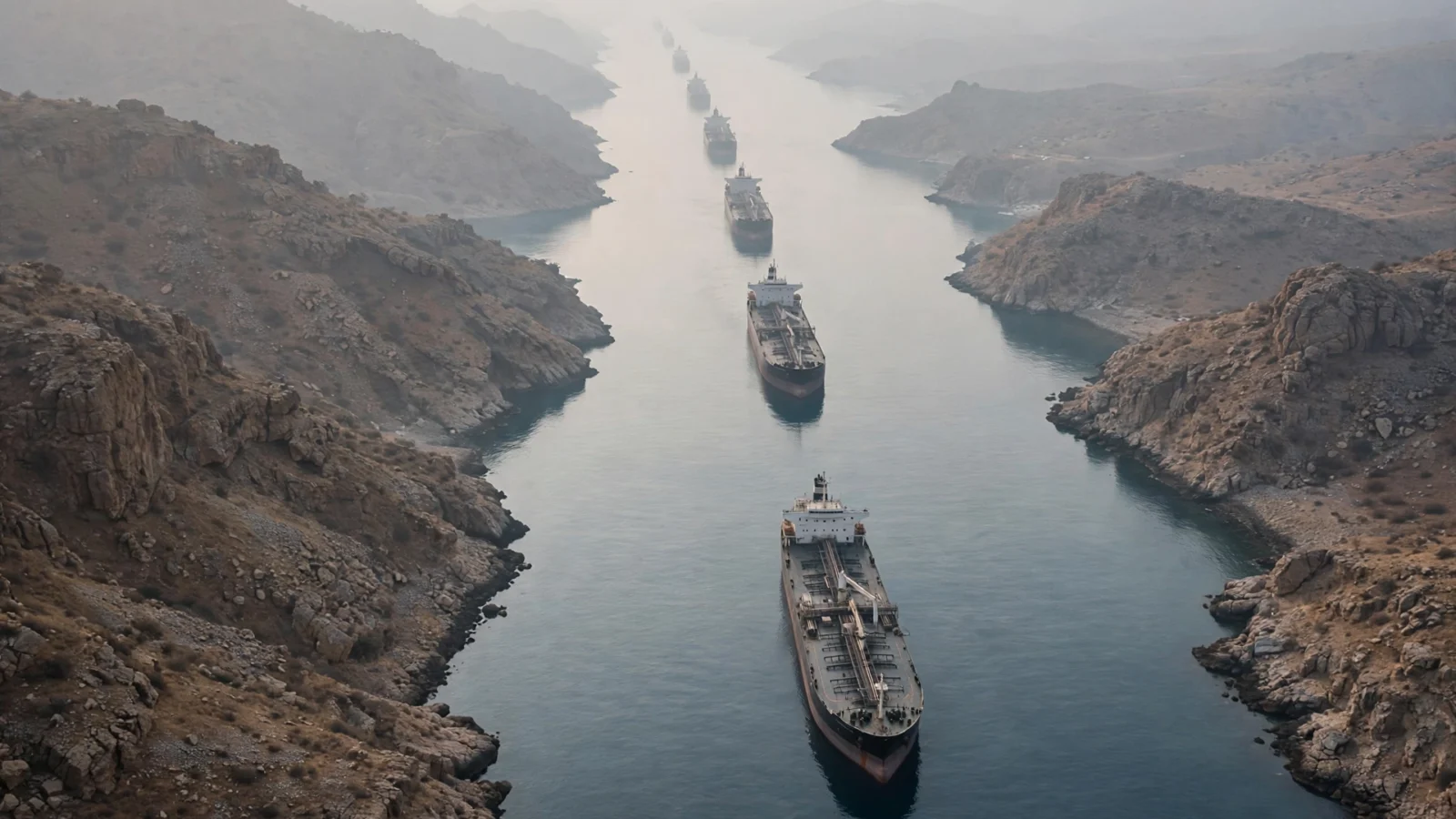
Iran’s Islamic Revolutionary Guard Corps said on Wednesday that four oil tankers were destroyed after striking naval mines while trying to use a route south of the Strait of Hormuz that Iran had described as prohibited. In a statement carried by Iranian state media, the corps said the tankers remained ablaze and that two other vessels had been seized.
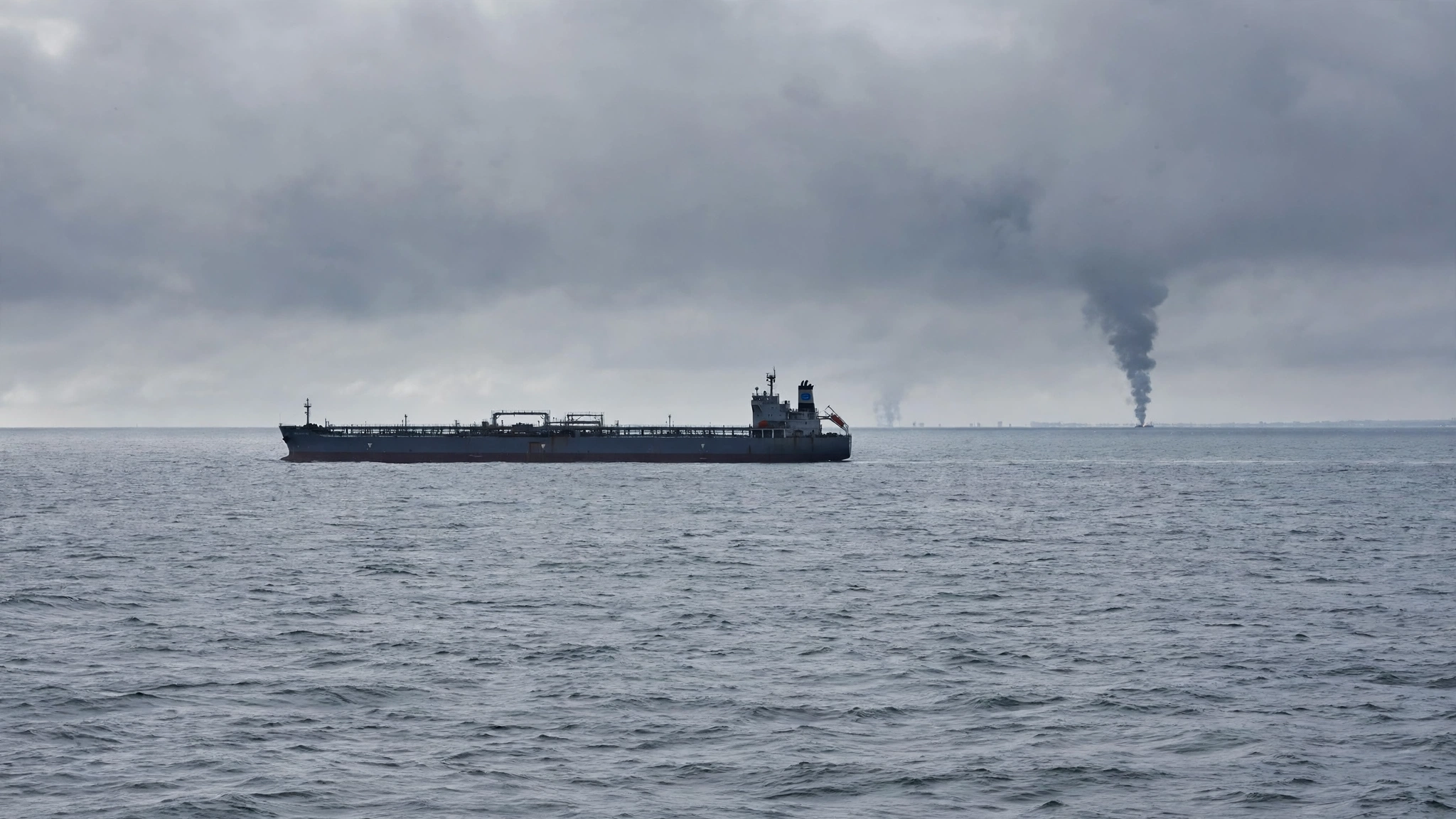
The claims could not be independently verified. The statement did not name the tankers, give their flags or owners, or provide details about their crews or the extent of the damage.
A separate strike near Oman
The announcement followed a separate reported attack a day earlier. United Kingdom Maritime Trade Operations said a tanker was struck by two unidentified projectiles at about 7 p.m. UTC on November 3, around 14 nautical miles northeast of Lima, Oman. The vessel’s company security officer reported that the projectiles struck the engine room. UKMTO said there were no reported casualties or environmental impacts at the time of its warning, and that authorities were investigating.
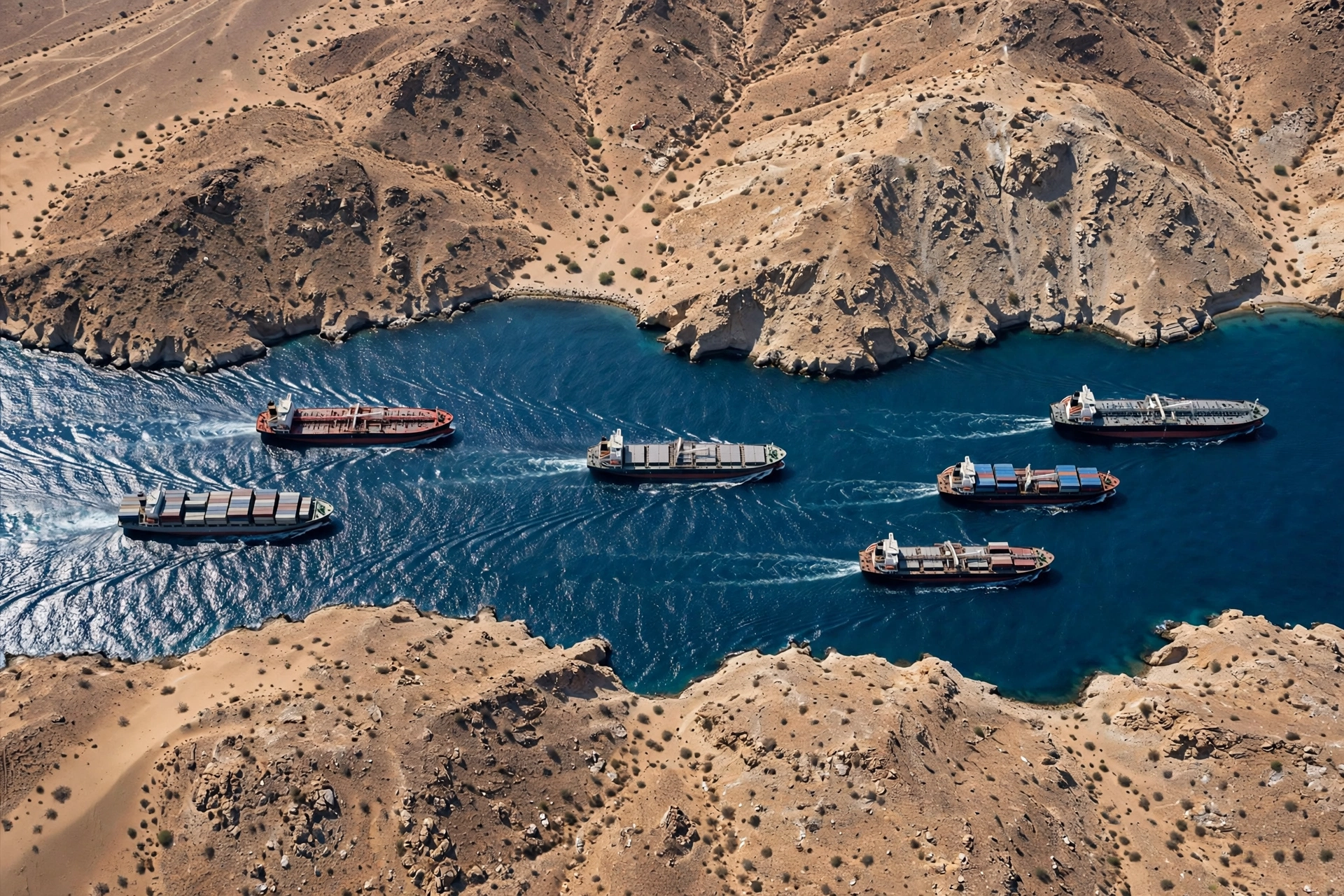
Shipping reports identified the vessel as the Barbados-flagged very large crude carrier Grit, which the publication Vanguard reported had been placed on an Iranian blacklist earlier in the week. The identity of those behind the attack has not been independently established.
Warnings of further risk
Maritime security company DIAPLOUS warned on November 3 of an elevated risk of renewed military escalation between the United States and Iran during November 3 to 6. The firm pointed to recent military developments, continued attacks on merchant shipping, and unresolved diplomatic tensions. It listed possible consequences that included further attacks on commercial vessels, interference with navigation, disruption to shipping routes, higher war-risk insurance costs, and restrictions at regional ports. The assessment was a risk outlook, not a confirmation that further hostilities would occur.
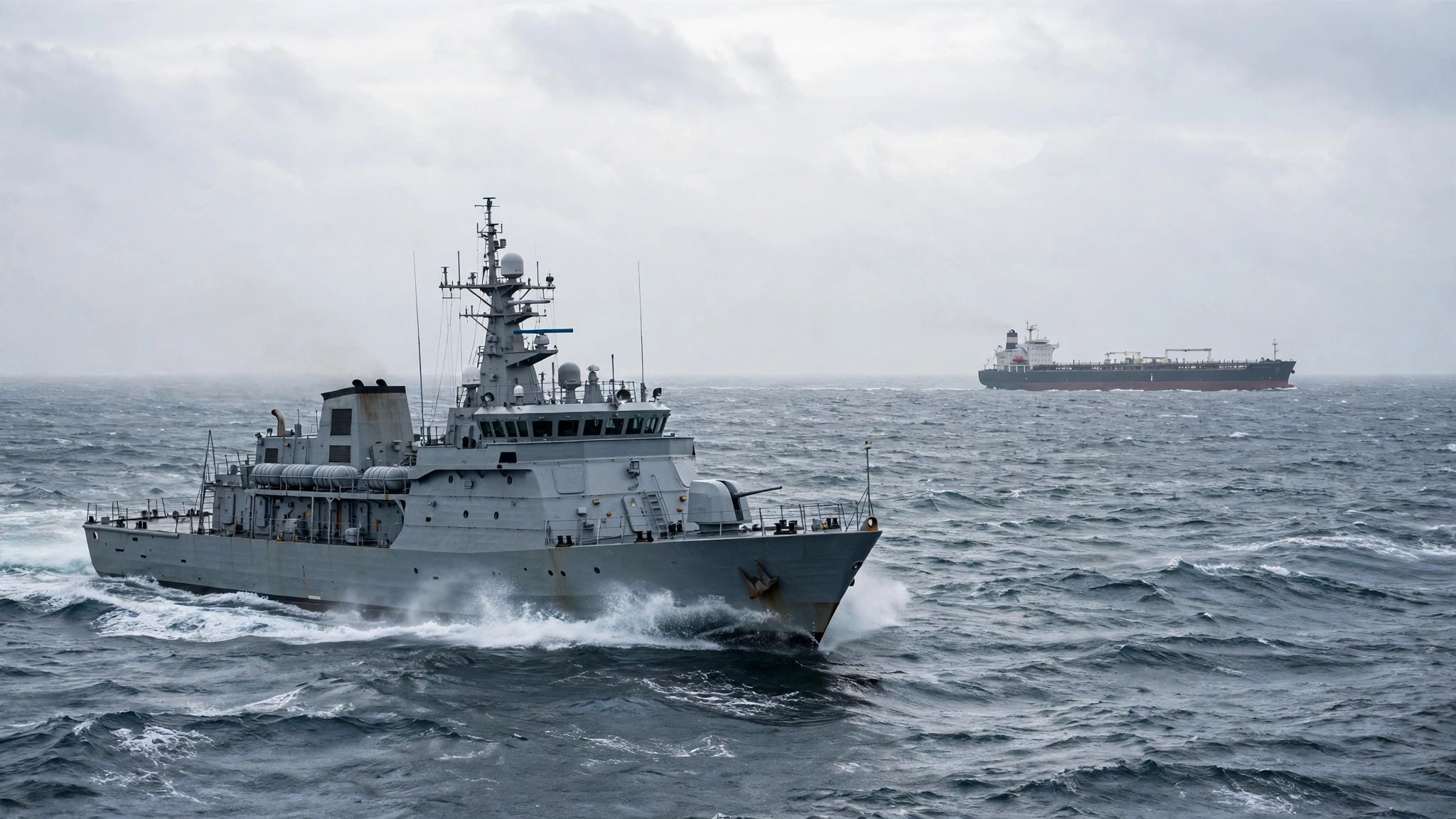
The reports followed a series of attacks on commercial vessels in and around the strait, including a fatal attack on an Indian-crewed vessel near Oman on November 2. India’s External Affairs Minister S. Jaishankar told the G20 Foreign Ministers’ Meeting in Atlanta on October 30 that freedom of navigation under international law, including the United Nations Convention on the Law of the Sea, must be protected. He said developing economies were hit hardest by attacks on civilian shipping and seafarers, and that disruptions threatened access to food, fuel, and fertilizers.
Reporting based on coverage by Reuters and SAFETY4SEA.