Buying vs. Leasing a Car: What Each Costs and How to Choose
Buying gives you ownership and no mileage limit, while leasing gives a lower monthly payment for a set term with limits on miles and wear.
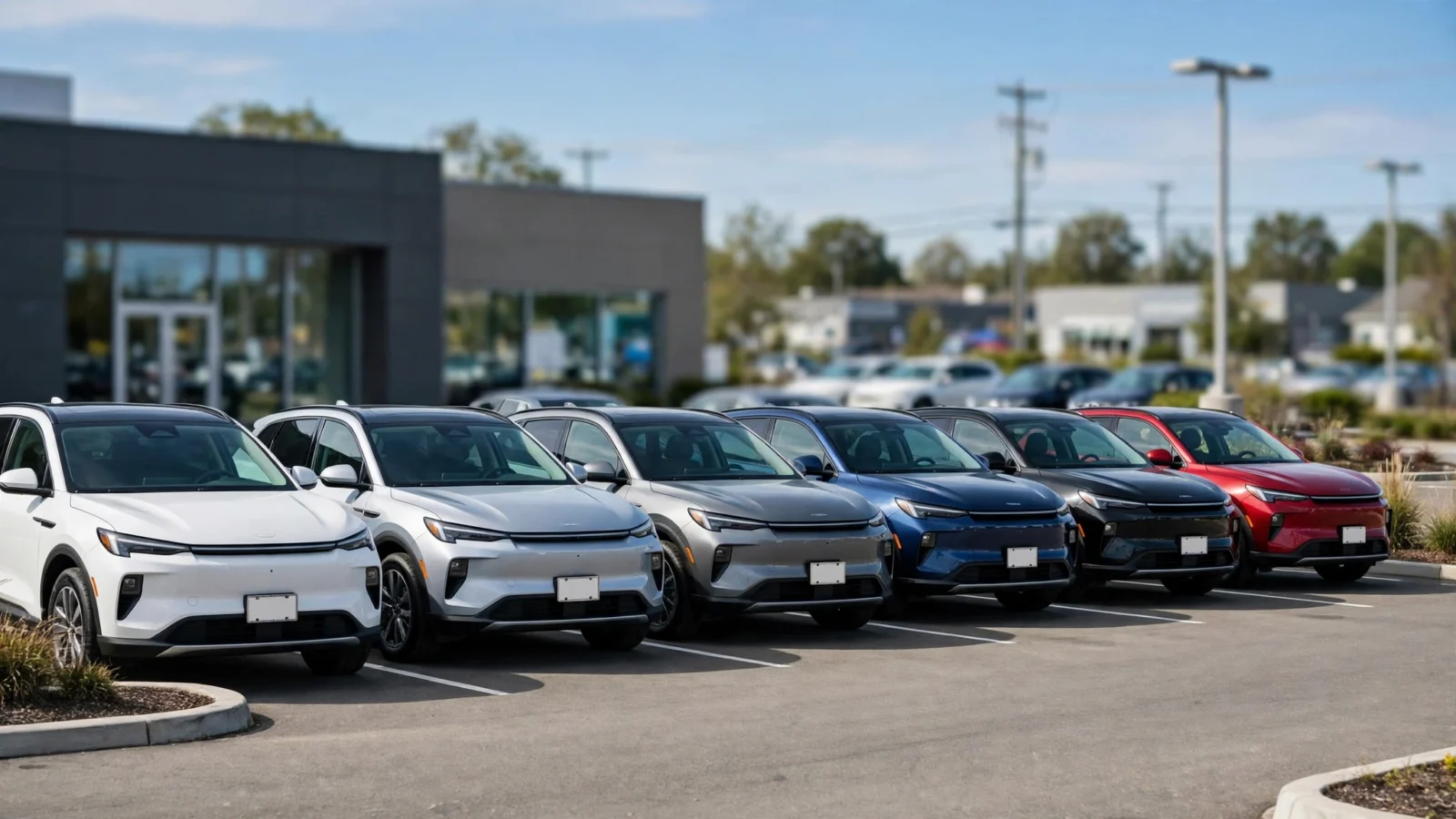
A shopper who walks into a dealership faces two ways to drive a new car home: buy it or lease it. The monthly payment looks like the whole story, but the two deals differ in ownership, in limits on use, and in what happens when the term ends. Buying means the car becomes yours. Leasing means you pay to use it for a set time and then give it back, unless you buy it out.
How buying works
When you buy, you pay the full price of the car, either in cash or with an auto loan. With a loan, you make monthly payments until the balance is paid off. After that, the car is yours outright, with no monthly payment left. You can sell it or trade it in at any time, drive as many miles as you want, and change it as you like. The trade-off is that repair costs fall on you once the factory warranty ends, and monthly loan payments are usually higher than lease payments for the same car, because you are paying for the whole car rather than part of its value.

Buying also builds equity. Each loan payment reduces what you owe, and the car keeps a resale value you can use toward the next car. That value falls over time, and cars lose value fastest in the first years, so a buyer who sells early may owe more than the car is worth. A larger down payment lowers the monthly payment and lowers that risk.
How leasing works
When you lease, you sign a contract to use the car for a fixed term, commonly 24 to 48 months. Your monthly payment covers the drop in the car’s value during that term, plus interest and fees. That is why lease payments are often lower than loan payments for the same car. At the end of the term, you return the car, buy it for the residual value stated in the contract, or start a new lease.
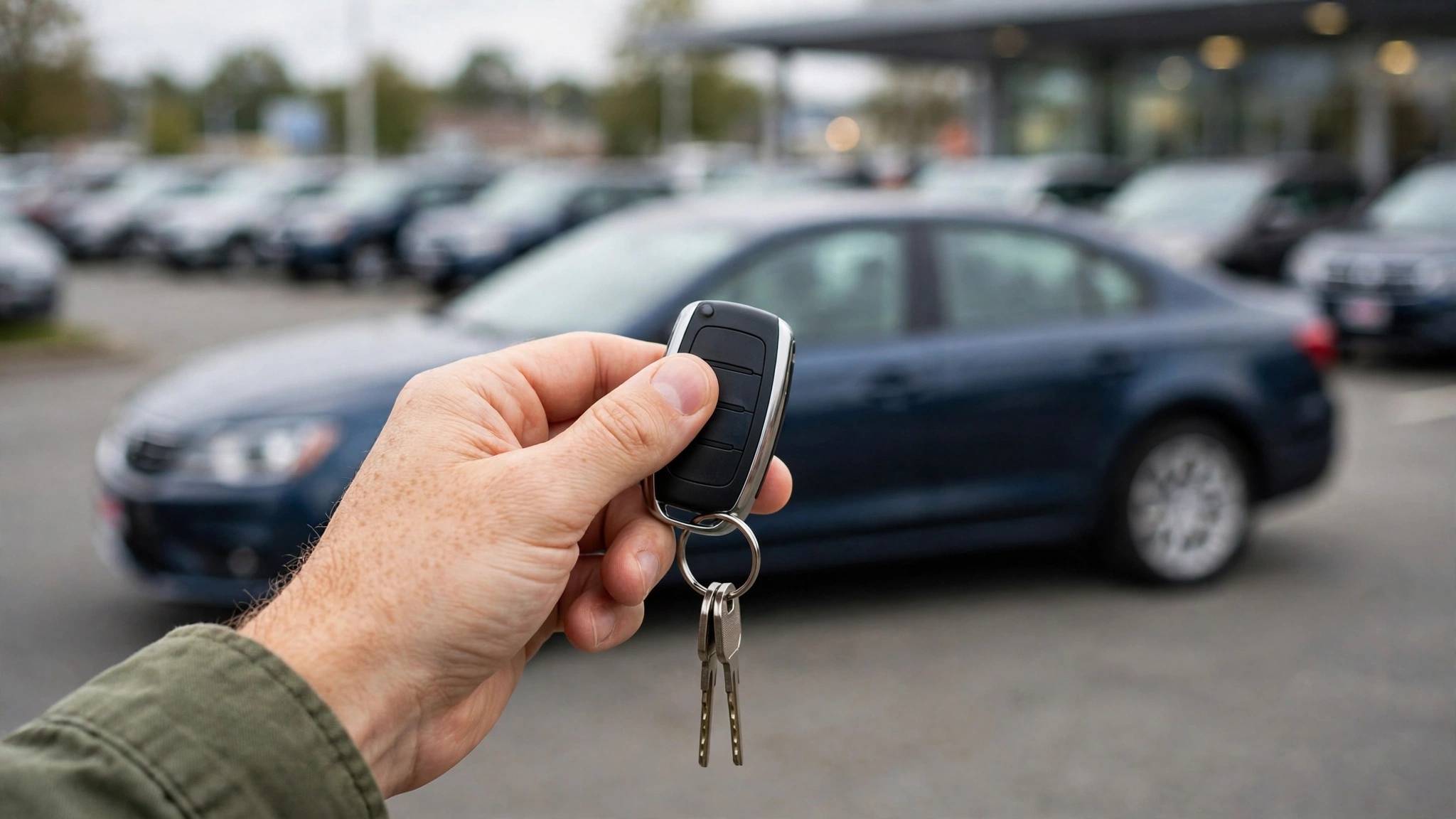
Leasing comes with limits. Most contracts set an annual mileage limit, commonly around 10,000 to 12,000 miles, and charge a fee for each mile over it. You must return the car in good condition or pay for excess wear, and ending a lease early usually brings a fee. You also must keep the car insured to the level the contract requires and follow its maintenance rules. Terms, fees, and mileage limits vary by contract, so the written agreement is the document that counts.
Buying vs. leasing at a glance
| Buying | Leasing | |
|---|---|---|
| What it is | You pay the full price, in cash or with a loan, and own the car. | You pay to use the car for a fixed term and return it at the end, unless you buy it out. |
| Who gets it | Any buyer who can pay cash or qualify for an auto loan. | Any driver approved by the leasing company after a credit check. Lease approval often calls for a stronger credit profile than a purchase loan. |
| Costs | Down payment, monthly loan payments with interest, insurance, maintenance, and repairs after the warranty ends. Payments stop once the loan is paid off. | First payment, acquisition fee, monthly payments, and often a disposition fee at return, plus possible charges for excess miles or wear. Monthly payments are often lower, but a new lease starts a new round of payments. |
| Pros | You own an asset you can sell or trade. No mileage limit. No wear charges. No monthly payment after the loan ends. | Lower monthly payment for the same car. A new car every few years, usually still under warranty. Little or no repair cost during the term. |
| Cons | Higher monthly payment. Repair bills after the warranty ends. Value drops fastest in the first years. | No ownership and no equity at the end. Mileage and wear limits. Fees for ending early or returning a worn car. |
The verdict
There is no better choice for every driver. The right one depends on how long you plan to keep the car, how many miles you drive, and whether you want to own it.

- Buy if you plan to keep the car for many years, drive high mileage, want no limits on use, or want to stop making payments once a loan is paid off.
- Lease if you drive low mileage, want a new car every few years, want a lower monthly payment, and want most repairs covered by the factory warranty during the term.
- Check the contract either way: interest rates, fees, and lease terms change over time, and tax and registration rules vary by state.
Explainer based on consumer guidance published by the Consumer Financial Protection Bureau and the Federal Trade Commission on buying and leasing a vehicle.