Justice Department Will No Longer Enforce Federal Registration Rules for Silencers and Short-Barreled Guns After Court Ruling
The Justice Department said Friday it will stop enforcing federal registration requirements for firearm suppressors, short-barreled rifles and other firearms covered by a Texas court ruling, a major easing of restrictions under the 1930s-era National Firearms Act.
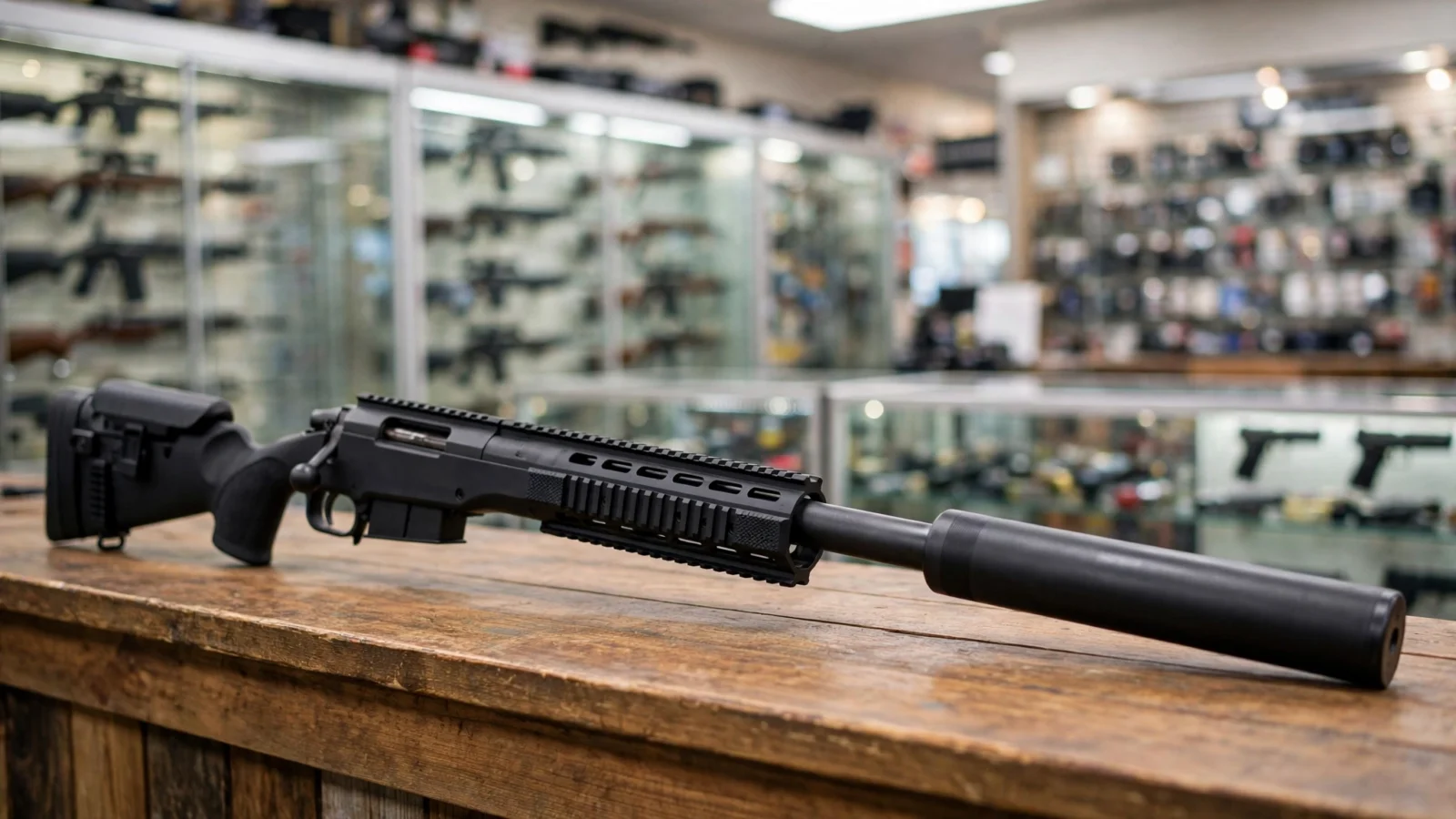
WASHINGTON — The Justice Department said Friday it will no longer enforce federal registration requirements for firearm suppressors — commonly known as silencers — along with short-barreled rifles, short-barreled shotguns and certain other firearms, following a Texas court ruling that struck down key provisions of a decades-old gun law.
The enforcement change means buyers in most of the country can now purchase the affected firearms without filling out the federal registration form, submitting fingerprints and waiting for government approval, according to the Associated Press. Bureau of Alcohol, Tobacco, Firearms and Explosives Director Rob Cekada said the administration decided to apply the change nationwide after U.S. District Judge James Hendrix of Texas ruled in August that the permitting process was unconstitutional, and the Justice Department opted not to appeal.
“The direction from the President, Congress, and the courts is clear,” Cekada said in an emailed statement, adding that the ATF is adjusting its “enforcement posture while continuing to ensure we remain focused where we are needed the most: combating violent crime in American communities.”
Cekada told the AP that after the ruling, federal law enforcement was flooded with questions from the public and members of Congress about how the rules would be applied, and the administration concluded the “best and fairest thing to do” was to address them nationwide rather than leave a confusing patchwork of enforcement across the states.
A 1930s law meets a changed statute
At issue were regulations under the National Firearms Act, a 1930s-era law passed in response to mafia-era violence. Judge Hendrix ruled the registration rules must fall after the Republican-controlled Congress and President Donald Trump eliminated a $200 permit tax on the devices — the tax that had anchored the registration scheme.
The move is the latest by the Trump administration to ease firearms restrictions that gun rights groups have long called overly burdensome. Gun rights activists have argued for years that the registration requirements — the form, the fingerprinting, the wait — served little purpose once the underlying tax was gone.
What changes — and what does not
Under the new guidance, the ATF will no longer require federal registration unless the buyer lives in one of about 15 states that have their own laws requiring people to go through the federal permitting process. Registration is still required for machine guns and what federal law classifies as “destructive devices,” the Justice Department said.
In all cases, buyers must still fill out the standard federal firearms purchasing form — which includes questions about factors that would disqualify someone from legal gun ownership — and pass a background check. Federal firearms licensees also may not sell or deliver the affected items in violation of state or local law.
Groups that support gun restrictions condemned the decision. In a statement Friday, John Feinblatt, president of Everytown for Gun Safety, said Cekada had embraced the “smash-and-grab lawlessness of the Trump administration by attempting to pick and choose which federal gun laws he enforces,” arguing the regulations remain important for public safety.
Reporting based on coverage by the Associated Press.