Data Center Opponents Win Governor Races in Texas, Georgia and Ohio
Democratic candidates who promised to slow data center construction won the governor races in Texas, Georgia and Ohio on Tuesday, putting new pressure on the AI build-out in three of its largest hubs.
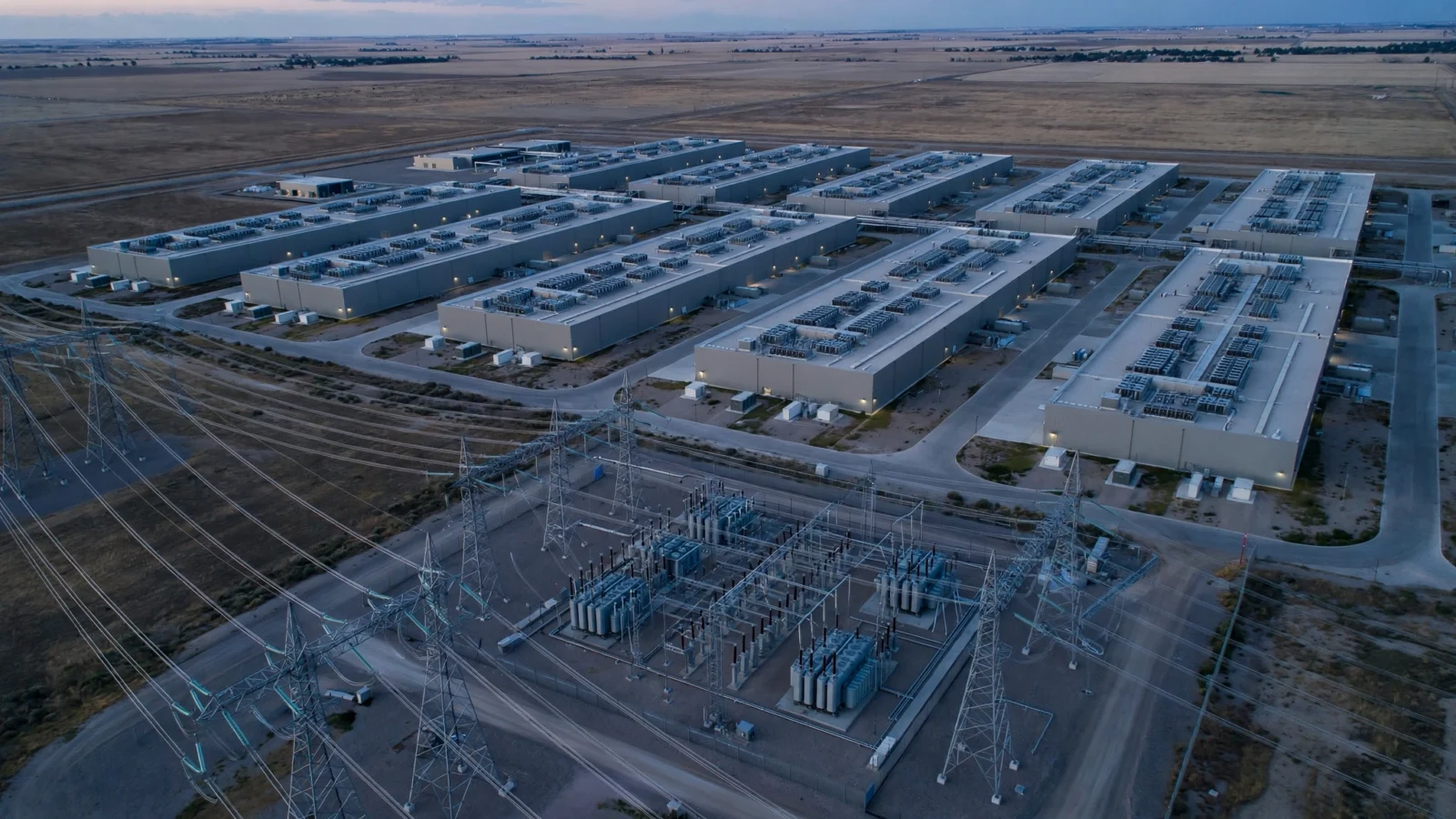
Democratic candidates who pledged to halt or slow data center construction won the governor races in Texas, Georgia and Ohio on Tuesday, turning voter opposition to the AI build-out into results in three of the states where server farms are growing fastest.
In Texas, Gina Hinojosa ousted Republican Gov. Greg Abbott after promising an immediate moratorium on new data centers until the legislature passes laws to protect residents. She vowed in the final weeks of the campaign to “stop the data center takeover” and said she would ban all data center approvals until lawmakers pass laws “to protect Texans, so that Texans have a seat at the table to decide if and how data centers come into our community,” according to Reuters.

Texas has become one of the busiest regions for data center development in recent years, with Meta, Google and Microsoft announcing large projects in the state. Grid operator ERCOT said it was tracking more than 400 gigawatts of data center projects seeking to connect to the grid, roughly the amount of power it would take to supply the entire U.S. South.
Georgia and Ohio follow the same pattern
In Georgia, former Atlanta Mayor Keisha Lance Bottoms won the governor’s race after promising a temporary statewide pause on data center construction. Atlanta has about 2.9 gigawatts of data centers under construction, more than Northern Virginia, according to CBRE figures cited by Dealroom.
In Ohio, Amy Acton defeated Vivek Ramaswamy on a promise of a conditional freeze on new approvals unless strict energy and water rules are met.
The backlash was not limited to governor races. In all, 26 gubernatorial candidates in 21 states backed some form of moratorium, according to Dealroom. An NBC exit poll found 56% of voters said AI and data centers were a major factor in their vote for Congress, and a separate NBC and SSRS exit poll found 76% of voters opposed the construction of a new data center in their community. A Reuters/Ipsos poll published this week found 42% of registered voters said limiting the construction of data centers used to power AI was very important or the most important issue for them.
Even Abbott had already pulled back
Abbott himself had moved against the industry before the election. On August 3, he became one of the first Republican governors in the country to halt the connection of new data centers to the state power grid, and he ordered a review of the projects focused on power demand, environmental effects and tax breaks. But he stopped short of a formal moratorium, which Hinojosa has vowed to impose.
Elon Musk, who backed Abbott and spent $158 million to promote Texas Republican Senate candidate Ken Paxton alone, wrote on X early Wednesday: “Data centres in space looking pretty appealing right now.”
The pledges will still face limits. Governors’ powers depend on state law, and some of the winners will need their legislatures to act. The pledges also differ in strength, from an immediate moratorium in Texas to a temporary pause in Georgia and a conditional freeze in Ohio.
Reporting based on coverage by Reuters and Dealroom.