Four Million Workers Join Spain’s First General Strike in 14 Years Over Housing Costs
Unions said about four million workers walked out on Wednesday in Spain's first general strike since 2012, protesting rents that now swallow nearly a whole young worker's monthly pay, less than three weeks before a snap election.
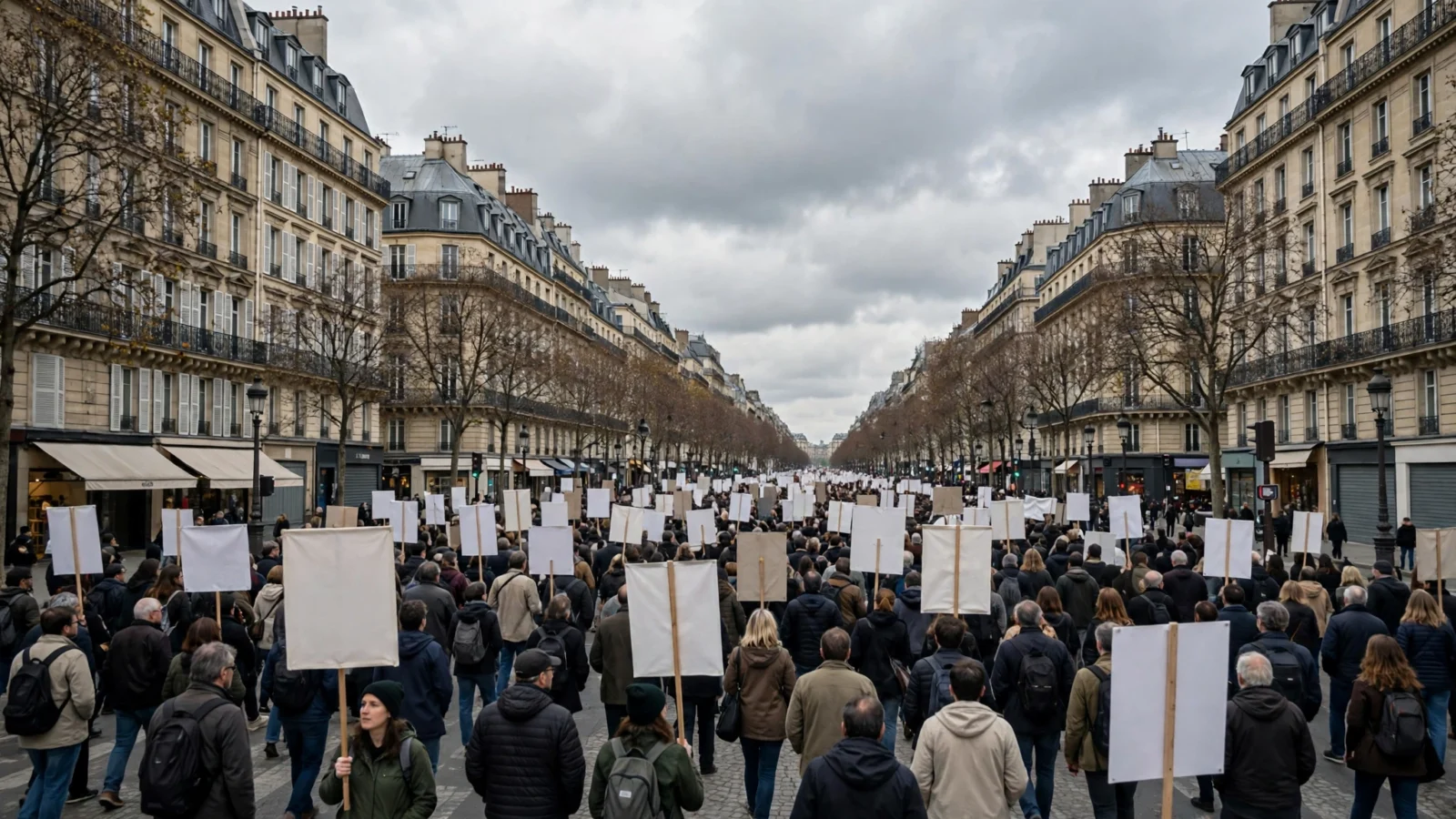
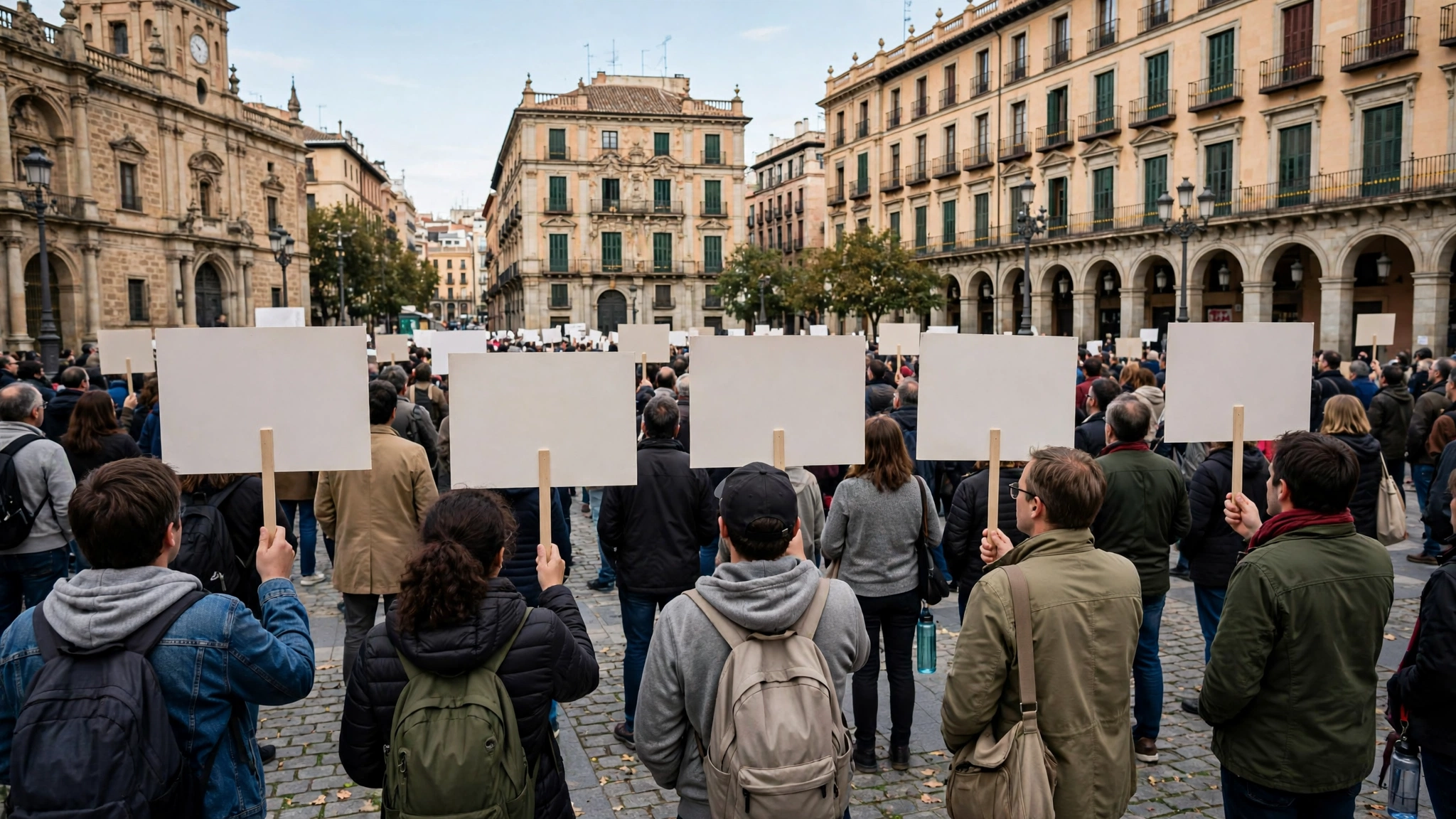
About four million Spanish workers took part in a general strike on Wednesday, unions said, in the country’s first nationwide walkout in 14 years and a protest against a housing crisis that has put home ownership out of reach for many young people.
The 24-hour strike, backed by Spain’s two largest unions, UGT and CCOO, along with tenants’ associations, disrupted public transport, ports, factories and schools across the country. It came less than three weeks before a snap general election on November 29. The last general strike was in 2012, during the euro zone debt crisis.
A rent that eats a whole paycheck
Spain has a housing deficit of about 750,000 homes, a figure the central bank expects to grow to more than a million by 2028. The average monthly rent of 1,176 euros ($1,315) is equal to about 98.7% of a young person’s average monthly salary, according to the Youth Council of Spain.
“I’m 36 years old and I still can’t move out on my own,” Madrid resident Jesus Gonzalez, who works in a hospital IT department and supports the strike, told CNN. “Rents just keep going up, house prices just keep going up, and it’s simply impossible.”
Ports and car plants shut down
Unions said participation reached 90% at ports and in the auto sector, with total stoppages at factories including Volkswagen’s plant in Navarre and SEAT’s in Barcelona. Electricity demand dropped by as much as 15.5% between 10 a.m. and 11 a.m., according to grid operator Red Electrica. Madrid’s metro said peak-hour use was down 42% from the same period last week, while Barcelona’s metro ran no trains outside peak commuting hours.
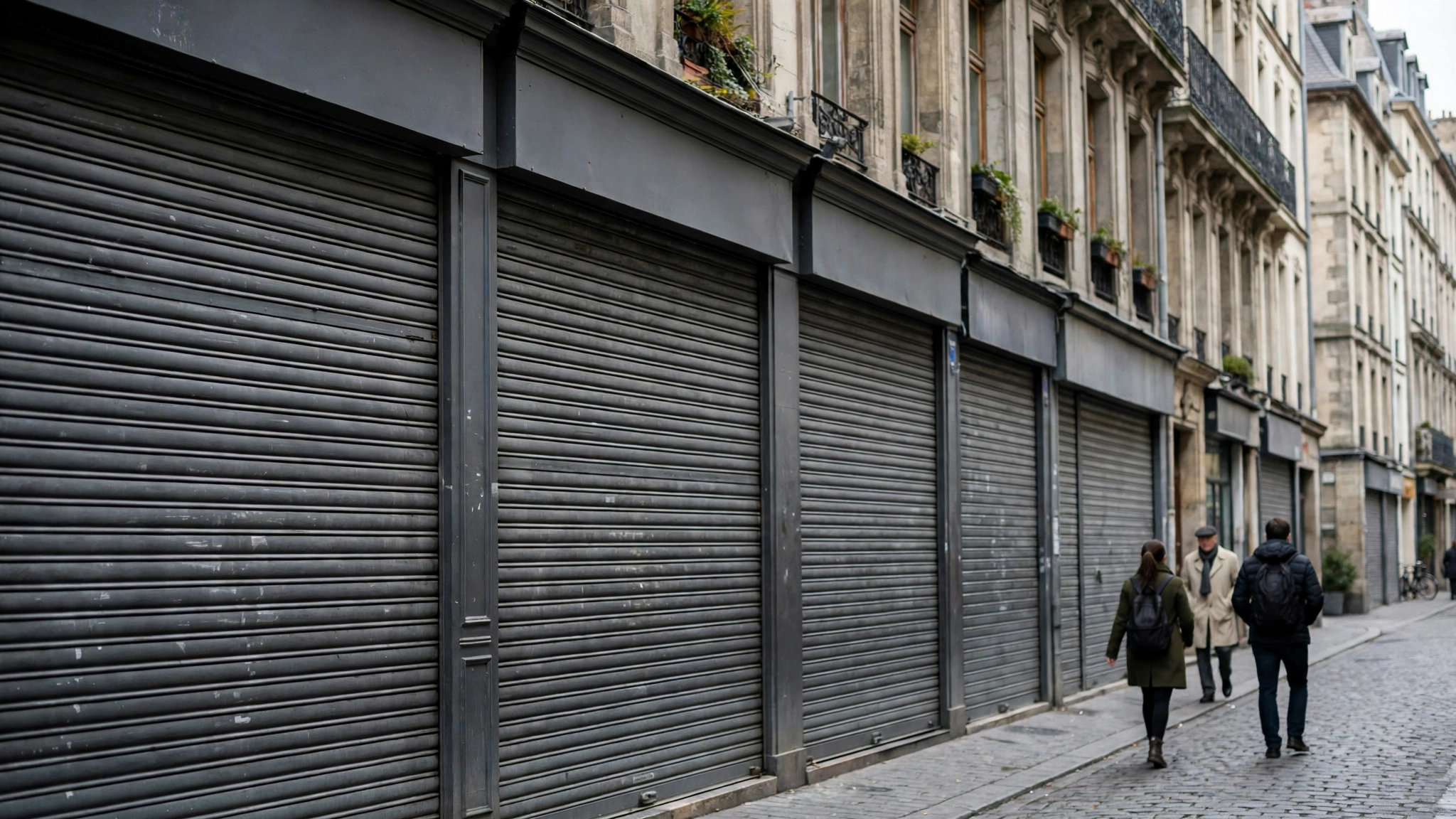
On Madrid’s Gran Via, protesters cheered as stores including Primark, H&M and Pull & Bear closed their shutters amid a heavy police presence, CNN reported. Police reported 40 arrests by midday from 476 incidents tied to the strike. Unions said they would file a criminal complaint over what they called a “disproportionate” police response, saying tear gas and batons left 20 protesters injured.
Two storms, Charles and Bruna, forced unions to suspend a march in the southern port city of Cadiz. Miguel Cardoso, chief economist at BBVA Research, estimated the strike could shave 0.1% to 0.2% off Spain’s annual gross domestic product.
An election fought over housing
The strike followed weeks of protests set off by the eviction and later death of an 87-year-old woman in Madrid. Prime Minister Pedro Sanchez called the November 29 snap election after parliament rejected government decrees aimed at curbing evictions and limiting rent pressure. Sanchez hopes voter anger over housing will help his Socialist Party, which still trails in opinion polls.
Reporting based on coverage by CNN and Reuters.