British Aid Worker With Ebola Flown to London Hospital as Congo Outbreak Passes 5,000 Deaths
A British aid worker who caught Ebola while helping with the outbreak response in the Democratic Republic of Congo has been flown to the UK and is being treated in isolation at the Royal Free Hospital in London. Health officials say the risk to the public remains low.
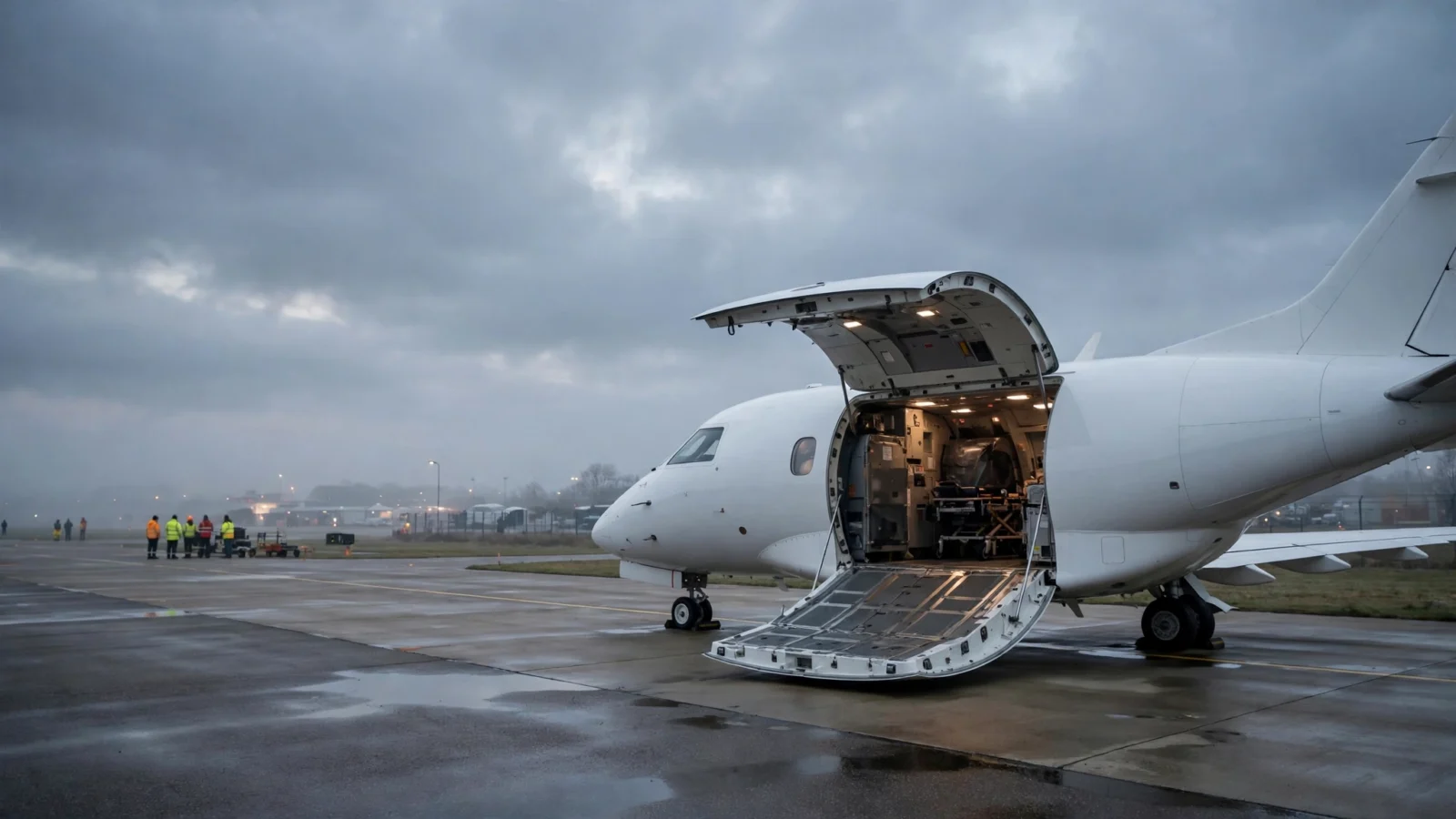
A British aid worker who tested positive for Ebola while helping with the outbreak response in the Democratic Republic of Congo has been flown to the UK for specialist treatment and is now in isolation at the Royal Free Hospital in London.
The worker landed at RAF Northolt on Thursday, November 5, and was taken to the hospital’s high consequence infectious disease unit, the BBC reported. An official document seen by Reuters before the evacuation described the man as being in stable condition. He has not been identified. A humanitarian organization had sent him to DR Congo to help respond to the outbreak.
The UK Health Security Agency (UKHSA) said the patient was safely transported back to the UK by medical evacuation flight, a specialist flight during which a person receives detailed medical care, and is now being treated in one of the UK’s high consequence infectious disease units.
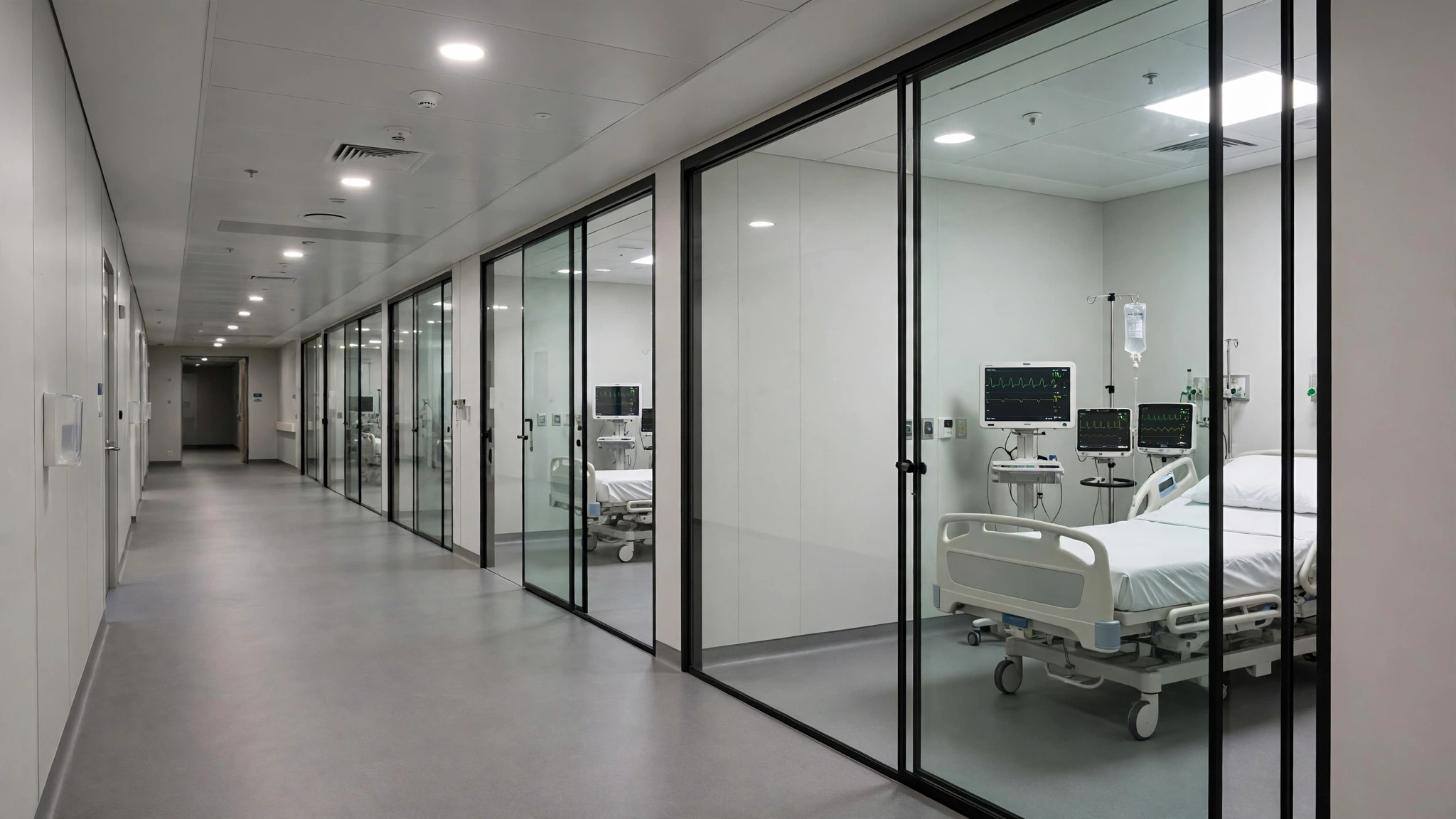
The agency said the risk to the UK public remains low and that the evacuation will not increase that risk. “The overall risk to the UK has not changed, and the patient is being treated in isolation,” the agency said, adding that people do not need to take any extra precautions.
An outbreak that has killed more than 5,000 people
The World Health Organization says the outbreak was confirmed in DR Congo and Uganda in May 2026. The current outbreak in DR Congo has had more than 10,000 confirmed cases and more than 5,000 deaths, according to the WHO. It is caused by the Bundibugyo strain of Ebola virus.
There are currently no licensed vaccines or treatments for most species of Ebola virus, including the Bundibugyo strain, the UKHSA said. Vaccines and treatments exist for a different species of the virus, and work to test promising candidates for Bundibugyo is ongoing, according to the WHO.
This is the first confirmed case involving a British national linked to the current outbreak. Only four cases of Ebola have ever been confirmed in the UK before, including three involving health workers who responded to the outbreak in West Africa between 2014 and 2015. Scottish nurse and aid worker Pauline Cafferkey contracted Ebola while working in Sierra Leone in 2014 and was diagnosed in Glasgow on December 29 that year after returning. In July, a UK resident was also evacuated following potential exposure while treating Ebola patients in DR Congo.
How Ebola spreads
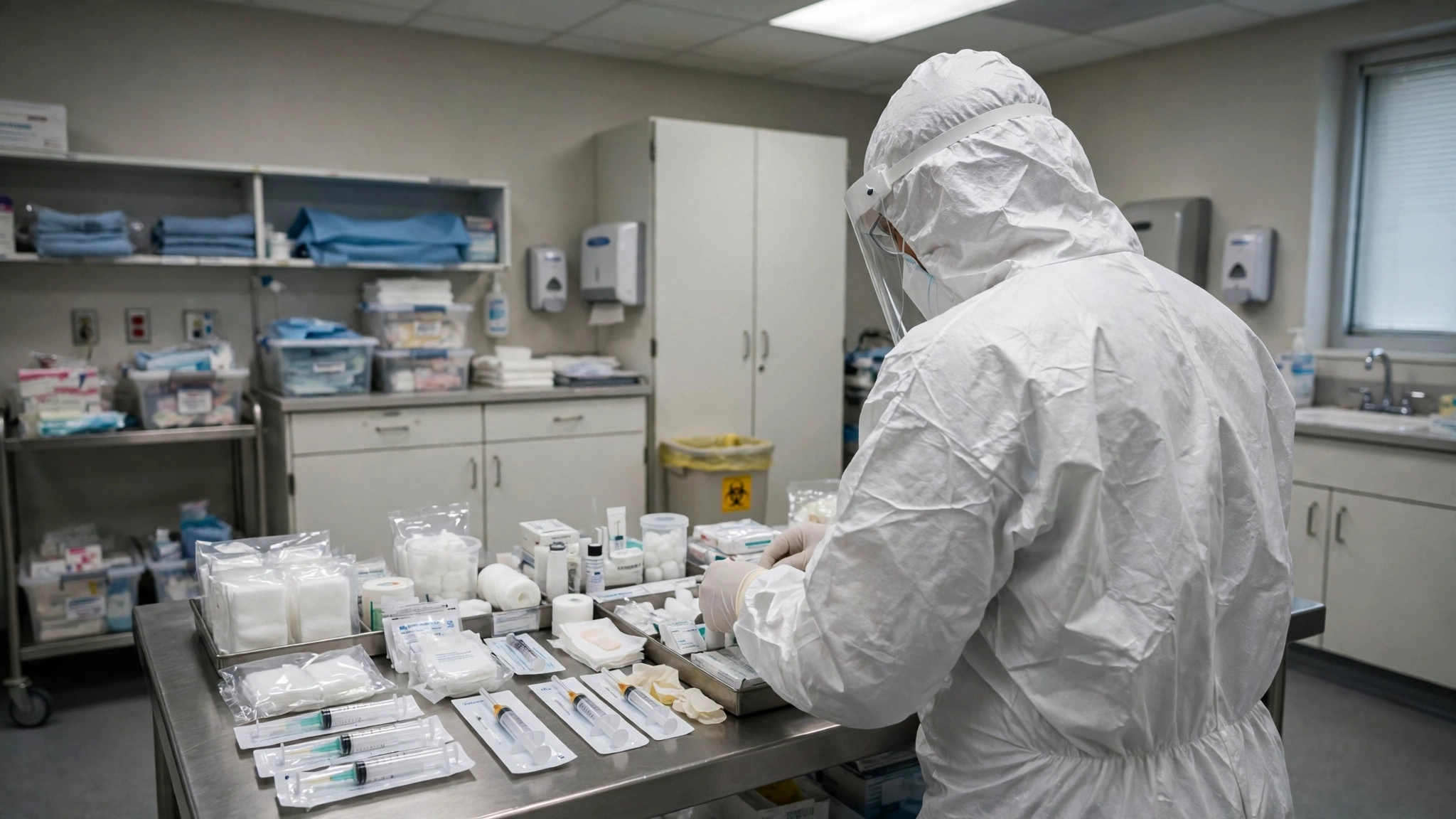
Ebola spreads through direct contact with the body fluids of a person who is sick with the virus, such as vomit, diarrhoea or blood. It is not airborne, so it cannot be caught from particles in the air, the UKHSA said.
Symptoms can appear between two and 21 days after contact with the infection, and on average after eight to 10 days. Illness usually starts suddenly with a fever, headache, tiredness, muscle pain and a sore throat. After a few days, symptoms such as nausea, diarrhoea and vomiting often follow.
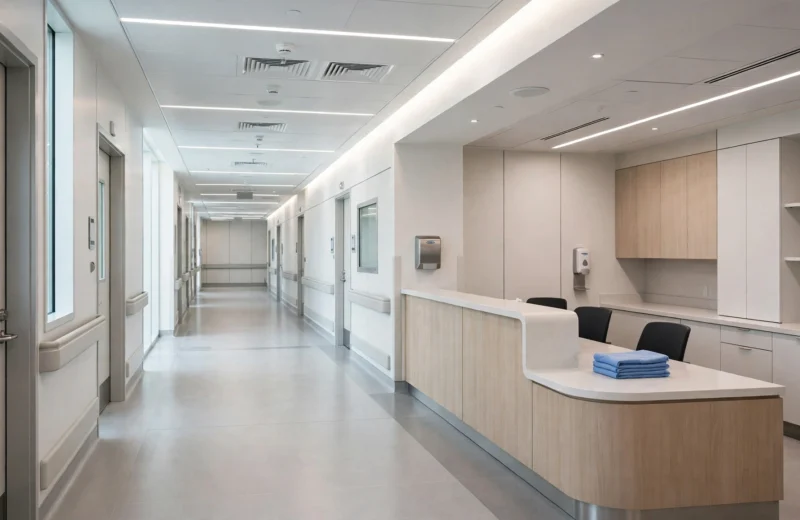
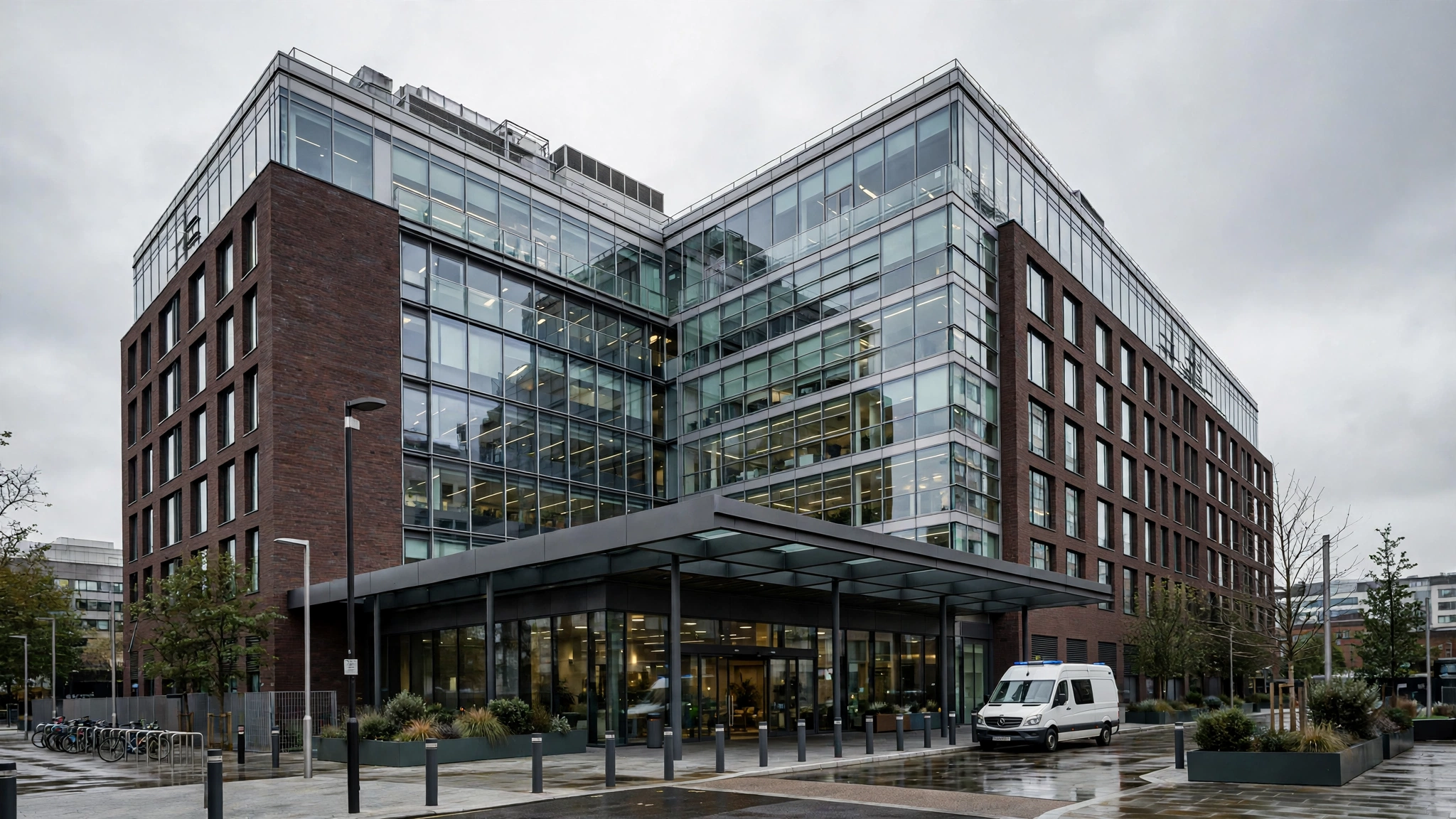
The Royal Free Hospital has specialist high-level isolation beds and some of the best facilities in the world for treating unusual infectious diseases, the UKHSA said. Staff in these units are highly trained and follow strict protocols to protect themselves, other NHS staff and the public. The Royal Free and the Royal Victoria Infirmary in Newcastle are the two UK hospitals equipped to treat Ebola.
The UKHSA said anyone who has visited DR Congo or other affected surrounding areas in the last 21 days and becomes unwell with symptoms such as fever, chills, muscle aches, vomiting, diarrhoea or a sore throat should stay at home, call NHS 111, or 999 in an emergency, and tell them about the recent travel. People should not go to a GP surgery or hospital without calling first.
Reporting based on coverage by the UK Health Security Agency and the BBC.