Ohioans Take the Data-Center Fight to the Ballot as at Least 18 Communities Vote Nov. 3
About 7 in 10 Americans oppose data centers near them, and Ohio has become the front line: at least 18 municipalities and townships vote Nov. 3 on bans and moratoriums, while a statewide ban initiative is being prepared for next year.
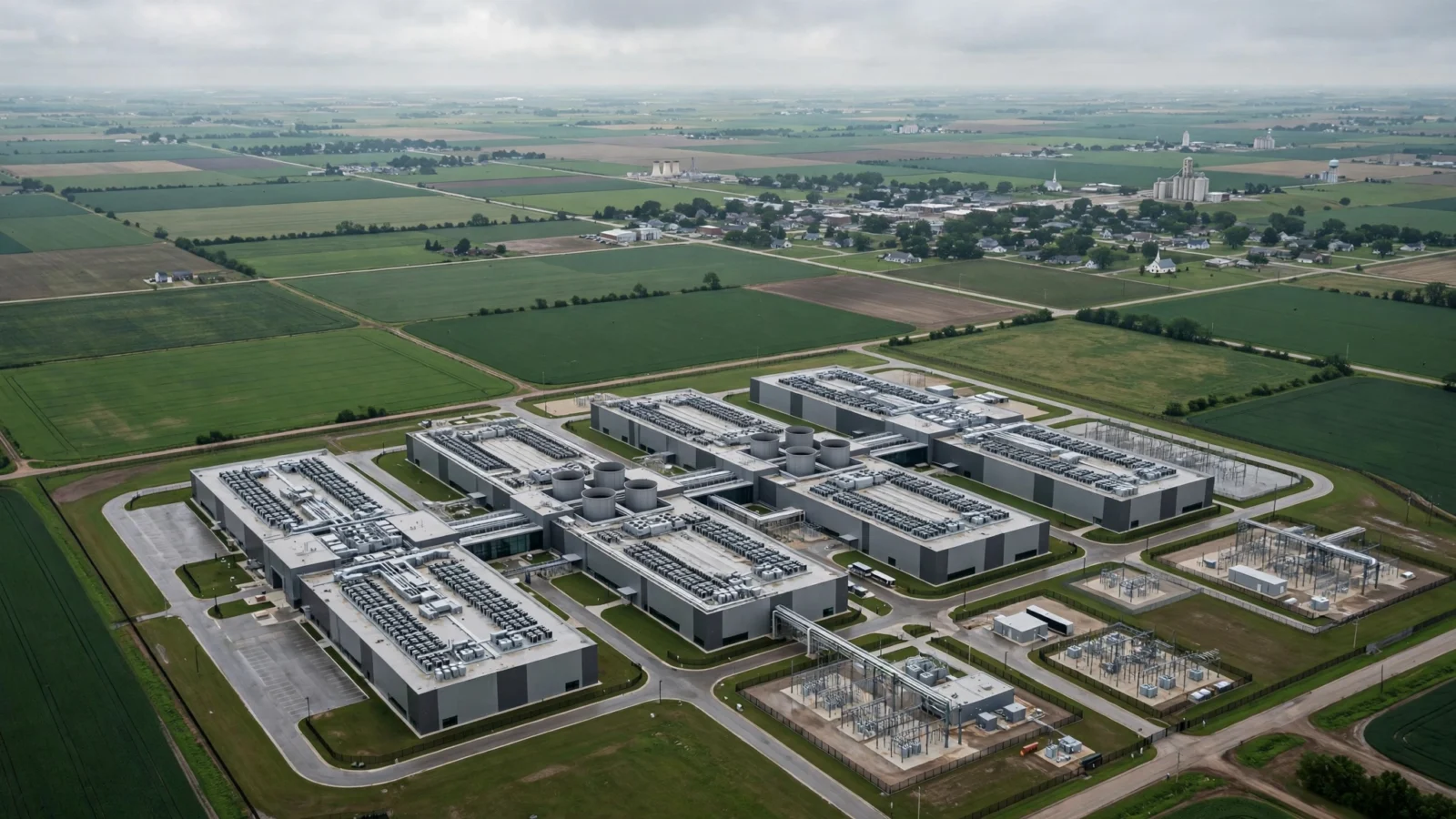
Ohio voters will decide at least 18 local measures on data centers on Nov. 3, the Columbus Dispatch reported, as backlash against the sprawling AI-enabling structures moves from town halls to the ballot box across one of the nation’s top data-center states.
About seven in 10 Americans don’t want data centers built near them, according to a recent Gallup poll, with about half strongly opposed — even as an estimated one in six people worldwide now regularly use AI for personal and workplace information. Ohio, one of the nation’s top five states for operating data centers according to a Pew Research Center study, has become the front line of the fight.
The investment shows no sign of slowing: plans are underway for a roughly half-trillion-dollar complex in southern Ohio that would be the biggest in the country, complete with its own natural gas power generation.
Eighteen votes, one statewide push
On Nov. 3, at least 18 municipalities and townships across Ohio will vote on data-center measures, and the group Conserve Ohio is finalizing a ballot initiative for a statewide ban on large data centers next year. The issue has gone national: many are watching the Ohio race between Republican Sen. Jon Husted and former Democratic senator Sherrod Brown as a referendum on the industry, with Brown working to portray Husted as the face of it.
The industry has pushed back with a concerted public effort. “Ohio’s data centers are the heartbeat of our modern lives, connecting people, enabling essential services like healthcare, education, and public safety, and driving innovations in all sectors of our economy,” says Connected Ohio, an organization founded by the Data Center Coalition. The Ohio fight is part of a broader national backlash — voters in seven states will decide 34 data center ballot measures this November.
The school payday at the center of one fight
In Ashville, a Pickaway County village of 5,000, EdgeConneX wants to build an 800-megawatt data center on 195 acres. A referendum aims to affirm or reverse the village council’s terms guiding negotiations with the company over two data center buildings and a natural gas power plant to run them, pending validation by the Pickaway County Board of Elections.
Village administrator Bert Cline doesn’t understand the opposition. “I honestly believe they think if they vote it down, it’s going to go away,” Cline said. “But [the developers] have been working every day on this. Just the land was $15 million. And buildings are being erected. Do you think they’re going to just walk away?”
The stakes are tangible: Teays Valley Local Schools is guaranteed $77.4 million upfront upon occupancy of the data center building, another $3 million in property taxes goes to the village, and the schools get $5 million more for operations over the first three years — all of it contingent on Ohio Power Siting Board approval of the power plant.
Elsewhere in central Ohio, Granville, Pataskala and Sunbury are considering charter amendments to ban data centers larger than 25 megawatts, Grove City adopted a 12-month moratorium and is proposing restrictions on businesses using more than 20 megawatts or 500,000 gallons of water a day, and Urbana is voting on a ban for data centers using more than 7.5 megawatts of power.
Reporting based on coverage by the Columbus Dispatch.