COP31 Climate Talks Open Monday in Antalya Without the United States
Delegates from more than 190 countries meet in Antalya, Turkey, from November 9 to 20 for the COP31 climate talks. Turkey hosts and Australia leads the negotiations, while the United States stays away after leaving the Paris agreement.
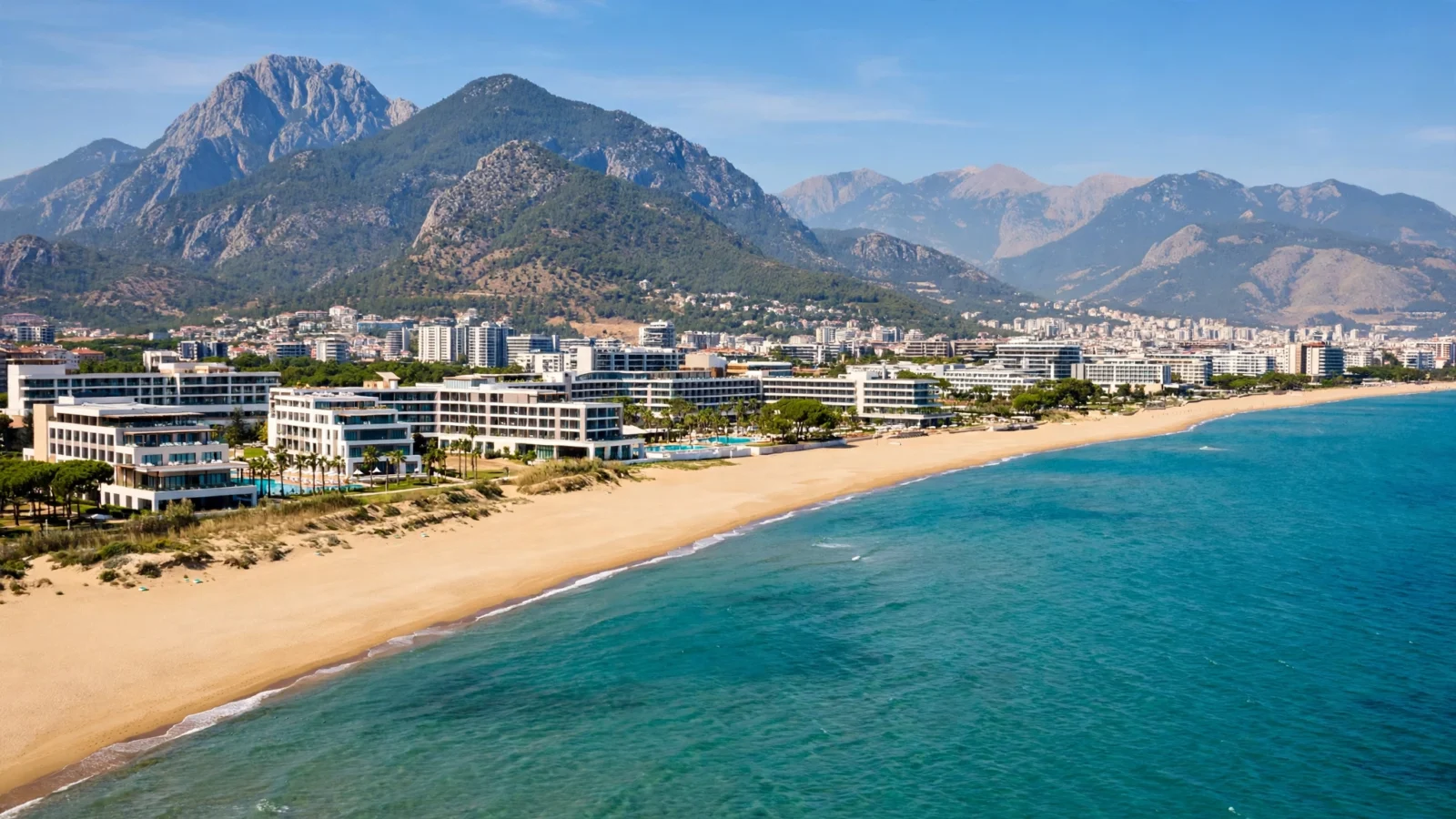
Delegates from more than 190 countries gather in Antalya, Turkey, on Monday for two weeks of United Nations climate talks, known as COP31, with the United States staying away for the first time since it formally left the Paris climate agreement at the start of this year.
The summit runs from November 9 to 20 on Turkey’s Mediterranean coast. It arrives at a point when the central goal of the Paris agreement, holding warming to 1.5 degrees Celsius above pre-industrial levels, has already been breached, according to the United Nations. The UN argues that fast cuts in greenhouse gas emissions could still limit how far temperatures overshoot the target and allow a return to lower temperatures by the end of the century.

The meeting has an unusual arrangement at the top. Turkey is hosting the talks and leads the action agenda, a set of voluntary efforts that are not legally binding. Australia will preside over the formal negotiations, under a compromise reached after both countries competed for the presidency. Chris Bowen, Australia’s climate minister, is president of the negotiations.
Nearly all of the 196 original signatories of the 2015 Paris agreement are expected to take part. The one exception is the United States, whose president, Donald Trump, withdrew the country from the agreement. Several members of the United States Congress may still attend, along with businesspeople and civil society groups, so there will be American representation even though the White House itself is absent.
Electrification and finance top the agenda
One of the main aims put forward by the Turkish presidency is a voluntary goal to raise electricity’s share of global final energy consumption to 35 percent by 2035, up from about 23 percent now. The case for electrification rests on the fact that electric technology uses far less primary energy than burning fuel, and Professor Jan Rosenow of the University of Oxford, who has studied the shift, says a full move to electric technology could cut the amount of primary energy the world uses by about half.
Two roadmaps drawn up by Brazil will also be central to the talks. One sets out a path for moving away from fossil fuels, and the other deals with halting deforestation. It was only in 2023, at COP28, that a final summit agreement addressed fossil fuels directly for the first time, and even then it contained a resolution to move away from them without a deadline or a plan. This year the issue will be handled through a non-binding roadmap instead.
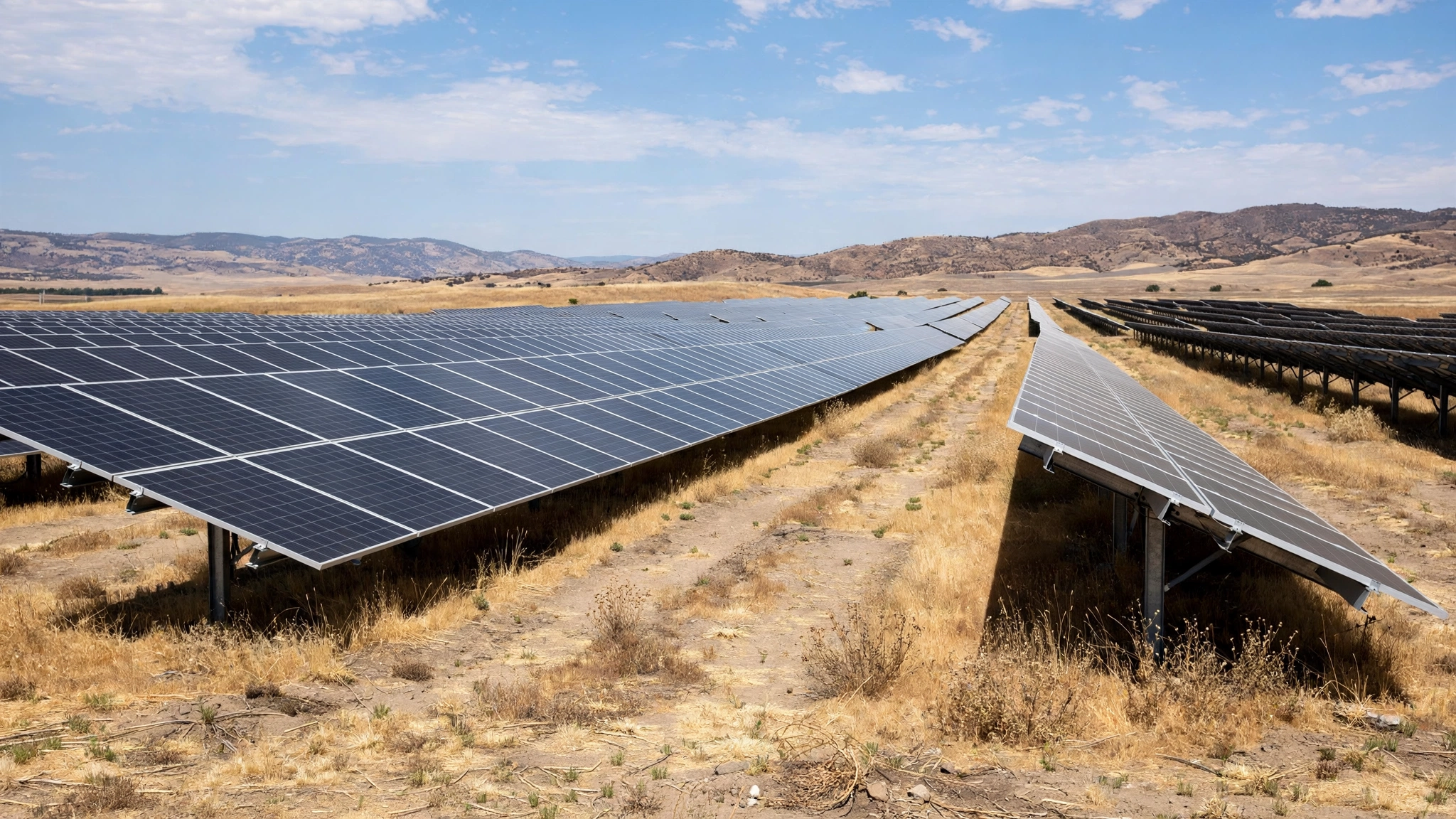
Climate finance for developing countries is another outcome delegates will watch closely. Many poorer nations are struggling to cope with floods, drought and other effects of warming, and lack the means to adapt roads, farms and water systems. Nepal, after a disaster linked to flash flooding, has been granted access to the global fund for loss and damage. Rich countries have also been cutting overseas aid while rising interest rates have added to the debt loads of developing nations.
The World Meteorological Organization will release its flagship State of the Climate update for 2026 on the summit’s opening day. A United Nations review of national climate plans, released on October 27, found that 154 countries have lodged targets for 2035 with the UN, covering 71 percent of global emissions.
Turkey’s coal use in focus
The host country itself illustrates the tension at the heart of the talks. Last year coal was Turkey’s largest source of electricity, generating 34 percent of its power and making Turkey Europe’s biggest coal-fired electricity generator, according to the energy think tank Ember.
Villagers living beside lignite mines near Ikizkoy, a few hundred kilometres west of Antalya, have asked world leaders to leave the conference venue and see the damage decades of mining have caused to forests, olive groves and farmland. “They should come here, those heads of state. They should come not to Antalya but to Akbelen, to Ikizkoy,” said Nejla Isik, an elected local official, in an interview with Reuters.
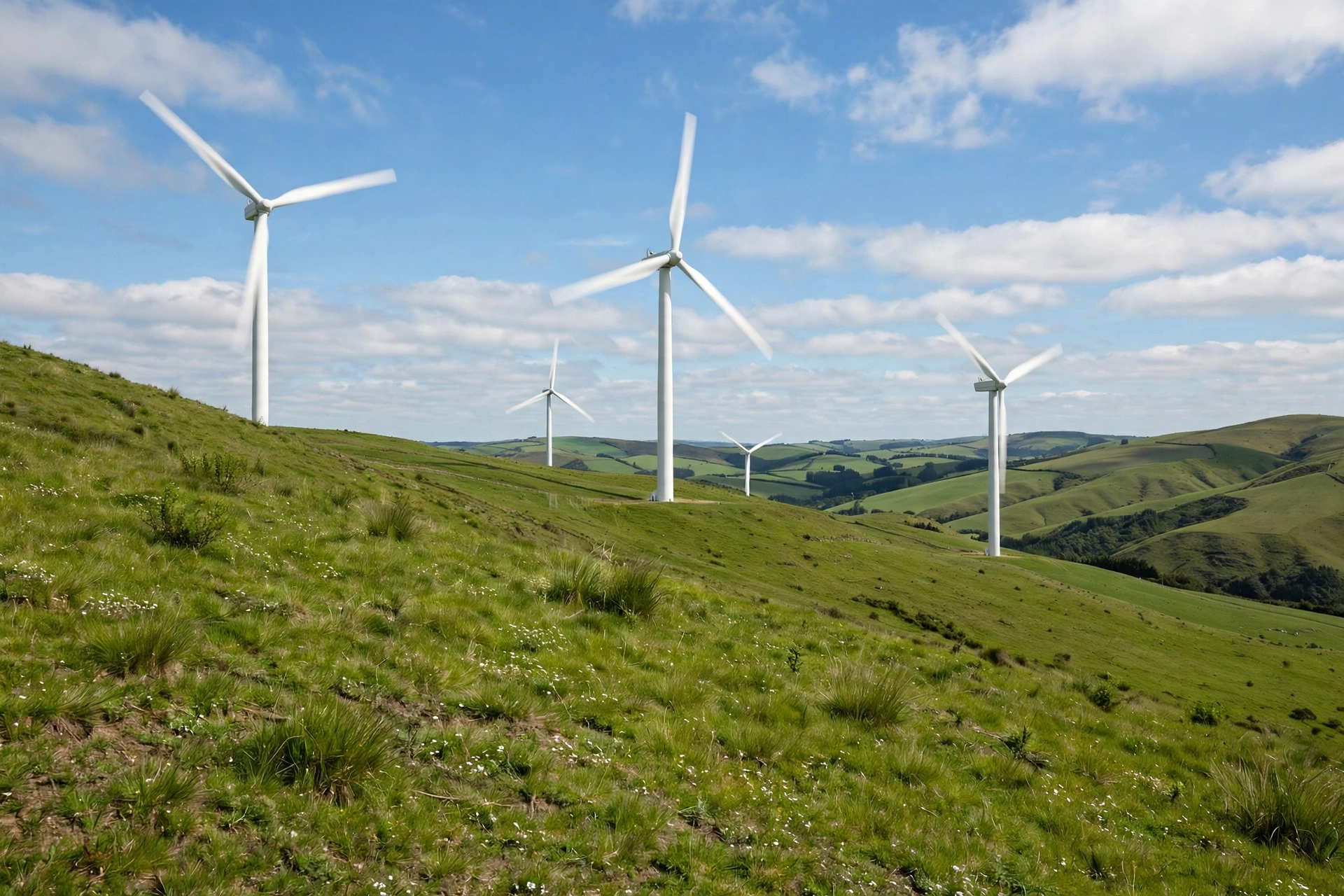
Energy Minister Alparslan Bayraktar told foreign media on Thursday that Turkey was working on a fair shift to cleaner energy, but that it was difficult because the mines employ thousands of people. He said nuclear power offered the most workable alternative and that Ankara aims for 10 gigawatts of nuclear generation capacity by 2040.
Brazilian President Luiz Inacio Lula da Silva is expected to attend the summit, his first international visit since winning re-election. Delegates also hope to settle a dispute over climate science that has troubled recent meetings of the Intergovernmental Panel on Climate Change, and to flesh out a mechanism for a fair transition so workers who depend on fossil fuels can move to other work.
Reporting based on coverage by The Guardian and Reuters.