New Zealand Election Too Close to Call as Labour Edges National by 3,650 Votes
New Zealand's election ended without a winner: Labour narrowly won the party vote, National won more seats, and the final result depends on special votes not due until November 27.
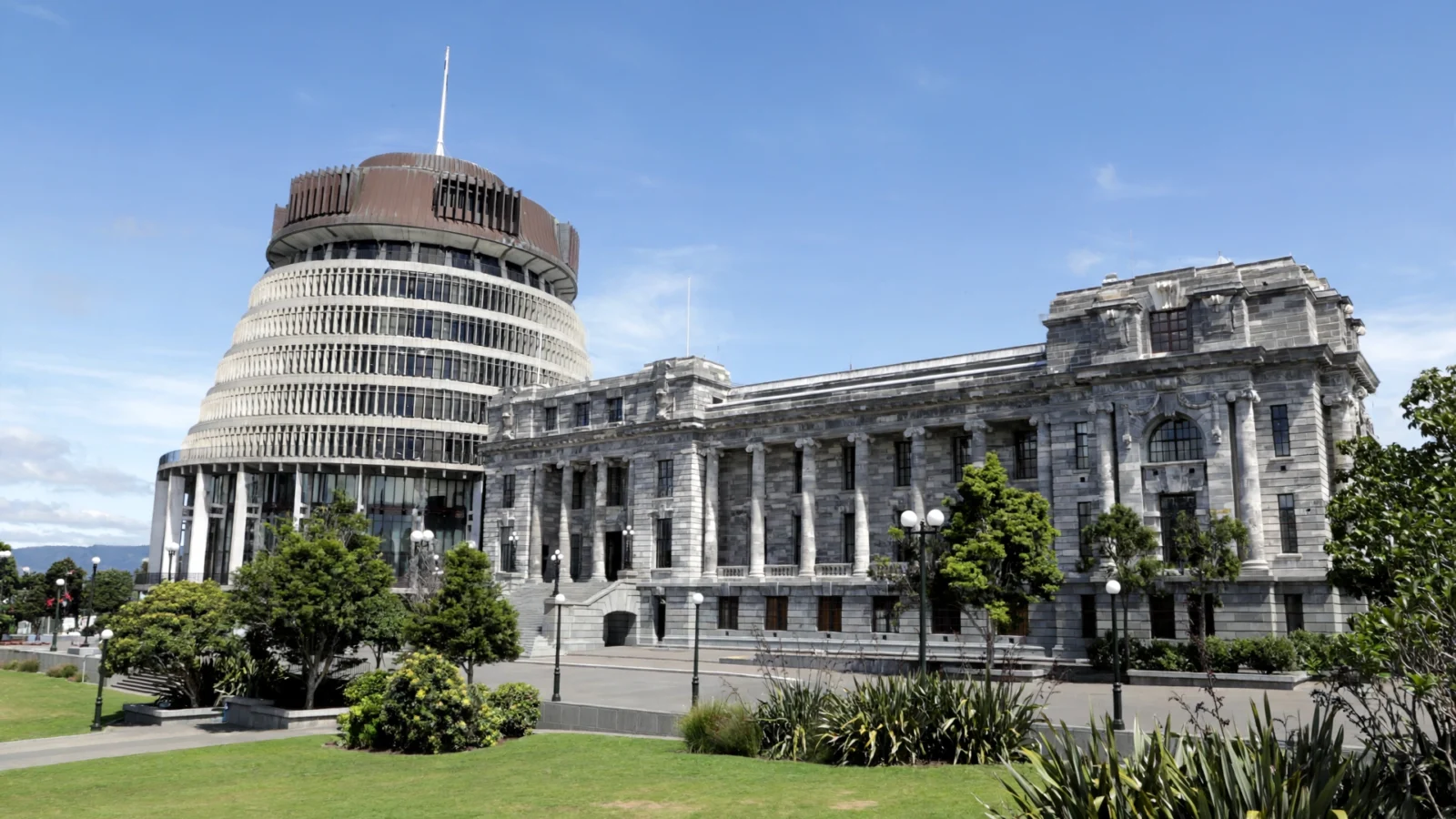
New Zealand’s general election ended on Saturday without a winner. Labour narrowly won the party vote, National won more seats, and neither side will know who forms the next government until the official count, due November 27.
The Electoral Commission’s preliminary count, with 100 percent of voting places counted, put Labour on 710,330 party votes, or 29.36 percent, against National’s 706,680 votes, or 29.21 percent. The gap was 3,650 votes.
The Greens took 13.3 percent of the party vote, ACT 10.9 percent, New Zealand First 9.8 percent and the Opportunity Party 6.0 percent. Te Pati Maori won 0.6 percent of the party vote but leads in five of the seven Maori electorates.
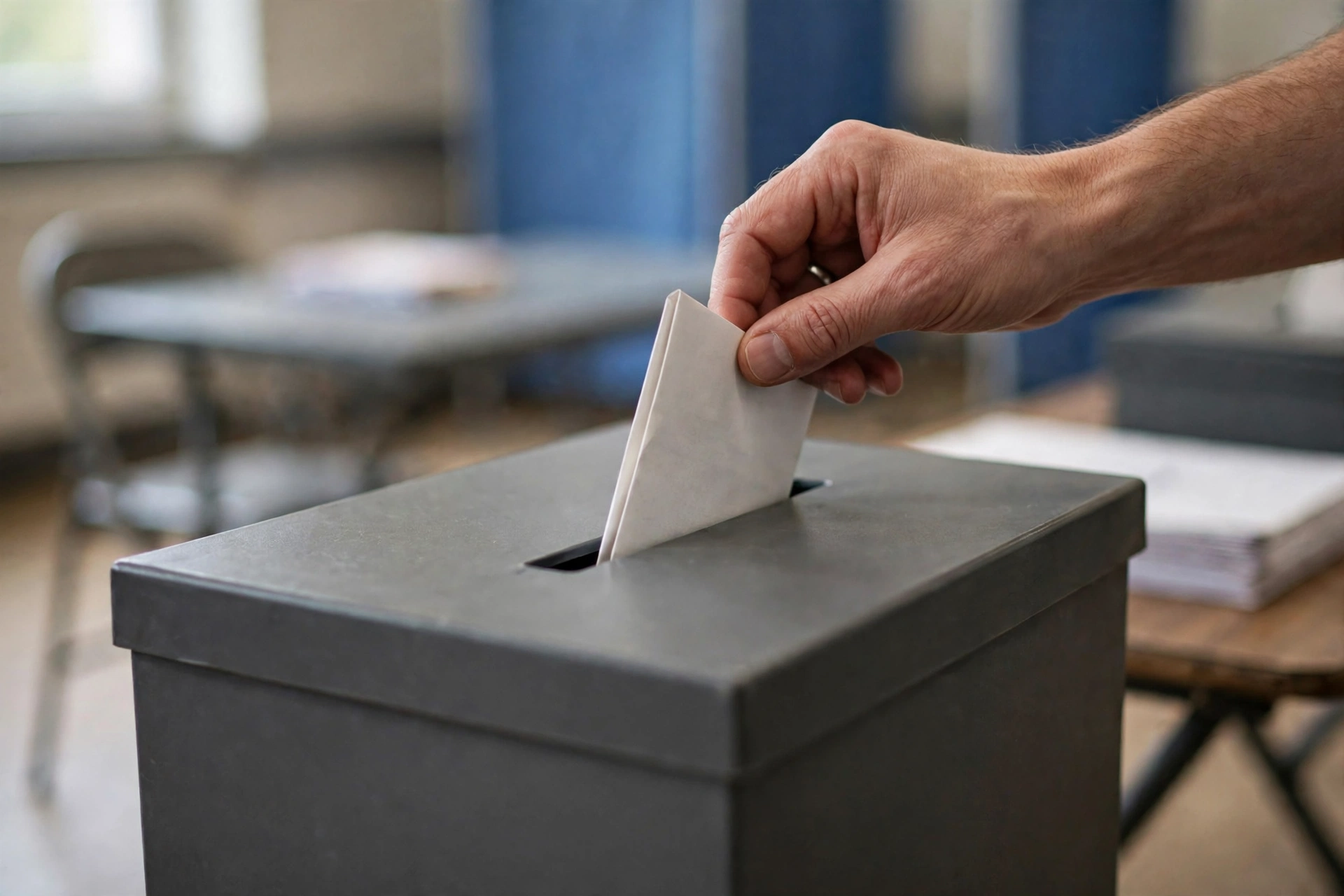
New Zealand uses mixed member proportional representation, known as MMP. Voters cast one vote for a party and one for the candidate in their local electorate, and the party vote largely decides each party’s share of seats.
The seat count tells a different story. National leads in 42 electorates, more seats than its share of the party vote earns it, so it gets no list MPs and six of its electorate seats become overhang seats. With Te Pati Maori adding five more, Parliament will have 131 seats, the largest in New Zealand history, and 66 are needed to govern.
On election-night numbers, National has 42 seats, ACT 13 and New Zealand First 12, a total of 67. Labour has 36, the Greens 16 and Te Pati Maori 5, a total of 57. The Opportunity Party’s seven seats would take the left bloc to 64, two short of a majority.
Both leaders refuse to concede
Speaking to supporters in Auckland around midnight, National leader Christopher Luxon said, “We have a pathway to forming the next Government, but it is too close to call.” He said the government would stay in caretaker mode until the final count, with talks to begin once the results are tallied.
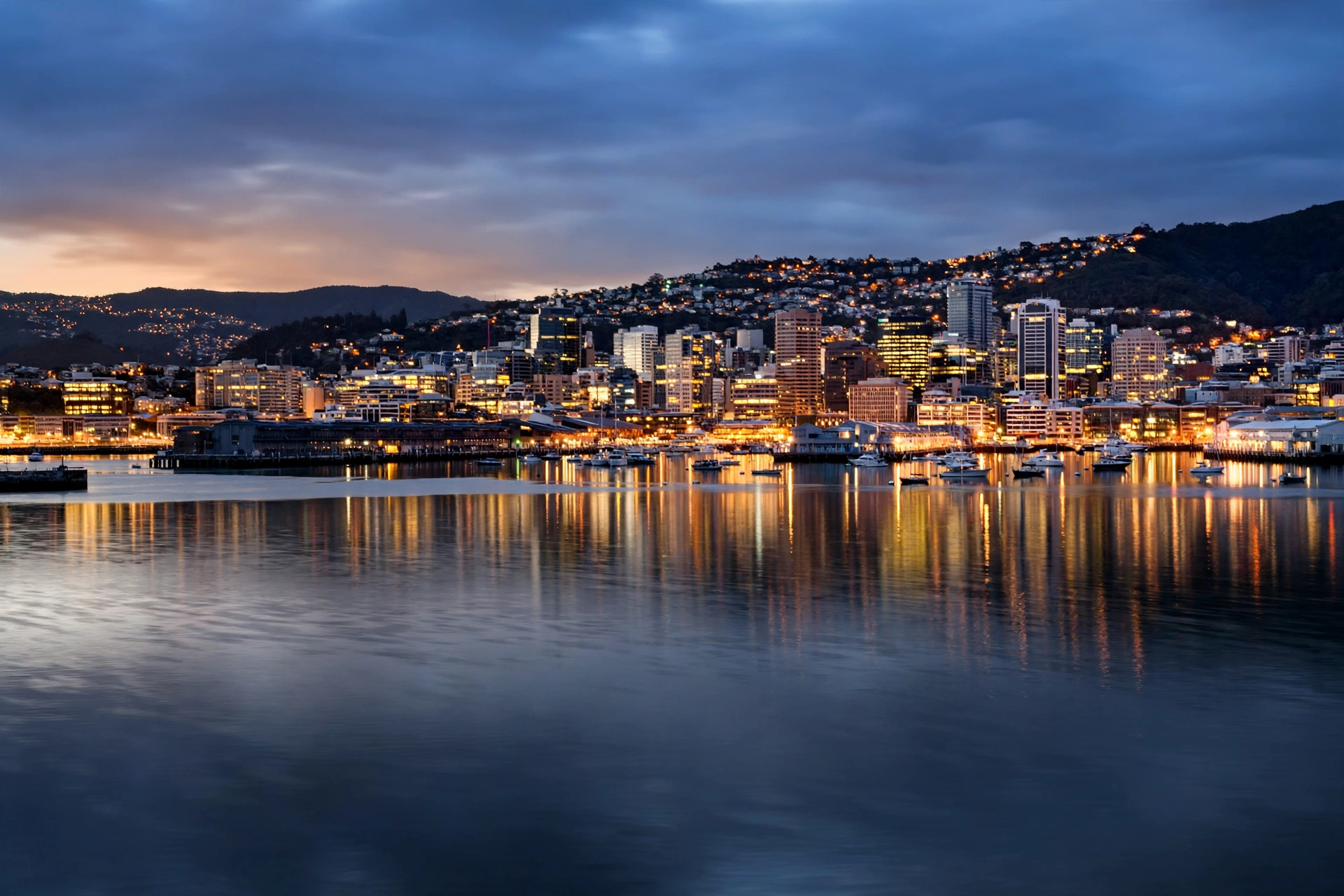
In Upper Hutt, Labour leader Chris Hipkins told supporters, “Every vote matters, and every vote must now be counted.” He added: “Tonight, New Zealand has spoken. It may take us a little bit longer to figure out exactly what it is that you’ve said.” He closed with: “Either way, the Labour Party is not going anywhere.”
Special votes will decide the outcome
The result now rests on special votes, cast by people overseas, people on the unpublished roll and people voting outside their own electorate. RNZ reported that the Electoral Commission expects about 700,000 of them, and that special votes have traditionally favoured the left.
In 2023, the final count cost National two MPs and pushed National and ACT below a majority, forcing them to bring in New Zealand First. If National loses even two seats on the specials this time, the Opportunity Party becomes the party both blocs need.
That puts a spotlight on Luxon’s repeated statements during the campaign that he would not work with the Opportunity Party. ACT leader David Seymour said he had “always been a little confused by” that position, adding, “Frankly our job is to lock Labour out of government.” Opportunity leader Qiulae Wong said any deal “would entirely depend on whether they meet our bottom lines.”
The night also rewrote several records. Labour and National together won under 60 percent of the party vote, below the previous low of 62 percent in 2002, and minor parties won more than 40 percent for the first time. National became the first major party to win no list seats, and Wong is the first Asian leader of a party in Parliament. Turnout was 74.6 percent of enrolled voters, on track to be the second lowest in the country’s history, according to RNZ.
The cost to National’s front bench is also clear. Finance Minister Nicola Willis, Paul Goldsmith and Speaker Gerry Brownlee are set to leave Parliament because National has no list seats. Goldsmith, who lost the Epsom electorate to Seymour, told RNZ: “Politics is a rough business, and we’ve given it our best shot, but ultimately it’s the people who get to choose.”
The Electoral Commission aims to publish the official results on Friday, November 27. Until then, the current ministers stay in office as caretakers.
Reporting based on coverage by News Wire, Okay News and the New Zealand Electoral Commission.