Trump Says Iran War Is ‘Effectively Over’ Militarily and Will Keep Blockade in Place
President Donald Trump said Monday the Iran war is 'effectively over' militarily and that the United States will keep its naval blockade and a new overland pressure campaign in place instead of resuming large-scale strikes, after talks with Qatar's prime minister.
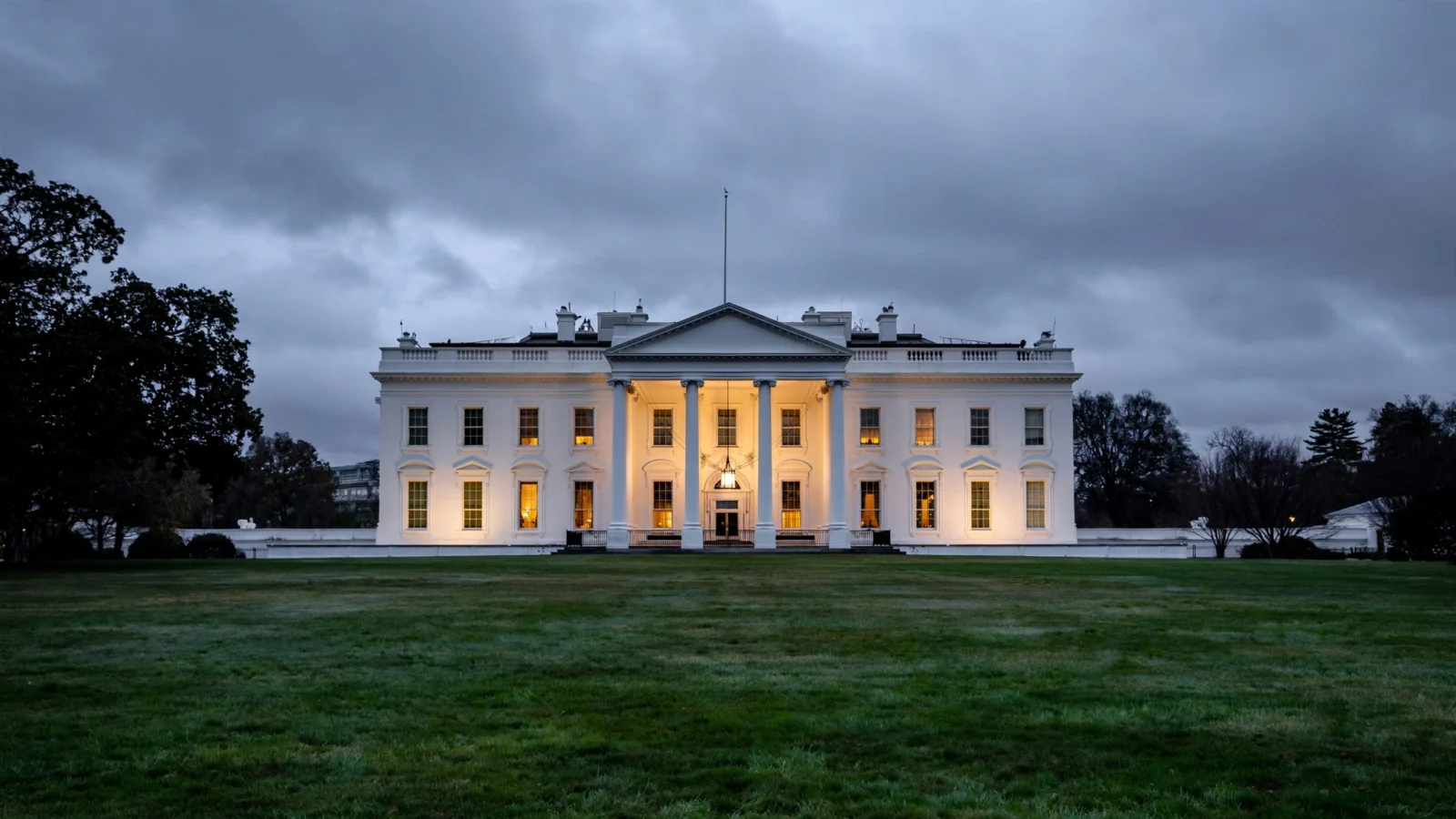
WASHINGTON — President Donald Trump said Monday that the Iran war is “effectively over” militarily and that the United States will hold to the status quo, a naval blockade of Iran plus a new campaign to cut off its overland trade, rather than resume large-scale strikes.
“Iran, militarily, is effectively over. We’re just keeping it the status quo,” Trump said at a surprise news conference at the White House, held with UFC chief executive Dana White. Trump said he reached the decision after a conversation with Qatari Prime Minister Sheikh Mohammed bin Abdulrahman Al Thani, who visited Washington on Monday after a trip to Tehran last week.
Trump described the blockade as “the greatest naval blockade in the history of our country” and said Qatar, Saudi Arabia, the United Arab Emirates, Bahrain, Kuwait and other countries in the region would prefer that it stay in place. He also pointed to Operation Iron Gate, a newly announced U.S. effort to sever Iran’s land connections to other countries. Trump called Iran “a failing country” and said it had “301% inflation,” while insisting that Tehran would never be allowed to obtain a nuclear weapon.

A third course after the midterms
Trump said in the lead-up to the midterm elections that he faced a “big decision” on whether to resume large-scale strikes or pursue a peace agreement. With Republicans losing ground in those elections, a defeat Vice President JD Vance blamed on the war in a Nov. 4 social media post, Trump has moved to a third course: neither a new offensive nor a deal, but continued pressure. “The reason we lost is the war,” Vance wrote.
In an interview with CBS’ “60 Minutes” taped Nov. 6, Trump said he saw no reason to strike Iran again, adding that the nuclear material at Pickaxe Mountain was trapped under thousands of tons of rock. He had warned as recently as last week that the United States could bomb the site, where Iran’s enriched uranium is believed to be buried. Trump had said earlier that renewed strikes were “highly unlikely” if talks made progress.
Secretary of State Marco Rubio told reporters Nov. 8 that “the U.S. acts defensively” and that the United States would act if its forces in the region were threatened. Rubio also said talks had not been very productive and called Iran’s demands “outrageous and ridiculous and really not realistic.” Iranian President Masoud Pezeshkian said Monday that Tehran was prepared to negotiate an end to what he called a prolonged state of neither war nor peace, while insisting Iran would not surrender to coercion.
What the status quo costs
The war, which began Feb. 28 and has lasted more than eight months, has cost the U.S. military more than $47 billion as of Oct. 16, according to the latest estimate from the Pentagon. Roughly 50,000 troops have been deployed to U.S. Central Command’s area of responsibility, and at least 23 U.S. service members have died in the Middle East, with another 865 wounded, according to the U.S. military’s official casualty database.
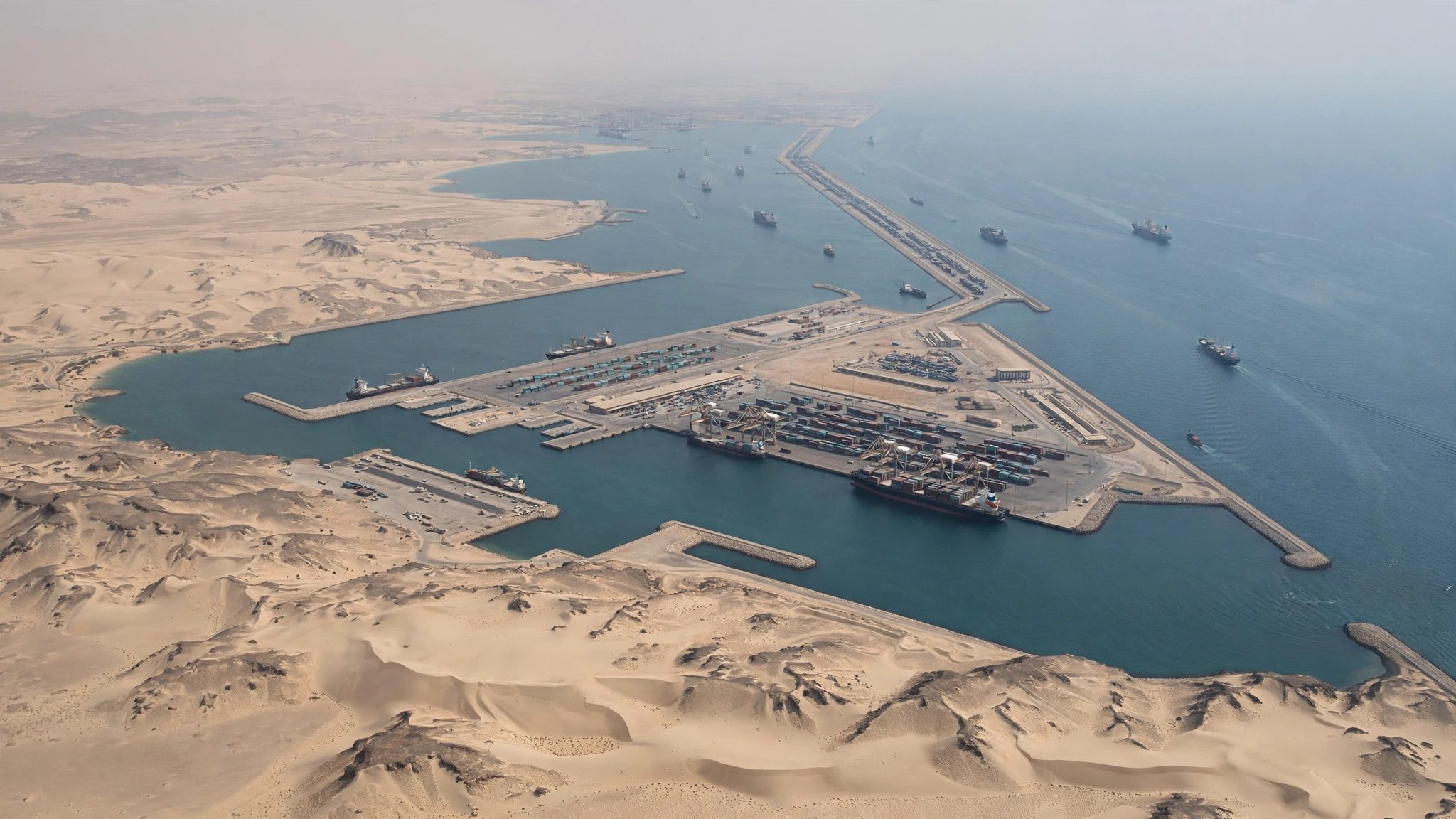
Trump said U.S. forces in the region remain “fully locked and loaded” if conditions change. “We don’t think there’s going to be any reason to use it,” he said. “However, it’s going very well. You know, we haven’t lost a soldier in six months.” When a reporter asked why he would not simply declare the conflict over, Trump said it was “because we have some great allies there, and we have to make sure they’re not hurt.” He added that Iran must never obtain a nuclear weapon and called that a non-negotiable point.
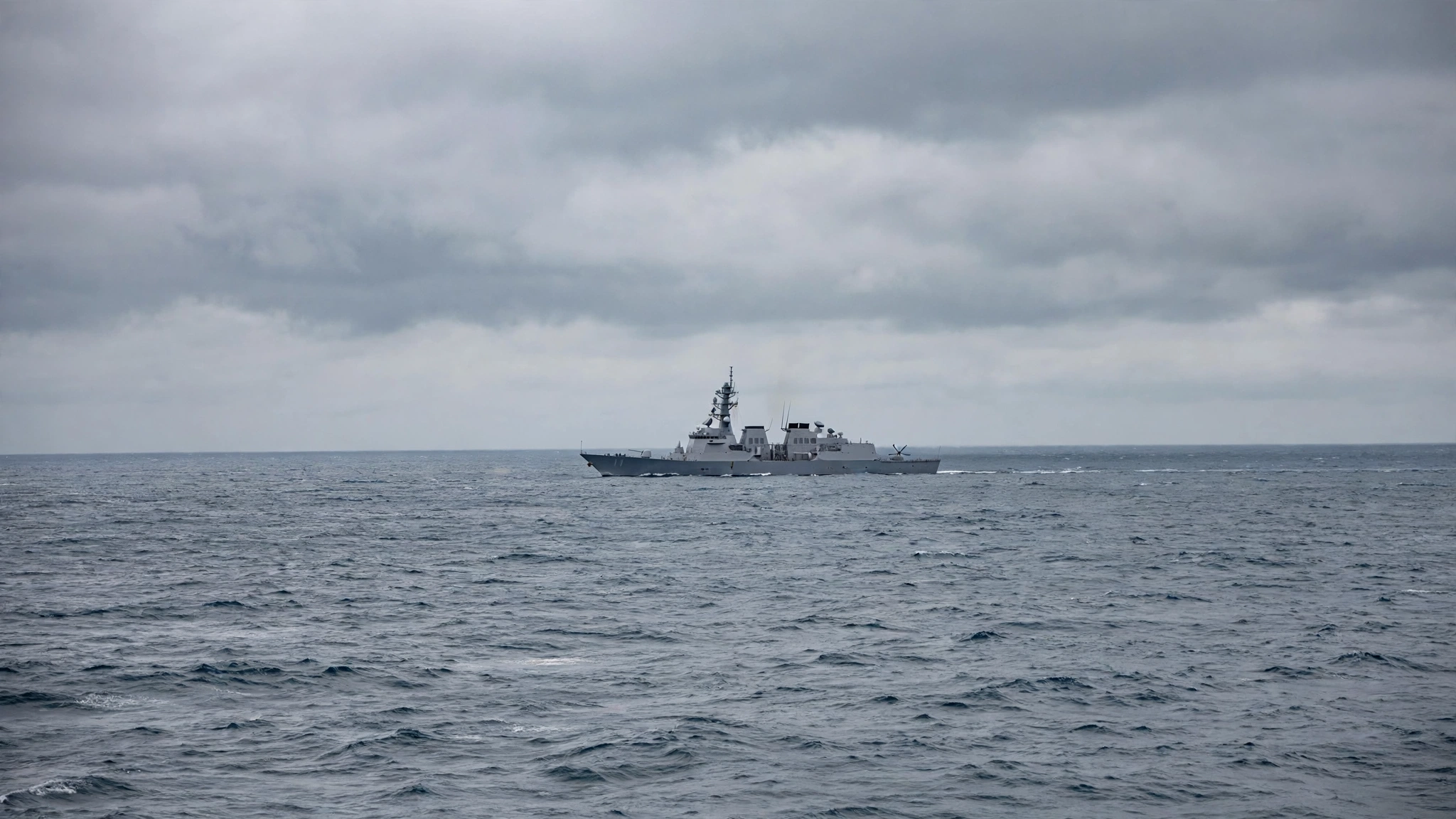
Mediators have discussed a two-day proposal under which the United States would lift its blockade and some sanctions and halt bombing, while Tehran would stop its blockade of the Strait of Hormuz, with talks on its nuclear program to follow. The proposal has not been accepted by Washington, and Rubio said negotiators were not close to a breakthrough. The conflict remains caught between war and peace, with intermittent strikes and off-and-on mediation: the administration said recent U.S. strikes on Qeshm Island were meant to stop Iranian surface-to-air missiles from threatening U.S. assets, while Iranian state television reported that Iranian forces had stopped four oil tankers in the strait over the past 24 hours.
The shift in tone comes as the House prepares to vote this week on articles of impeachment against Defense Secretary Pete Hegseth, who has defended the war as a bid to keep a nuclear weapon out of Iran’s hands. Trump said he would stand by Hegseth even if he is impeached. “I’ll stand by him,” Trump said. “He won two wars.”
Reporting based on coverage by USA Today and the New York Post.