2026 Set to Rank Among Four Warmest Years as El Niño Raises Health Risks, UN Weather Agency Says
The World Meteorological Organization said 2026 will end up among the four warmest years on record, with global temperatures 1.47 degrees Celsius above pre-industrial levels through September. A strengthening El Nino is expected to bring more heat, floods and drought into 2027, and the World Health Organization has classed the expected health effects as a health emergency.
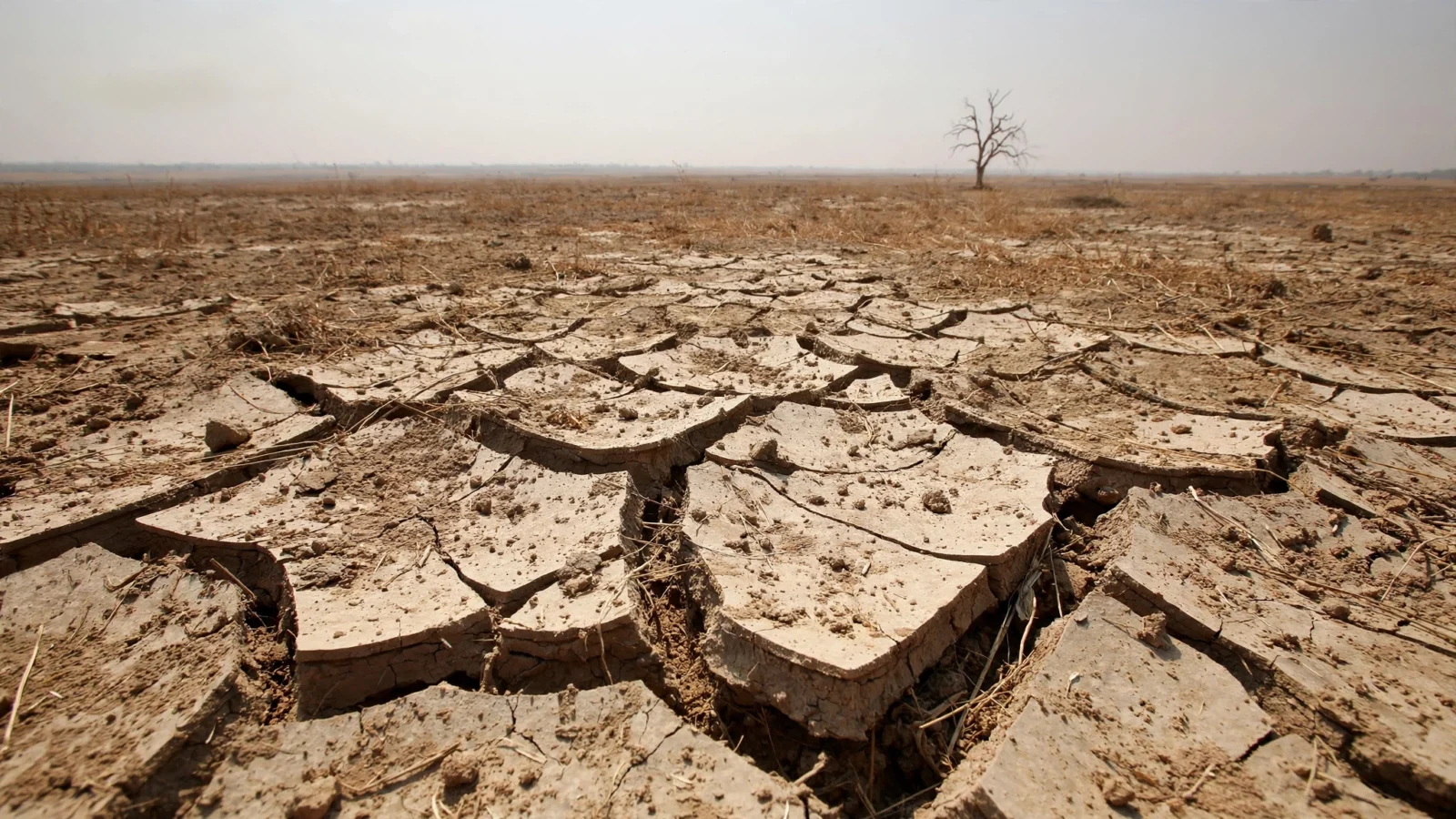
The year 2026 will end up among the four warmest years on record, the World Meteorological Organization said on Monday, as a strengthening El Niño threatens more heat, floods and drought into 2027. The agency said the World Health Organization has classed the expected health effects as a health emergency.
The WMO released its State of the Climate Update 2026 on Monday as the COP31 climate conference opened in Antalya, Türkiye. Global temperatures from January to September averaged about 1.47 degrees Celsius above the 1850-1900 average, the agency said. The past 12 years have been the warmest on record, and the years 2023 through 2026 are expected to take the four highest positions.
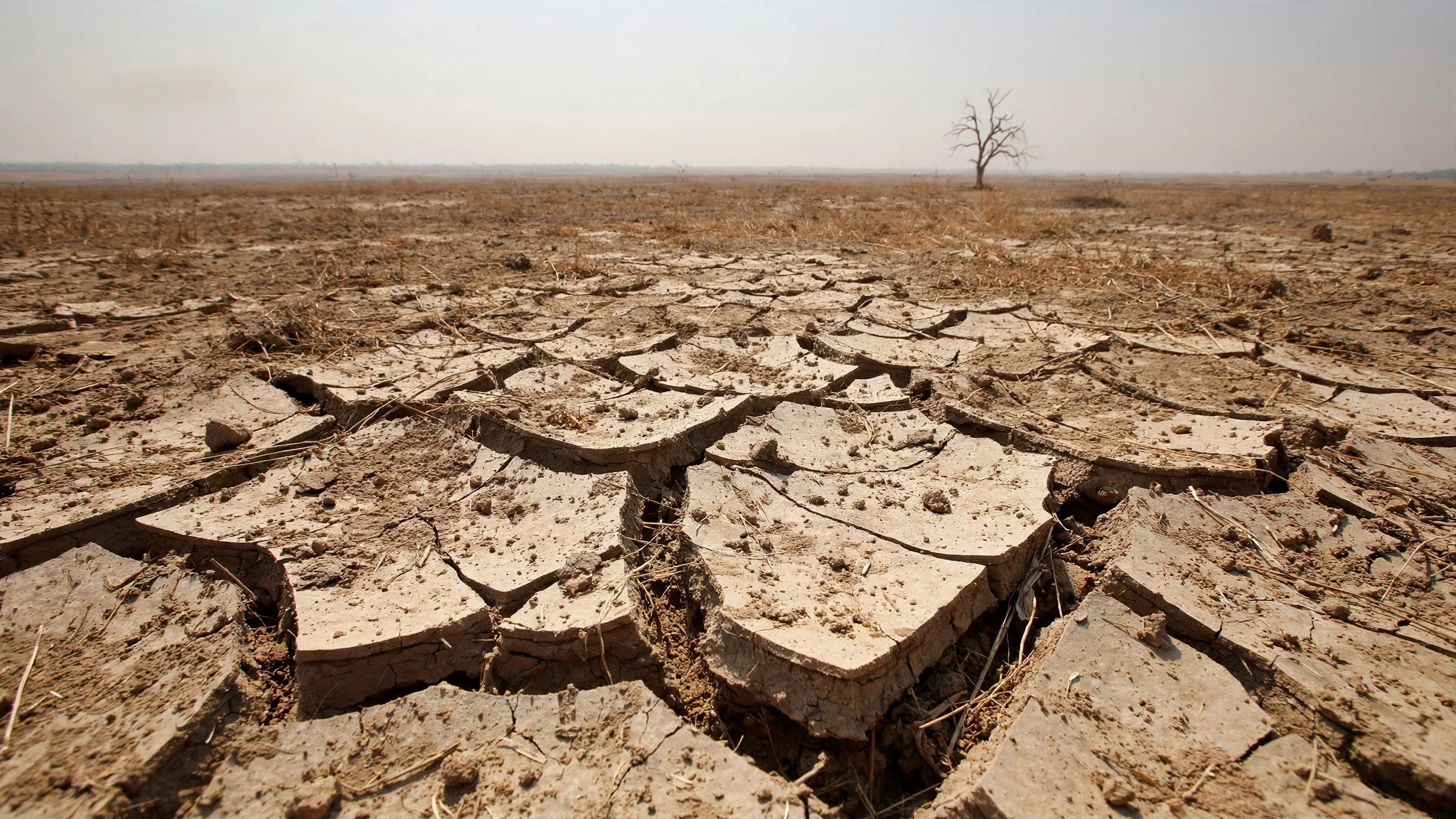
El Niño adds heat to an already warm planet
El Niño, the natural pattern of warm water in the central and eastern tropical Pacific, has strengthened since August and is expected to reach record intensity by December, the WMO said. It is expected to keep affecting global conditions into early 2027. The pattern typically adds about 0.1 to 0.2 degrees Celsius to the global average temperature, and its strongest effects often arrive the following year.
“We are supercharging our weather and El Niño will be a risk multiplier. Heatwaves, tropical cyclones, and rainstorms are intensifying faster than our historical baselines prepared us for,” WMO Secretary-General Celeste Saulo said. “We have entered a new age of climate extremes,” U.N. Secretary-General António Guterres said.

Health, oceans and ice
El Niño may raise the risk of heat illness, wildfire smoke, food insecurity and diseases such as cholera, malaria and dengue as heat, drought and heavy rain affect communities, the report said. Europe’s 2026 heatwaves, drought and wildfires were linked to more than 30,000 excess deaths in preliminary estimates, with at least eight countries setting national temperature records. An April heatwave exposed an estimated 146.5 million people in India to extreme heat, and a Himalayan glacier collapse followed by flash flooding in Nepal killed more than 1,300 people in August.
The report also set out record ocean heat and rising seas. Carbon dioxide reached about 426.8 parts per million in 2025, 53% above preindustrial levels, with methane and nitrous oxide also at records. Oceans take in about 90% of the extra heat, and 2026 was on course to become the tenth straight year of record ocean warmth. Average sea levels reached a record in 2026, with especially high readings from June through August.
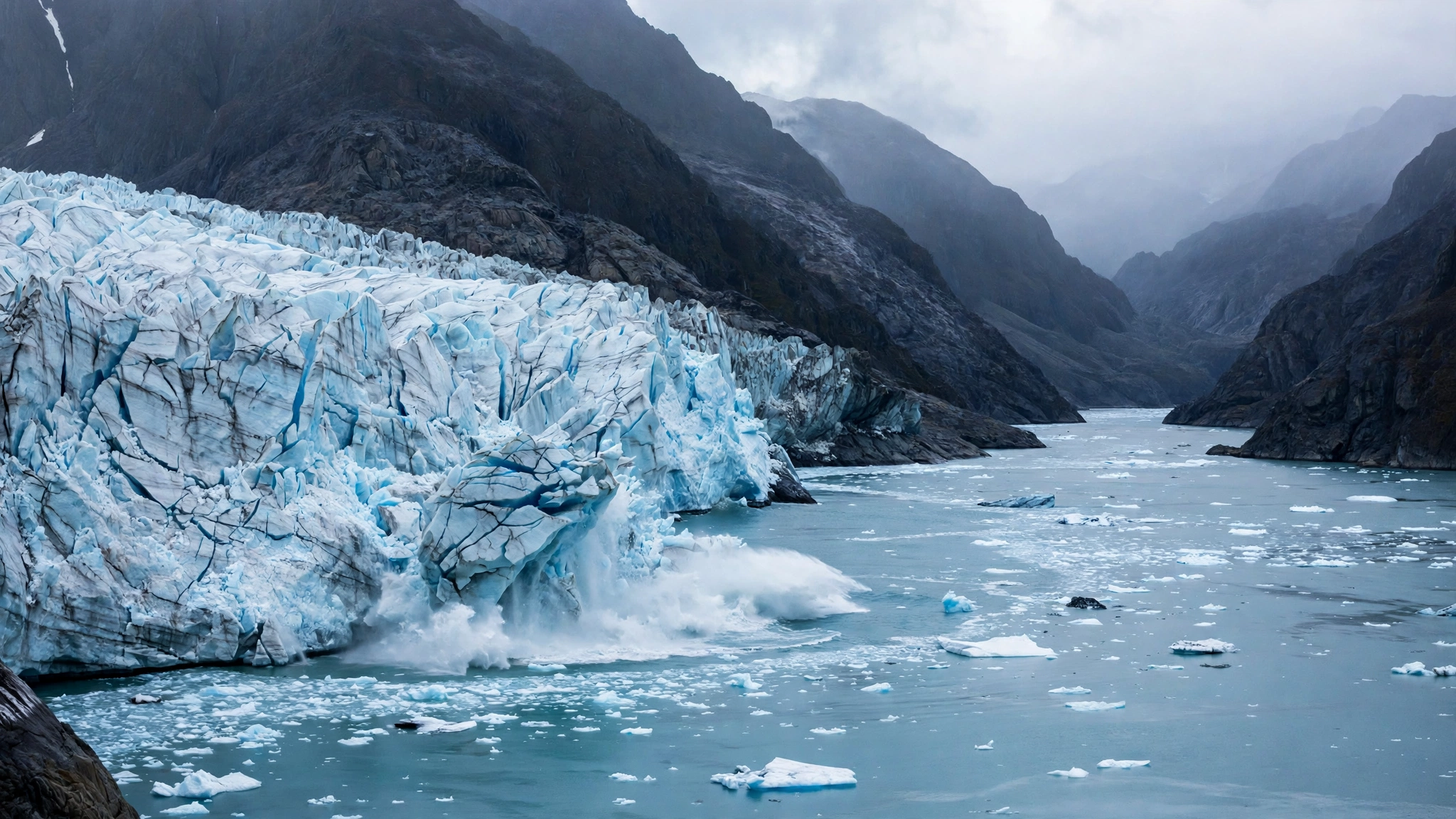
Glaciers lost more than 400 billion tonnes of ice in 2025, enough to fill five Olympic swimming pools every second for a year, and all 19 monitored glacier regions lost ice for a fourth straight year. Antarctic sea ice reached its third-lowest annual maximum in the satellite record during 2026, and the Arctic maximum ranked as the lowest or second-lowest.

The WMO update uses data available through September 2026 and does not yet reflect the latest El Niño effects. A fuller State of the Global Climate 2026 report is due in March 2027. At COP31, which runs through Nov. 20, governments are negotiating how to move away from fossil fuels and how much support to give countries already facing severe climate damage. US News America reported on the opening of the talks on Monday.
Reporting based on coverage by the World Meteorological Organization, CNN and Devdiscourse.