New Car vs. Used Car: How Each One Works and Which One Fits You
A new car costs more up front and comes with a full factory warranty, while a used car costs less and loses value more slowly but needs a closer look before you buy.

Shoppers who compare a new car with a used car are weighing certainty against price. A new car gives you a full warranty and a known history. A used car gives you a lower price and a slower drop in value, in exchange for more homework before you sign.
How buying a new car works
A new car is one that has never been titled to a private owner. You buy it from a franchised dealer, pick the trim, color, and options, and the car comes with the maker’s full factory warranty. Bumper-to-bumper coverage often runs three years or 36,000 miles, and powertrain coverage often runs five years or 60,000 miles, though the terms differ by maker, so the window sticker and warranty booklet for the model you pick are the ones that count.
New cars also carry the newest safety equipment and driver-assist features for their model year, and the buyer can order the exact setup they want instead of taking what is on the lot. The trade-off is price. A new car costs more than a comparable used model, and it sheds value fastest in its first year or two. Insurance and sales tax also tend to run higher, since both track the car’s price.
How buying a used car works
A used car is any car with a prior owner, from a one-year-old trade-in to a ten-year-old sedan sold by its third owner. The price is lower than the same model new, often by a wide margin, and the car has already gone through its fastest period of value loss, so the buyer keeps more of what they pay if they sell it a few years later.
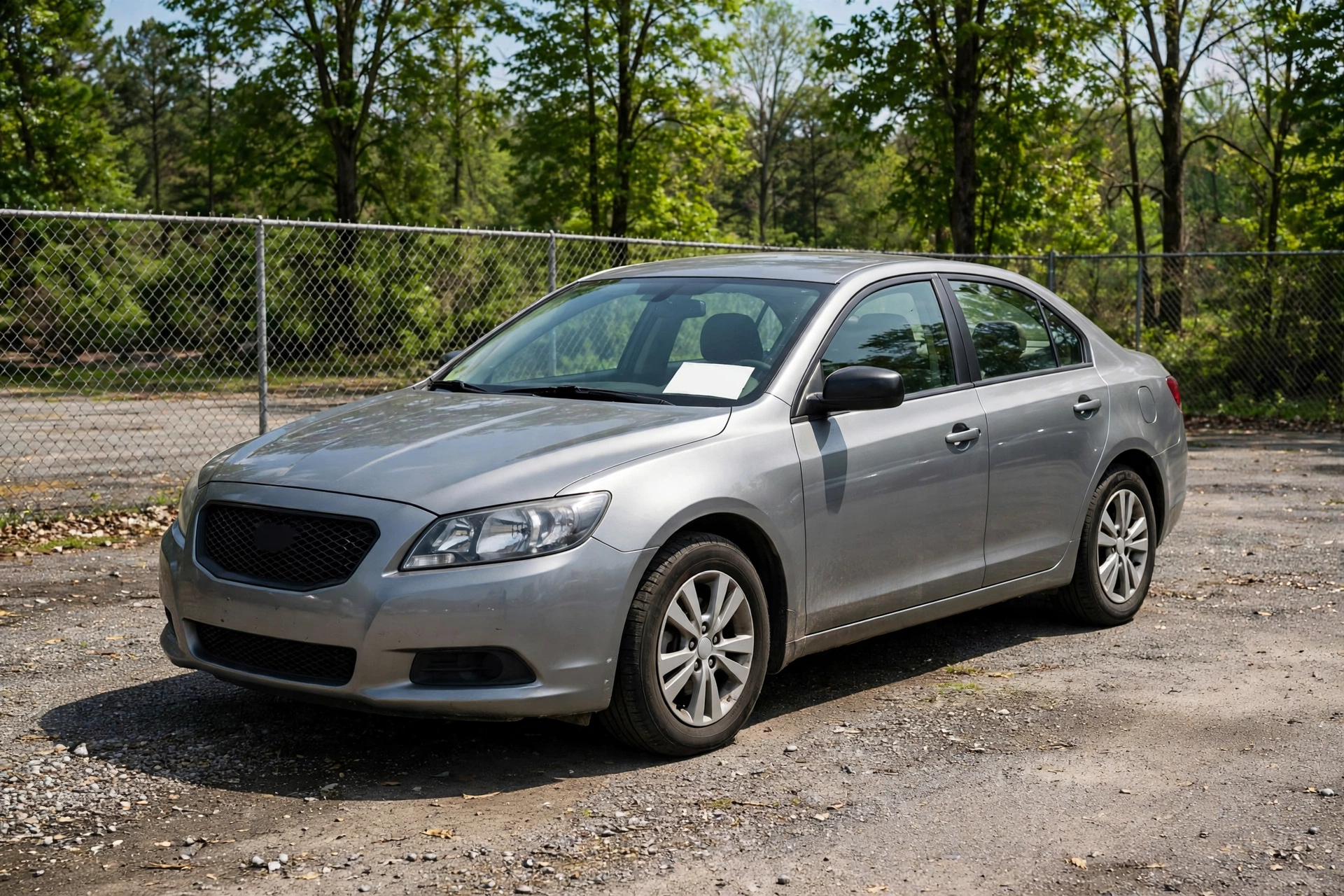
The lower price comes with more checks. A used car may have wear the seller did not disclose, a crash in its past, or a recall repair that was never done. A buyer can ask for a vehicle history report, check for open recalls through the National Highway Traffic Safety Administration, and pay an independent mechanic to inspect the car before the sale.

Certified pre-owned cars sit in the middle: the maker or dealer inspects them and adds a warranty, and the price sits above a plain used car of the same age and mileage.
New car vs. used car at a glance
| New car | Used car | |
|---|---|---|
| What it is | Never titled to a private owner, sold by a franchised dealer with a full factory warranty. | Previously owned, sold by a dealer or a private seller, with whatever warranty remains. |
| Who it fits | Buyers who want a full warranty, the newest safety features, and an exact trim and color. | Buyers who want a lower price and a car that has already passed its fastest period of value loss. |
| Purchase price | The highest price for a given model, plus higher sales tax and registration fees. | A lower price for the same model, with tax and fees tied to that lower price. |
| Running costs | Lower repair bills while the warranty runs, but higher insurance. | Lower insurance, but repair bills can rise once the warranty ends, and older cars can need tires, brakes, and other wear parts sooner. |
| Pros | Full warranty, newest features, no prior wear, exact choice of options. | Lower price, slower loss of value, lower insurance, more car for the same budget. |
| Cons | Higher price, faster early loss of value, higher tax and insurance. | Unknown past wear, possible hidden damage, higher loan rates, fewer choices of trim and color. |
Which one fits you
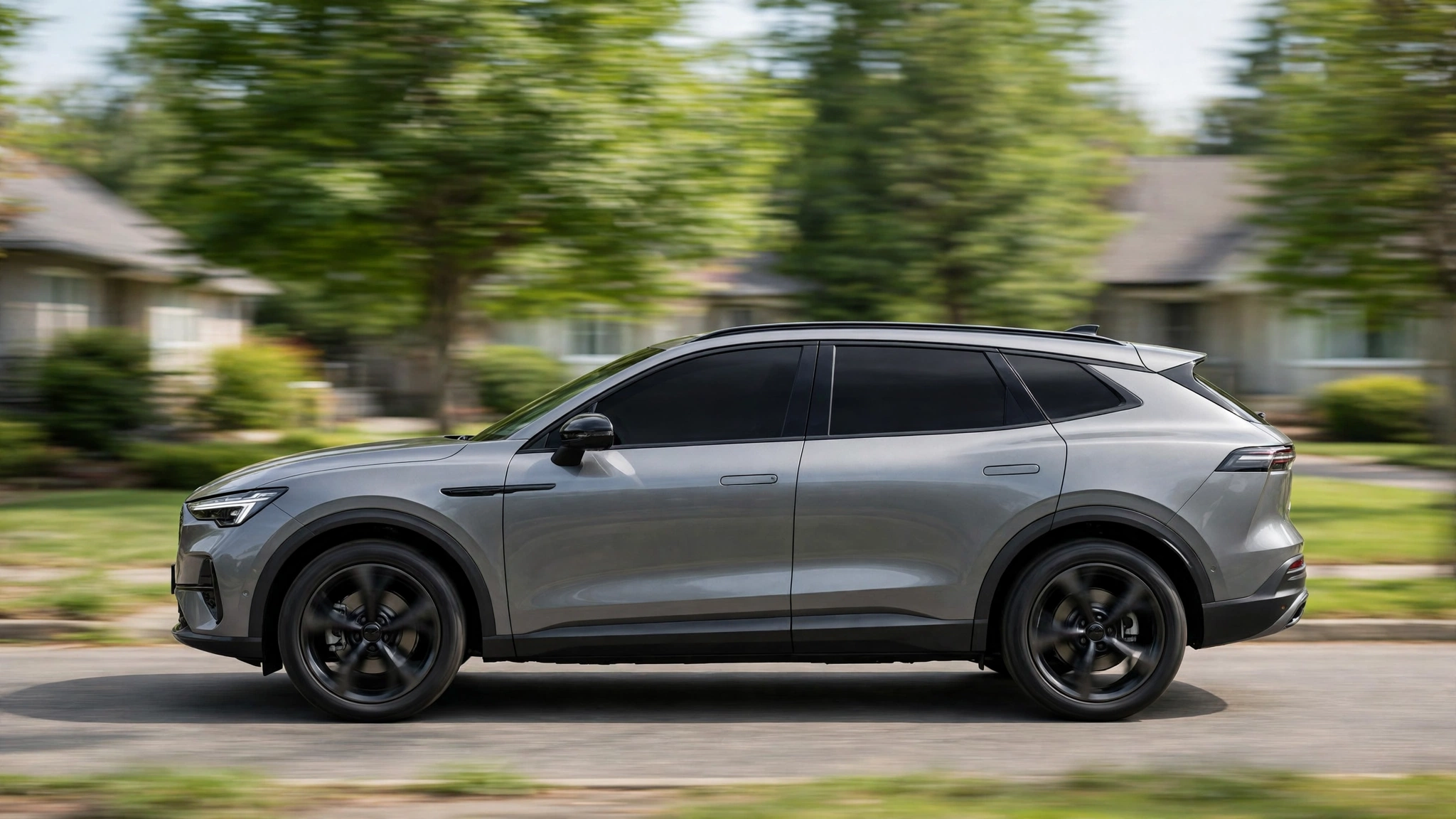
Choose a new car if you plan to keep it for many years, want warranty coverage for repairs, and want the newest safety features without checking a car’s past. The higher price buys a known history and a dealer who must stand behind the sale.
Choose a used car if your budget is tight, you want more car for the same money, or you drive few miles each year and can accept an older car. Get a history report and an independent inspection first, and set aside money for repairs, since a cheap purchase price can turn costly if the car needs work soon after the sale.
Choose a certified pre-owned car if you want a middle path: a used price with an inspection and a maker-backed warranty behind it.
Explainer based on buyer guidance published by the Federal Trade Commission and recall and safety information published by the National Highway Traffic Safety Administration. Warranty terms differ by maker and model year.