COP31 Climate Talks Collapse in Antalya After Final Deal Drops Any Mention of Fossil Fuels
After more than two weeks of talks in Antalya, Turkey, the COP31 climate conference ended Sunday without an overarching deal, as the European Union and other nations refused to back a final text that left out fossil fuels entirely.
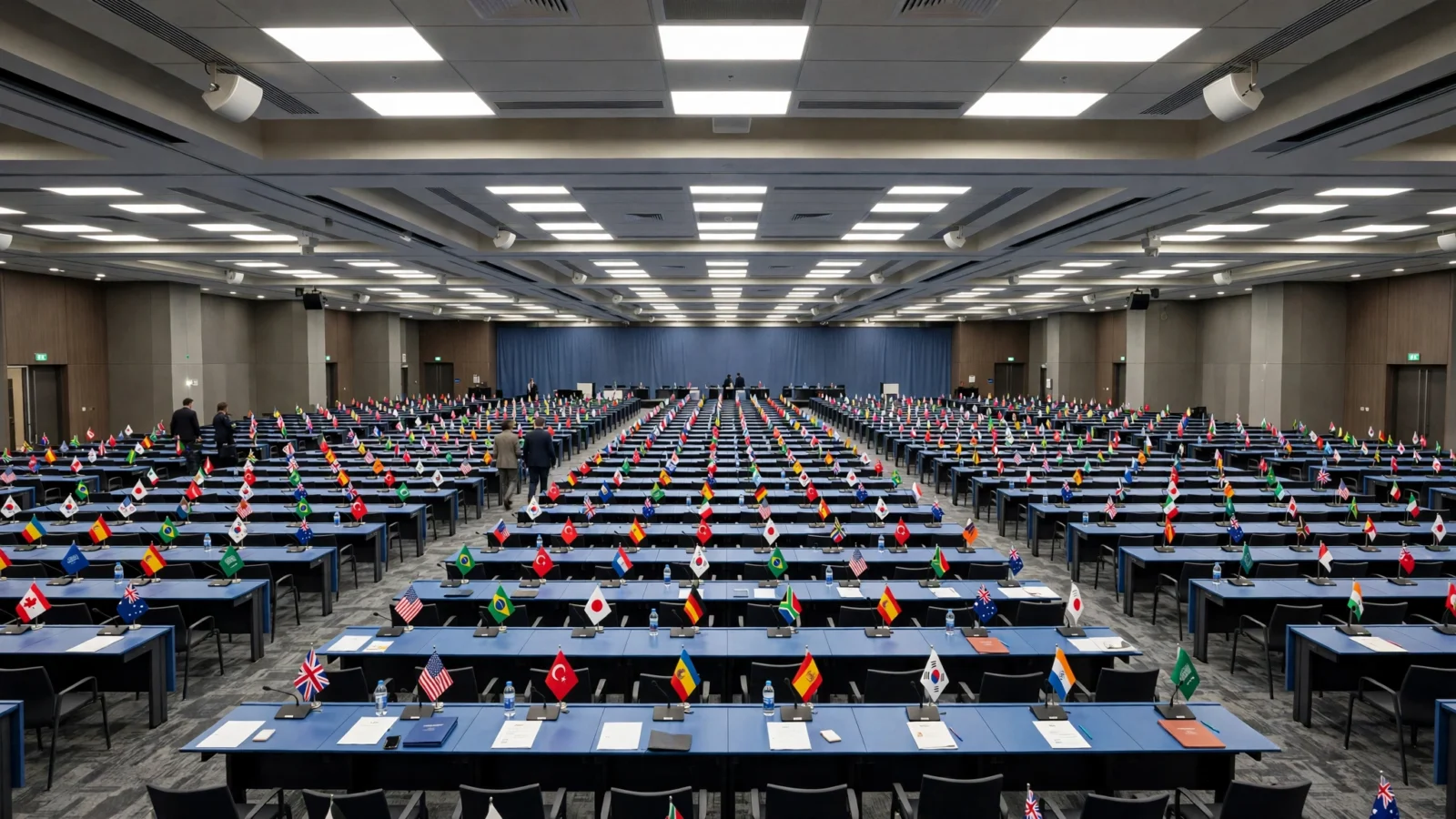
The COP31 climate conference in Antalya, Turkey, collapsed on Sunday after more than two weeks of talks, ending without an overarching deal as countries failed to agree on the central question of the summit: fossil fuels.
At the final meeting meant to approve the so-called Antalya Pact, COP31 president Murat Kurum told delegates there was no consensus to adopt the text. “We have done our utmost,” he said, “but it is clear that there are parties in this hall who oppose this text. We recognize that there is no consensus on this document.”
The talks ran two days past their scheduled end, making COP31 the longest climate summit in more than three decades, according to The Times, and the first major breakdown since the Copenhagen talks in 2009, according to CNN.

Fossil fuels left out of the final text
The final draft contained no mention of fossil fuels at all. Countries instead only “recalled” the deal reached at COP28 in Dubai in 2023, when nations agreed for the first time to “transition away from fossil fuels.” An early draft published on Monday had called for an “immediate transition away from fossil fuels in energy systems,” but every mention was stripped from later drafts even though more than 100 countries pushed to keep the language in.
The European Union, Britain, Panama, the Marshall Islands and Norway were among those that rejected the final text. Darragh O’Brien, Ireland’s climate minister, who helped lead talks for the EU, said the bloc would not endorse a deal “that does not even mention fossil fuels.” He said the draft had been “hijacked” by oil states and that the EU’s 27 members “will not accept a Cop that greenwashes fossil fuels.”
Miatta Fahnbulleh, Britain’s energy secretary, called the failure to reach agreement “immensely disappointing.” The British government said the final draft “moves us backwards on the science.” China and Pakistan said they could accept the proposed agreement, while Russia said it could not agree to any mention of fossil fuels in the text.
A negotiator for the Marshall Islands said the low-lying island nation “had been let down on all sides,” adding: “We will not compromise our future to benefit fossil fuel interests.”
Finance and clean power also fell short
Finance was the other fault line. The draft called for efforts to at least triple adaptation finance by 2035 but set no baseline and no specific numbers. Many developing countries said they were disappointed. They said the gap left them without the money they need to adapt to disasters they did little to cause.
The draft also backed carbon capture technology. The technology captures carbon pollution before it reaches the air, so fossil fuel production can continue. Climate groups said the technology is expensive and unproven at scale, and warned it distracts from cutting fossil fuel use.
“Rich countries refused to put money on the table to help communities prepare for and recover from climate disasters, and handed polluters a free pass instead,” said Harjeet Singh, a veteran climate negotiator. “No deal is better than a deal that locks in failure.”
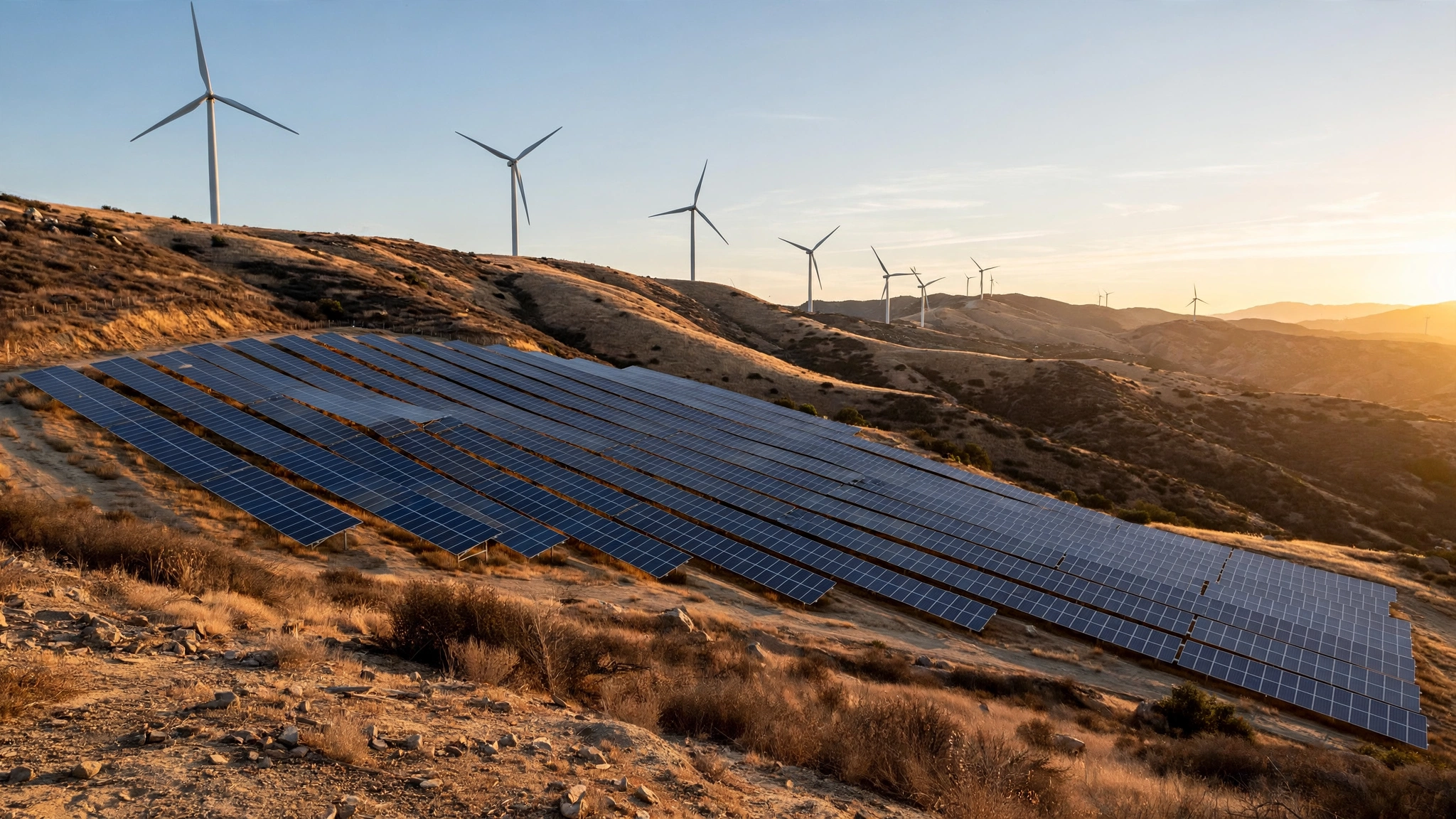
Chris Bowen, who led negotiations for the summit’s co-hosts, called the result very disappointing but pointed to progress outside the main deal, including a pledge by more than 90 countries to speed up the electrification of their economies. The draft proposed raising electricity to 35 percent of global energy use by 2035, up from 22 percent today. Electric cars and heat pumps would drive the shift.
The draft also contained the first formal acknowledgement that warming will pass 1.5 degrees Celsius above pre-industrial levels, a limit 194 countries agreed to pursue in Paris in 2015. A UN report published earlier this month said the world will overshoot that target, with temperatures on current policies expected to rise to 2.8 degrees. The planet is now at about 1.4 degrees of warming.
The collapse came after an earlier draft that called for a phaseout of fossil fuels and $120 billion a year in adaptation finance drew objections from oil-producing nations.
Mohamed Adow, director of the energy think tank Power Shift Africa, called the summit “the worst ever COP” and said its collapse “needs to be a wake up call for the world.” Mary Robinson, the former president of Ireland, said the talks showed “a shameful lack of urgency and leadership.”
The United States did not take part in the talks. Under President Donald Trump, the US has pulled out of international climate action.
Reporting based on coverage by CNN and The Times.