Appeals Court Rules $1.7 Trillion Biden-Era Funding Bill Unconstitutional Over Proxy Voting
The 5th U.S. Circuit Court of Appeals ruled 9-8 that the House passed the 2022 omnibus spending bill unconstitutionally because 226 members voted by proxy. The ruling blocks enforcement of a pregnant-workers protection in Texas, while the court said its order has a narrow scope.

A federal appeals court in New Orleans ruled Friday that a $1.7 trillion government funding bill passed by the House in 2022 was unconstitutional because so many lawmakers voted by proxy instead of casting their votes in person.
The New Orleans-based 5th U.S. Circuit Court of Appeals voted 9-8 to uphold an injunction that had blocked enforcement of one part of the law, a provision giving pregnant workers stronger legal protections. The court said proxy votes do not count toward a quorum under the part of the Constitution that governs how Congress meets, so the bill was not validly passed.
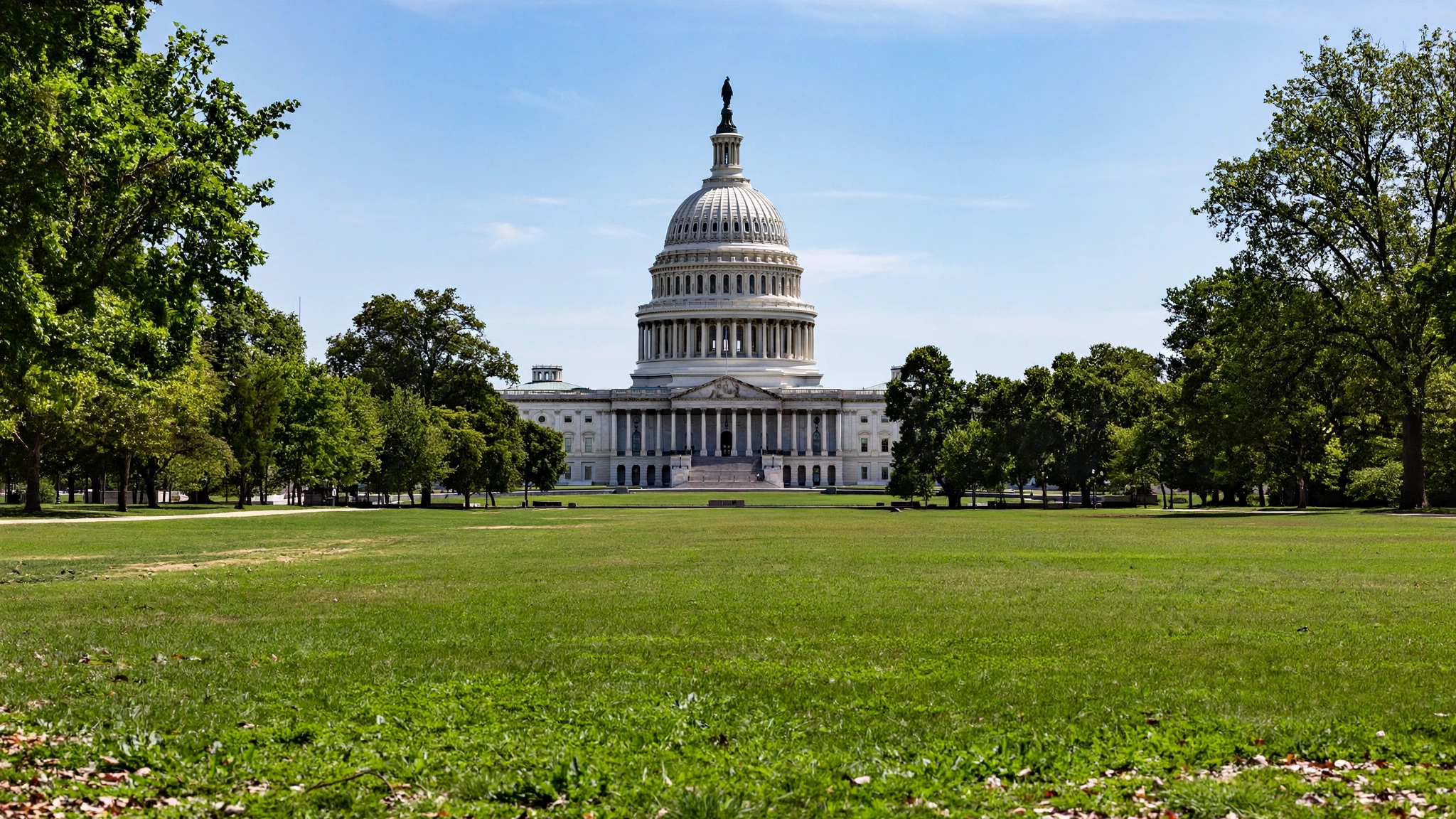
The omnibus bill passed the House in 2022 by a vote of 225 to 201, with one member voting present, according to the court opinion. Of those votes, 226 were cast by proxy under a pandemic-era rule that let members have a colleague vote for them while they were away.
Judge Cory Wilson, a Trump appointee, wrote the majority opinion. It said the government did not show that an emergency existed when the House adopted proxy voting, and it quoted the Constitution’s Quorum Clause as requiring members to be present for quorum purposes. A U.S. district judge had reached the same conclusion in 2022.
What the ruling does, and what it leaves alone
The case was brought in 2023 by Texas Attorney General Ken Paxton, who sought to stop the Pregnant Workers Fairness Act from being enforced in Texas. The act requires some employers to provide accommodations to pregnant workers. Friday’s ruling grants his request.

The opinion stressed that the ruling has a narrow scope, applying only to enforcement of the Texas law. That means the rest of the 2022 spending bill, which funded government operations across federal agencies and included about $45 billion in emergency aid for Ukraine and NATO allies and about $40 billion for natural disaster relief, was not struck down in full by this decision.
Legal experts had warned before the ruling that a decision against the law’s passage could raise questions about other bills passed with proxy votes during the pandemic. Inimai Chettiar, president of A Better Balance, a workers’ rights group that worked with lawmakers on the pregnant-workers provision, said the decision could reach beyond the facts of the case. She said a worker in a state covered by the Fifth Circuit who is denied an accommodation and then sues would face a district judge pointing to this opinion.
A sharp dissent
Judge James Graves Jr., an appointee of former President Barack Obama, dissented. He wrote that the majority was misreading the Quorum Clause and that the requirement of physical presence “shoehorns a much larger requirement into the Constitution.”

“Even though less than a majority was physically present at the time of the vote, no Member objected that a quorum was lacking,” Graves wrote.
The ruling can be appealed to the Supreme Court. For now, the Justice Department and the Equal Employment Opportunity Commission are barred from enforcing the pregnant-workers provision against Texas.
Reporting based on coverage by CNN and Reuters.