Army Says It Will Detonate Toxic Lead Explosive in Iowa by Tuesday, Bypassing Court Order
The Justice Department told a court the Army will go ahead with the controlled detonation of 68 barrels of degraded lead azide near Middletown, Iowa, by November 24, invoking an emergency exception after an appeals court froze its permit.
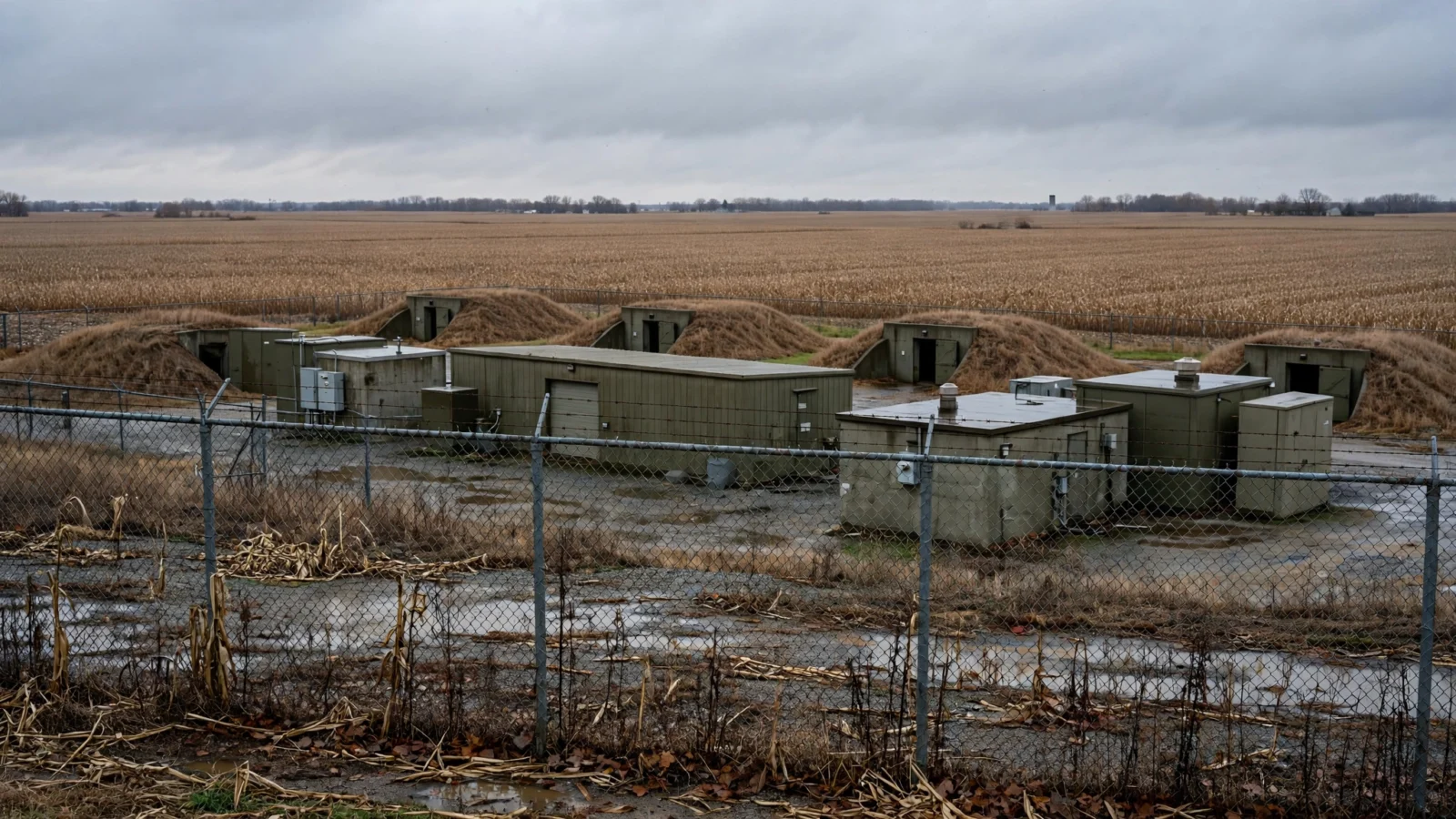
The U.S. Army plans to detonate 68 barrels of degraded lead azide at a munitions plant in Iowa by Tuesday, November 24, under emergency powers that allow it to proceed without the environmental permit a federal appeals court froze last week, the Justice Department told a court in a filing late Saturday.
“The Army must perform a controlled detonation to protect the public from the more significant threat from an uncontrolled explosion, and the Army intends to act by November 24, 2026,” the filing said, according to Reuters.
The U.S. Court of Appeals for the 8th Circuit temporarily halted the detonation on Thursday by freezing the Army’s environmental permit, after environmental groups sued to stop the operation. The government said in its Saturday filing that the Army would move ahead without a permit by invoking an emergency munitions and explosives exception in federal environmental law.

Why the Army says it cannot wait
Federal officials say the detonation must happen within the next several days because falling temperatures could destabilize the material and set off an uncontrolled explosion. The Army had earlier postponed the plan after an outcry from residents and farmers near Middletown, Iowa, where the plant sits.

Acting Secretary of the Army Adam Telle said in a statement Thursday that the Army, working with the U.S. Environmental Protection Agency, had determined that a controlled detonation to dispose of the degraded lead was the option that posed the lowest risk to the public.
Residents and environmental groups object
The Iowa Environmental Council and the Iowa chapter of the Sierra Club filed the lawsuit. Earthjustice, the nonprofit environmental law group suing on their behalf, did not immediately respond to a request for comment on Sunday.

The plaintiffs have argued that the detonations would send a toxic plume of lead dust into the air that could travel 100 miles north of the site, depending on weather conditions. Lead exposure can cause serious health problems, especially in children, including damage to the brain and nervous system.
The Army did not immediately respond to an inquiry on Sunday about the precise timing of the detonation.
The Army’s plan had already drawn a court challenge: a judge paused the Army’s plan to detonate five tons of lead explosive at the Iowa munitions plant.
Reporting based on coverage by Reuters.