Canada Supreme Court largely upholds Quebec ban on religious symbols for public workers in 6-1 ruling
Canada's Supreme Court on Friday largely upheld Quebec's Bill 21, which bars teachers, police officers, judges and other public workers from wearing religious symbols on the job. The court struck down one part of the law as it applies to members of Quebec's National Assembly who wear face coverings.
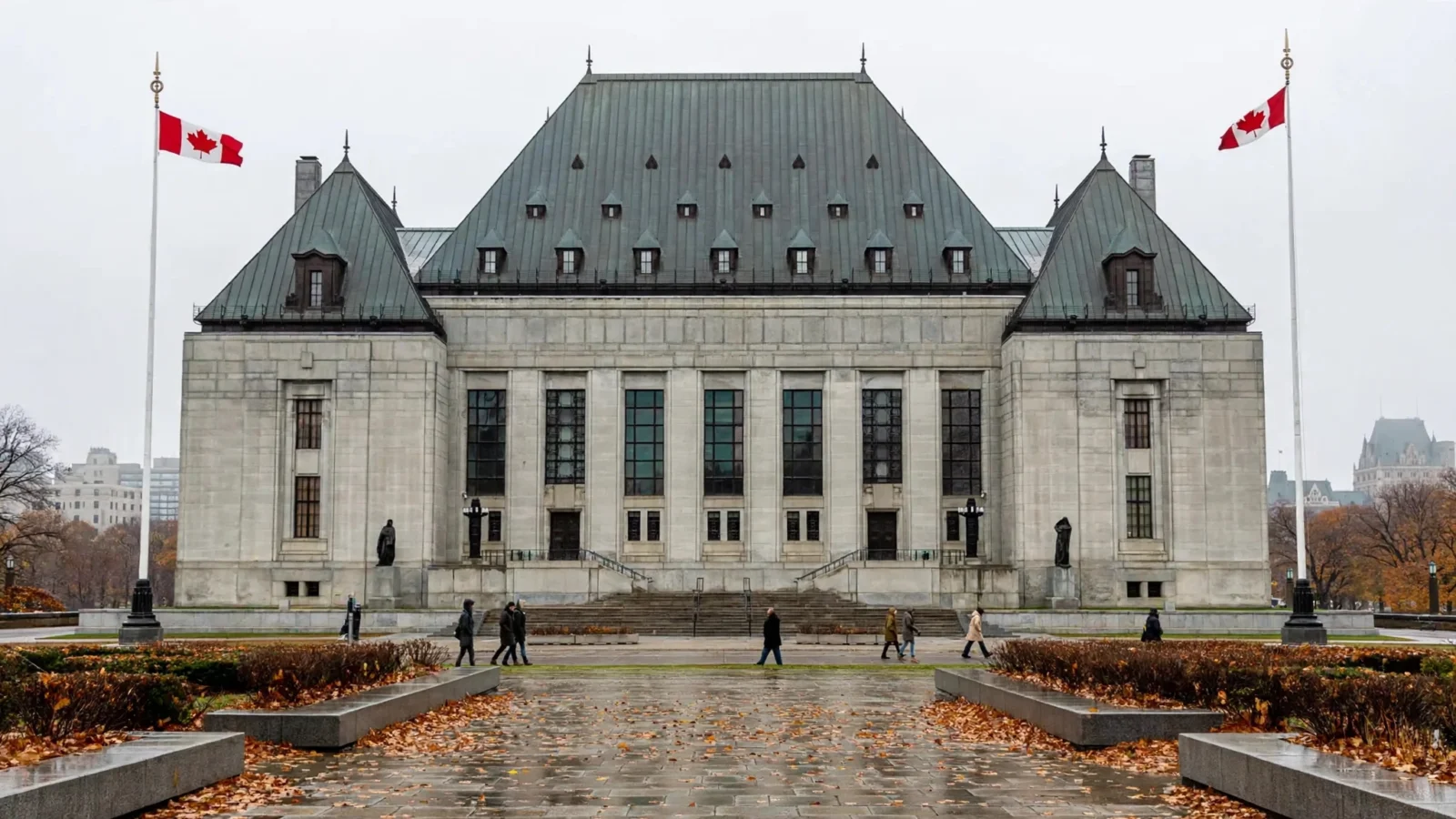
Canada’s Supreme Court on Friday largely upheld a Quebec law that bars public-sector employees in positions of authority from wearing religious symbols at work. The 2019 law, known as Bill 21, applies to public school teachers, police officers, judges and government lawyers, and it covers items such as hijabs, turbans, kippahs and crosses worn while those employees are on duty.

The court ruled 6-1 that Quebec validly used the notwithstanding clause, section 33 of the Charter of Rights and Freedoms, when it passed the law. The clause lets a government override some Charter rights for renewable five-year periods, and the court affirmed that Quebec could invoke it in advance, before a court had ruled on the law. Chief Justice Richard Wagner wrote in the 520-page decision: “In short, Bill 21 is rooted in Quebec’s legitimate and historical commitment to ensuring the laicity of the state in a free and democratic society.”
One exception for provincial lawmakers
The court carved out one part of the law. A section that bars employees from performing their functions while wearing religious face coverings will not apply to members of Quebec’s National Assembly, because it violates the right of Canadians to run for office and take part in the legislative process. That right sits in section 3 of the Charter, and the notwithstanding clause cannot override it.

The court said the “stigmatizing and deleterious effects” of the law on the people most affected, whom it identified as Muslim women, should not be underestimated. It rejected an argument that the law fails under section 28 of the Charter, which states that Charter rights apply equally to men and women. Justice Sheilah Martin dissented in part on that point. “Muslim women are overwhelmingly the ones who have been denied employment or been forced to remove their religious symbols,” Martin wrote, according to the Washington Examiner.
The justices also ruled that courts may issue declarations stating that a law violates Charter rights even when the notwithstanding clause keeps the law in force. A majority declined to issue such a declaration in this case.
Reaction in Ottawa and Quebec
Stephen Brown, chief executive of the National Council of Canadian Muslims, an appellant in the case, said the decision opened the “floodgates for a full attack” on the constitutional rights of Canadians, according to The Wall Street Journal. “In our country, in the 21st century, entire categories of people are now barred from entire sectors of employment, not because of what they have done, but because of who they are,” Brown said at a news conference in Ottawa. He said the notwithstanding clause “was intended to be an instrument of last resort, and now it has become an ordinary instrument of government.”

Yves-Francois Blanchet, leader of the federal Bloc Quebecois, called the ruling an “important victory” for Quebec and said it would let the province move forward with measures that define Quebec society. Prime Minister Mark Carney said on Friday that his government would not use the notwithstanding clause. “We will not use the notwithstanding clause,” Carney told reporters, according to the Washington Examiner. He said his government’s job is to defend the Charter of Rights and Freedoms, and he declined to say whether Ottawa would pursue constitutional negotiations with the provinces over the clause.
The case reached the top court after Quebec’s lower courts mostly upheld Bill 21 and groups including the National Council of Canadian Muslims and the English Montreal School Board appealed. The four-day hearing in March was among the longest in the court’s 151-year history, and a record 51 outside parties filed submissions. Bill 21 has a grandfather clause: employees who held their jobs before the law took effect keep an exemption, and they lose it if they are transferred or promoted.
Reporting based on coverage by The Wall Street Journal and the Washington Examiner.