U.S. goods trade deficit widens to $149.5 billion in October as AI buildout lifts imports to record $365.3 billion
The U.S. goods trade deficit rose 10.7 percent to $149.5 billion in October, the Commerce Department said, as goods imports climbed 6.1 percent to a record $365.3 billion, led by capital goods tied to AI data centers.

The U.S. goods trade deficit widened to $149.5 billion in October, the Commerce Department’s Census Bureau said on Friday, as imports rose to a record high on purchases tied to the buildout of artificial intelligence infrastructure.

The shortfall rose 10.7 percent, or $14.4 billion, from September, and was the highest level since March 2025, according to Reuters. Economists polled by Reuters had forecast a deficit of $133 billion.
Goods imports rose 6.1 percent, or $21.1 billion, to $365.3 billion, the highest level since the government started tracking the series in 1992. Capital goods led the increase, rising 8.5 percent in the month and 80.0 percent from a year earlier.
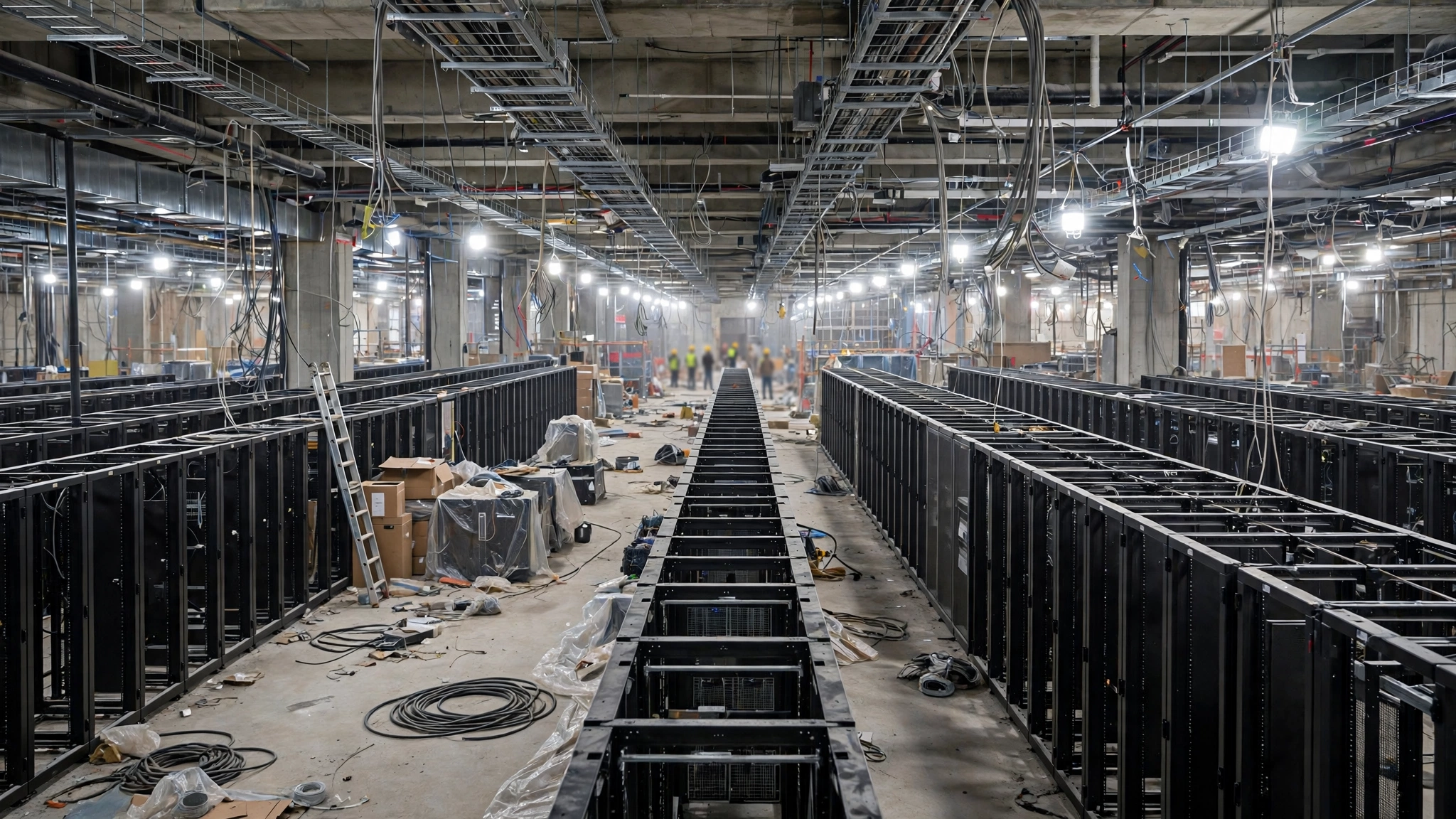
Imports rose across most categories
Imports of industrial supplies rose 6.0 percent, and imports of motor vehicles, engines and parts rose 4.1 percent, according to the Census Bureau figures reported by Reuters. Imports of consumer goods rose 2.6 percent, and imports of foods, feeds and beverages rose 2.5 percent.
Exports of goods rose 3.2 percent, or $6.7 billion, to $215.8 billion. Exports of industrial supplies rose 4.9 percent, capital goods rose 3.4 percent, motor vehicles, engines and parts rose 5.7 percent, and consumer goods rose 4.2 percent. Exports of foods, feeds and beverages fell 7.9 percent.

“The trade deficit in goods worsened in October, which will take a toll on economic growth in the fourth quarter,” Christopher Rupkey, chief economist at FWDBONDS, told Reuters. “Capital goods imports are surging, showing that AI doesn’t always lead to greater US economic growth.”
Trade weighed on growth in the third quarter
The government reported on Wednesday that trade subtracted 3.21 percentage points from gross domestic product growth in the third quarter, according to Reuters. Consumer spending and business investment in equipment, most of it AI-related, more than offset that drag. The economy grew at a 4.3 percent annualized rate in the third quarter, after growing at a 2.2 percent pace in the April-June period.
Trade has not added to GDP growth for four straight quarters, according to Reuters. The Census Bureau also reported that wholesale inventories rose 0.9 percent in October and retail inventories rose 0.8 percent.
Economists at Goldman Sachs lowered their fourth-quarter GDP growth estimate by 0.2 percentage point to a 2.2 percent rate, according to Reuters. The bank’s economists wrote that this year’s surge in capital goods imports is one reason AI is adding less to GDP than corporate spending figures suggest.
Imports have risen fast despite President Donald Trump’s tariffs. This week the Trump administration proposed new maximum potential rates of 20 percent to 40 percent on 14 major trading partners, including China, Japan and the European Union, to counter what the White House said was excess industrial capacity, according to Reuters.
Reporting based on coverage by Reuters via Kitco News.