Ukraine’s Naftogaz Weighs Buying Five Siemens Gas-Turbine Compressors After German Deal Wave
Ukraine's Naftogaz is considering five Siemens Energy gas-turbine compressor units under an expanded energy cooperation agreement signed during Chancellor Friedrich Merz's visit, as Kyiv hardens its gas network against Russian strikes.
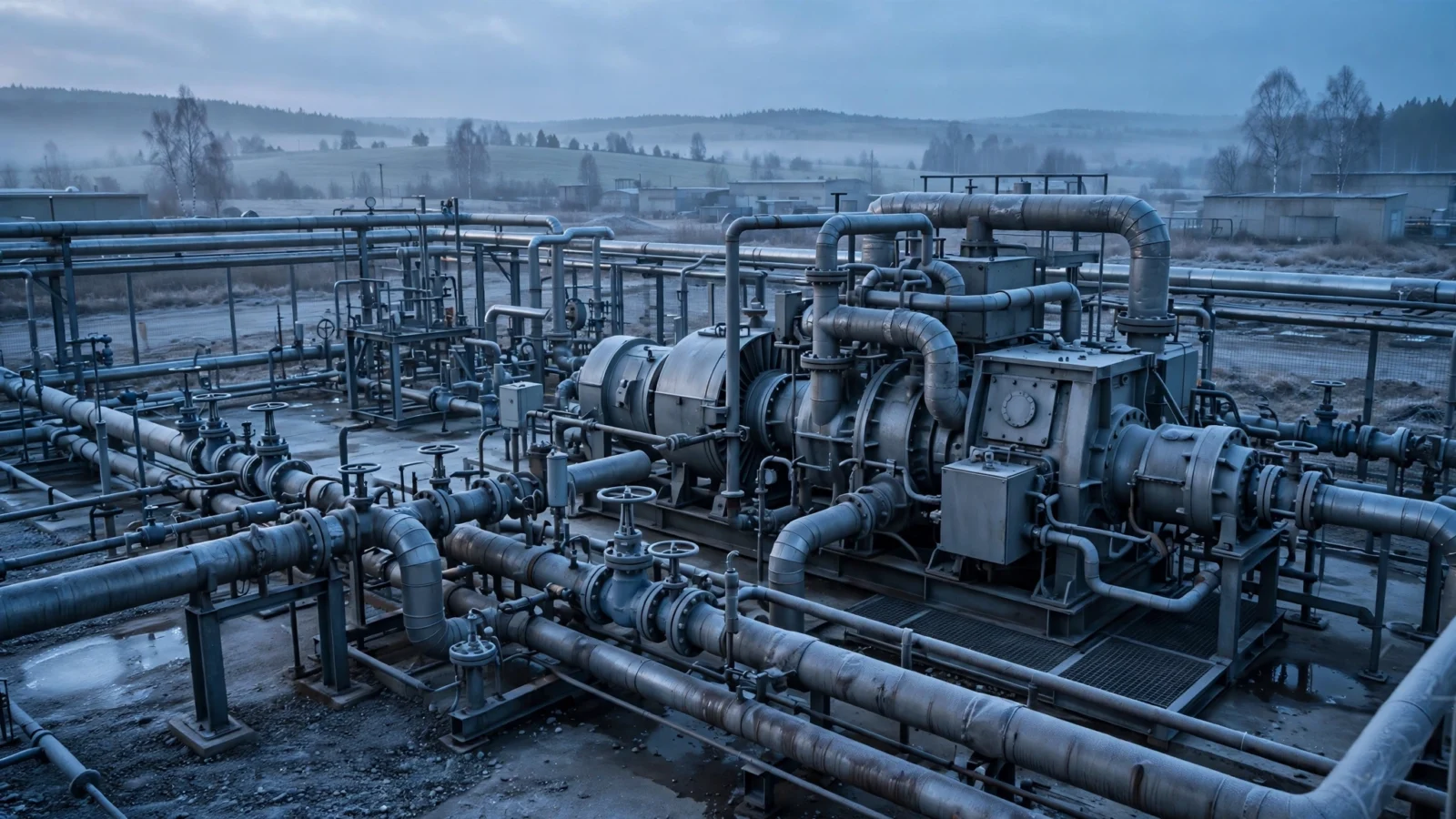
Ukraine’s state oil and gas company Naftogaz is considering buying five gas-turbine compressor units from Germany’s Siemens Energy, Ukraine’s energy ministry said on Monday, as Kyiv moves to harden its gas network against Russian strikes ahead of winter.
The possible purchase follows the signing of an agreement to expand energy cooperation between the two companies. The talks took place on Sunday during a visit to Ukraine by German Chancellor Friedrich Merz, who traveled with a delegation of German companies, according to Reuters.
Part of a wider German deal wave
Under the memorandum of understanding signed that day, Siemens and Naftogaz will cooperate on energy security and infrastructure protection, the modernization of Ukraine’s underground gas storage facilities, and technical aspects of power generation. The compressor talks were one piece of a much larger package: German officials said executives traveling with Merz signed 14 agreements with the Ukrainian government and businesses worth roughly €6.6 billion (about $7.39 billion).
The ministry also reported talks on using 12 Siemens Energy gas turbine units in Ukraine for distributed power generation, though it gave no further details. Neither Naftogaz nor the ministry disclosed the potential value of the compressor contract or any delivery dates.
Compressors are frontline equipment now
Gas-turbine compressors may sound like obscure industrial hardware, but in Ukraine they have become frontline equipment. The units keep natural gas moving through pipelines and into the country’s vast underground storage network — the system that heats homes and fuels power plants through the winter.
Ukrainian officials have repeatedly said Russia has intensified attacks on the country’s energy and gas infrastructure in an effort to leave the population without electricity and heating ahead of the winter cold. Industry sources say Russian forces have been targeting Ukrainian gas fields, pipeline compressors, and gas treatment and processing equipment — precisely the assets the Siemens equipment would help repair, replace or protect.
Distributed generation, the other focus of the talks, reflects the same logic. Smaller turbine units spread across many sites are harder to knock out than a single large power plant, and they can be brought online closer to the cities and industries that need electricity when the grid is damaged.
Whether the compressor purchase goes ahead will depend on financing, production slots and delivery timelines that neither side has yet made public. But the direction is clear: after nearly three years of strikes on its energy system, Ukraine is buying resilience in the form of steel, turbines and storage — and Germany’s industrial giants are signing up to supply it.
Reporting based on coverage by Reuters.