EPA finds no lead in 64 water samples released after Iowa ammunition plant detonation
The Environmental Protection Agency said on Saturday that lab results from 38 drinking water samples and 26 recreational water samples taken after the Army's Nov. 25 detonation of lead azide in Middletown, Iowa, showed no lead linked to the blast.
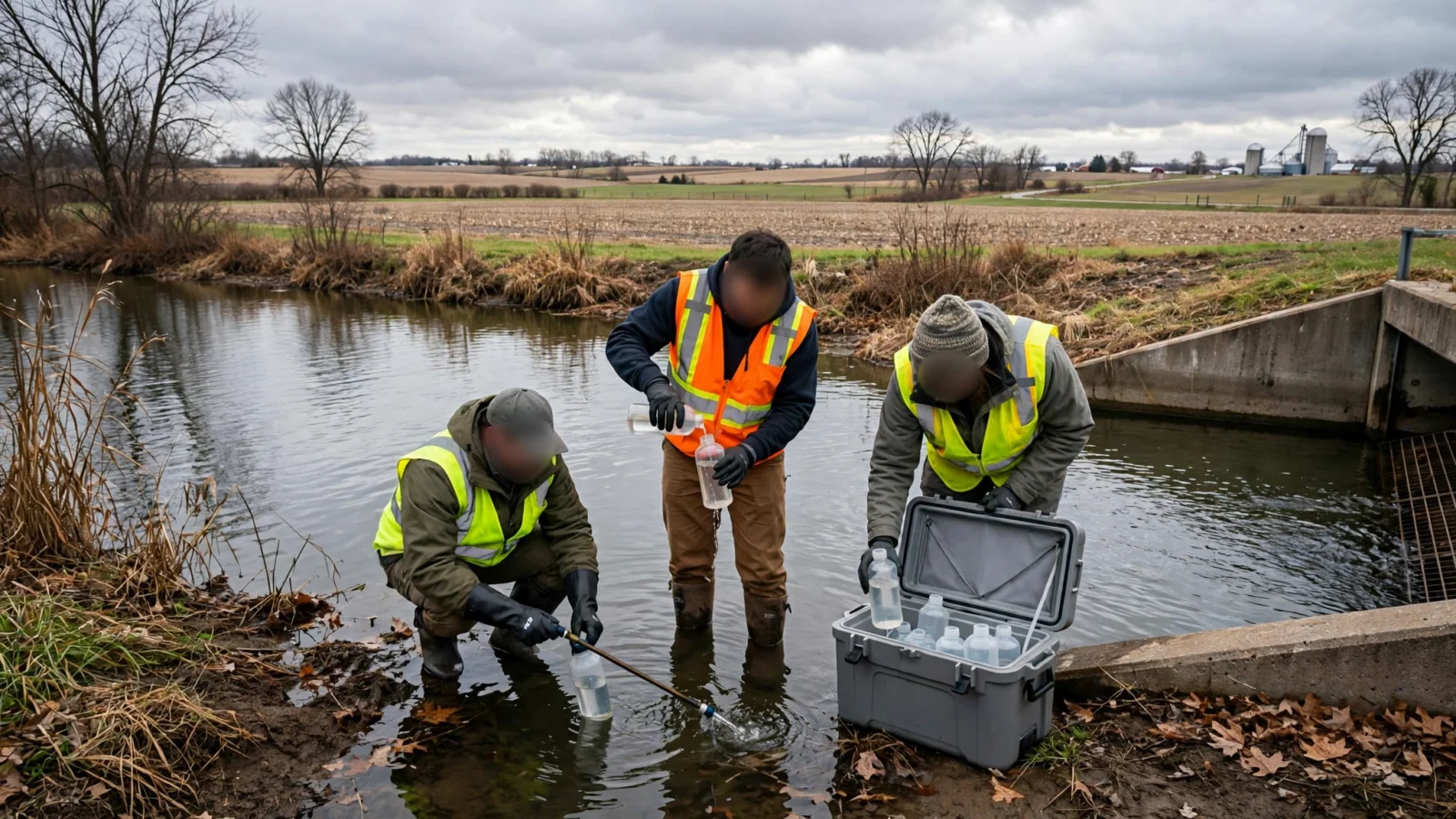
The Environmental Protection Agency said on Saturday that the first lab results from water samples taken after the U.S. Army’s controlled detonation in Middletown, Iowa, found no lead in drinking water sources and no lead linked to the blast in nearby lakes and ponds.
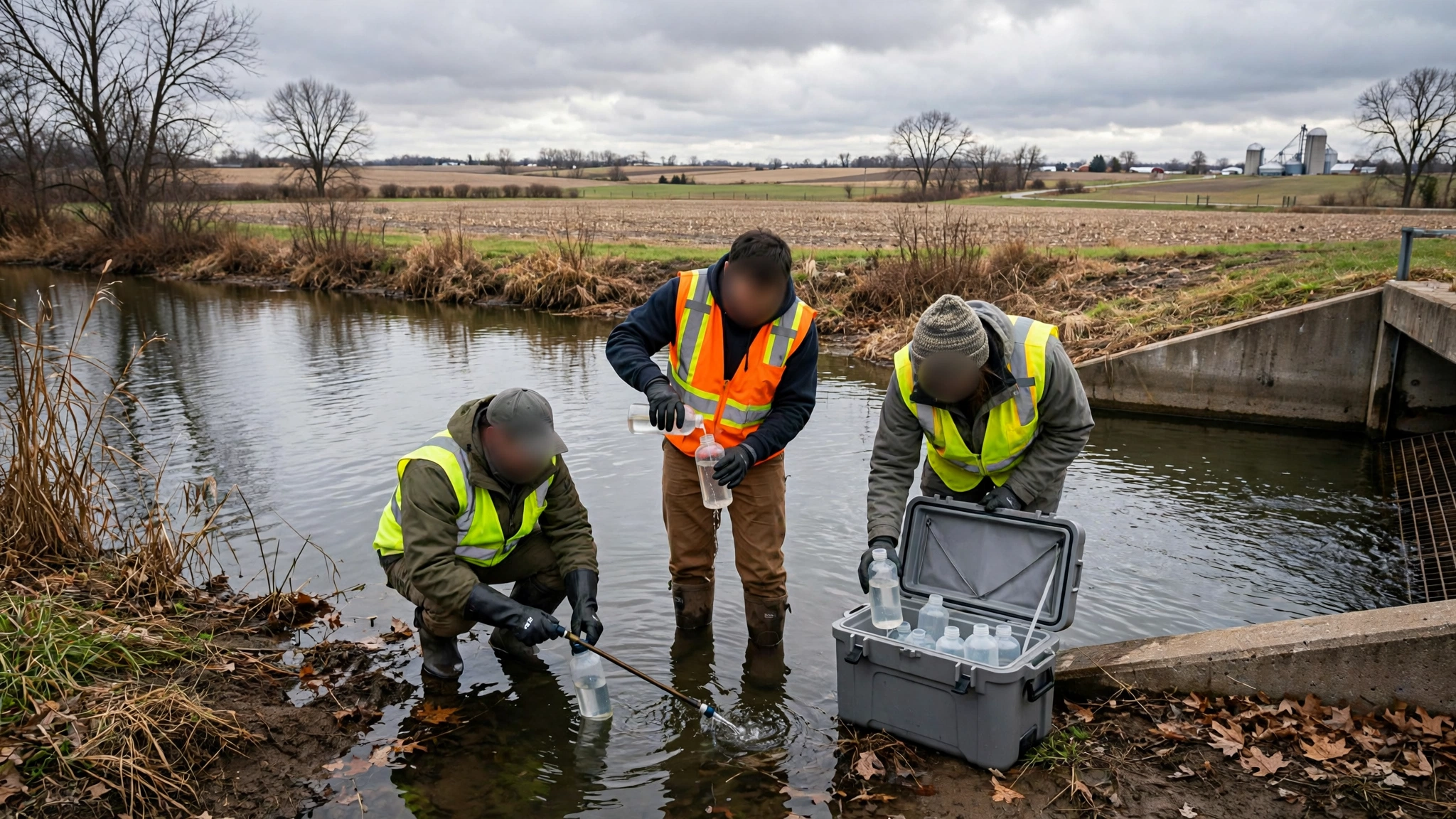
The Army detonated 68 barrels of degraded lead azide on Wednesday, Nov. 25, at the Iowa Army Ammunition Plant. The EPA said it found no lead in 38 samples taken after the blast at public water supplies, covering both finished treated drinking water and untreated water at the intake. A second release added 26 recreational water samples, which also showed no lead tied to the detonation. Results for 64 water samples are now public, according to the EPA.
More results are still to come
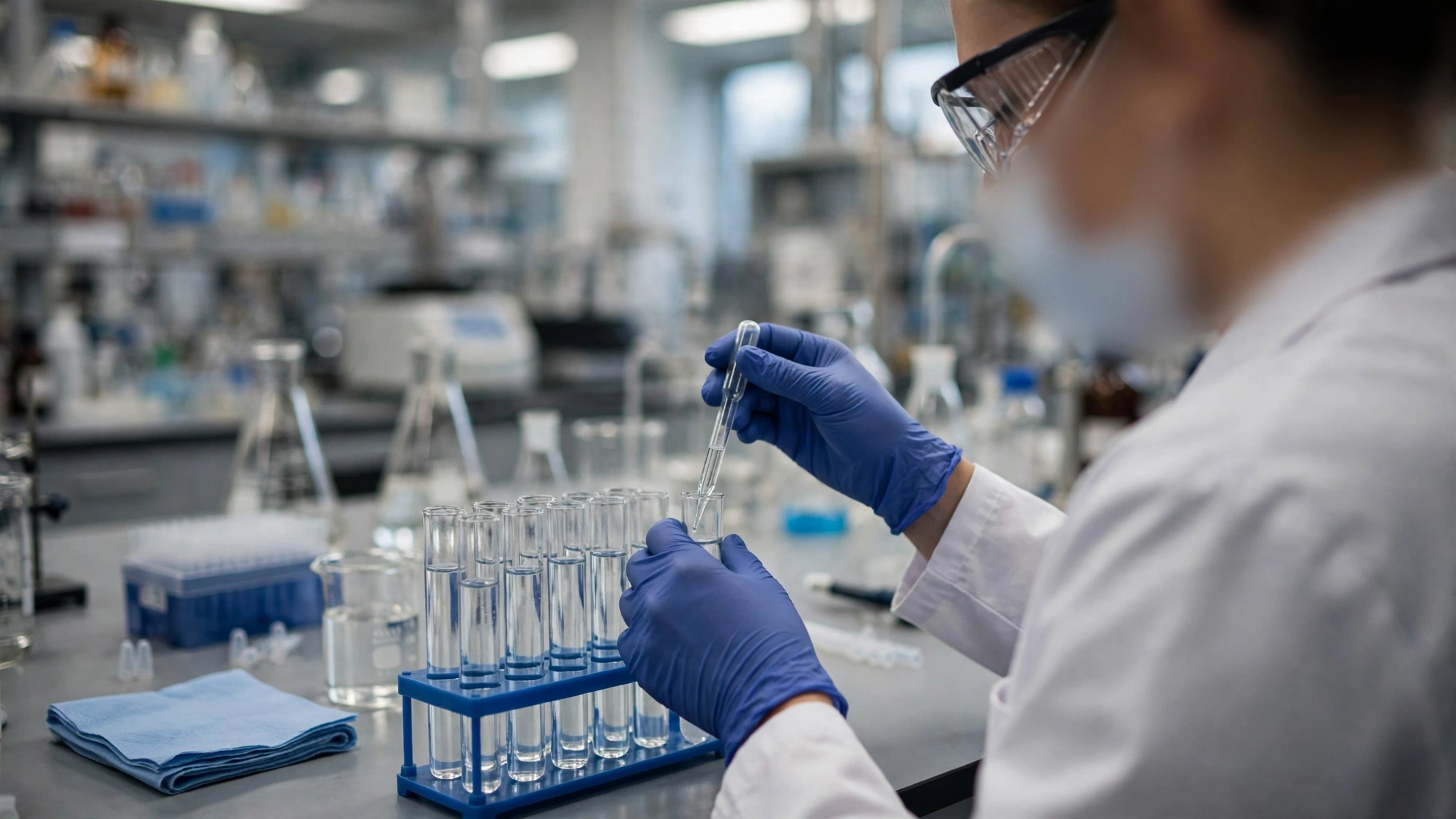
The EPA said its teams collected more than 3,200 samples of air, water, soil and dust before and after the blast: 1,632 before the detonation and 1,616 after it, as of 10 a.m. CT on Saturday. Air monitors recorded no airborne lead for 30 straight hours after the blast. Before the detonation, the agency sampled 35 drinking water sources across Iowa, Illinois and Missouri and found low lead levels at four sites, from 1.13 to 2.12 parts per billion, all well below the EPA action level of 15 parts per billion. The agency said that lead was present before the blast and was not caused by it.
Results for tap water, soil and dust samples are still being validated and will be posted when ready, the EPA said. USA Today reported that the plan drew court challenges and led to evacuations and shelter-in-place orders for area residents.
Reporting based on coverage by the U.S. Environmental Protection Agency and USA Today.