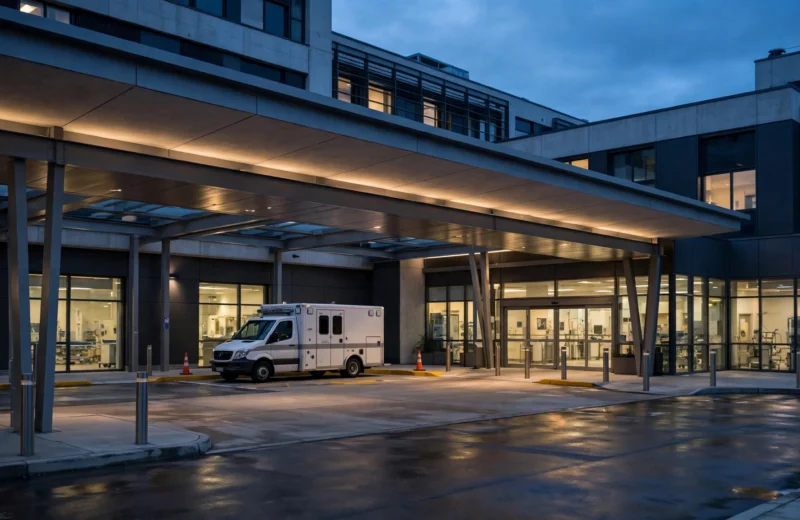
NHS Begins World’s Largest AI Breast Screening Trial With Nearly 700,000 Women
The EDITH trial will test whether artificial intelligence can help specialists find breast cancers earlier and review mammograms faster, starting at Cambridge University Hospitals and expanding to 30 sites across the UK.
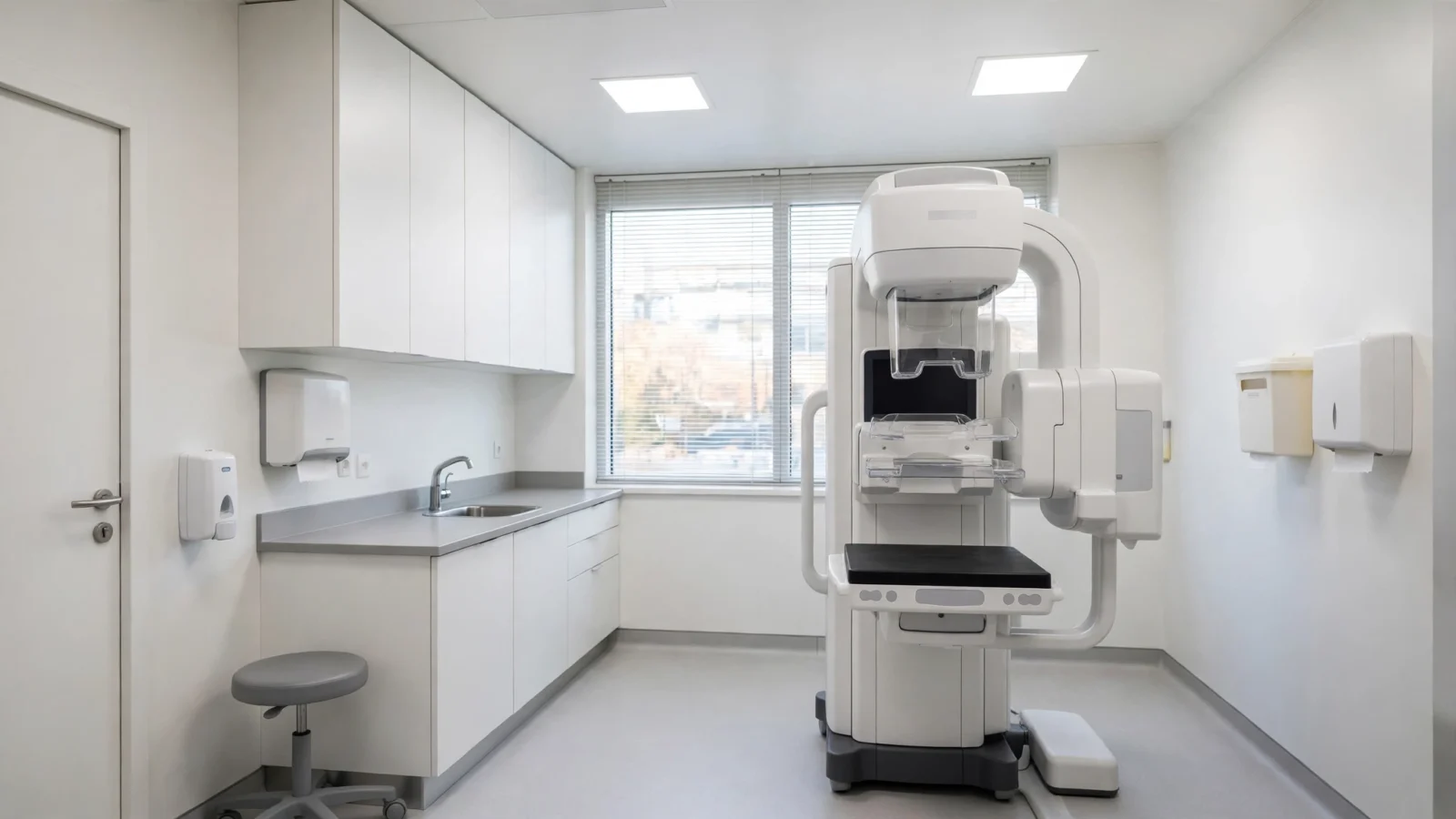
The NHS has begun recruiting for the world’s largest trial of AI-assisted breast cancer screening, with nearly 700,000 women expected to take part over three years at 30 sites across the UK.
The study, known as EDITH, will test whether artificial intelligence can help specialists detect more cancers earlier and review mammograms faster. Recruitment has started at Cambridge University Hospitals, the first of the 30 sites, with more sites to open over the coming months.
The £10 million trial is funded by the National Institute for Health and Care Research (NIHR) and led by the University of Warwick, the University of Cambridge and Cambridge University Hospitals NHS Foundation Trust, working with NHS England. EDITH stands for Early Detection using Information Technology in Health.
How the trial works
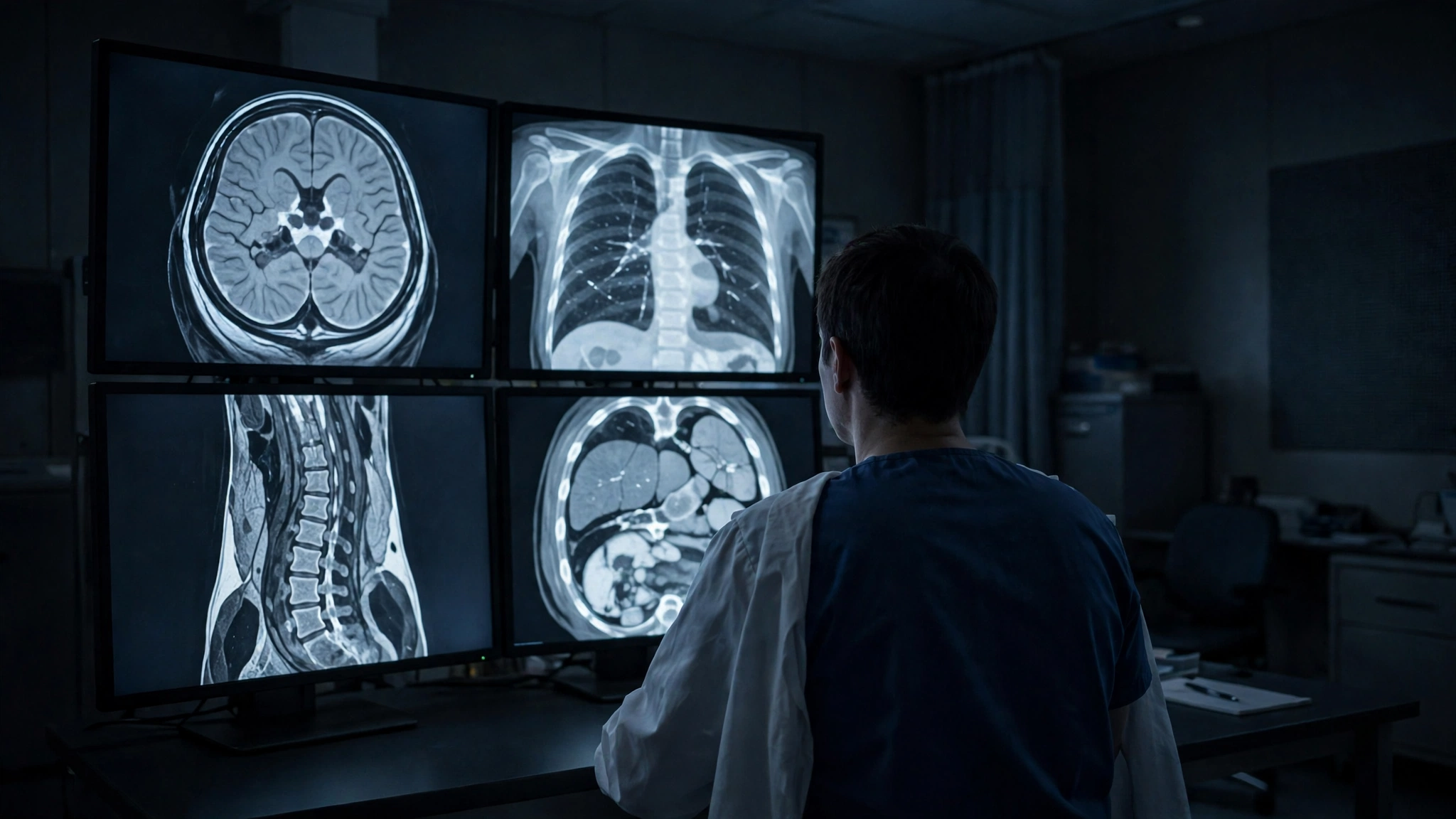
At present, two specialists review each mammogram to look for signs of cancer. The trial will test whether AI can support that process so that most images only need to be checked by one specialist, with the software flagging signs of cancer that are too small to see or feel.
If the trial succeeds, it could free up hundreds of radiologists and other specialists across the country to see more patients who need cancer tests and treatment, and help cut waiting lists, according to the NIHR.
The trial will also track how many cancers are detected and how often women are called back for further tests when they do not have cancer. The appointment itself does not change for women taking part; the trial only affects how the collected images may be reviewed.
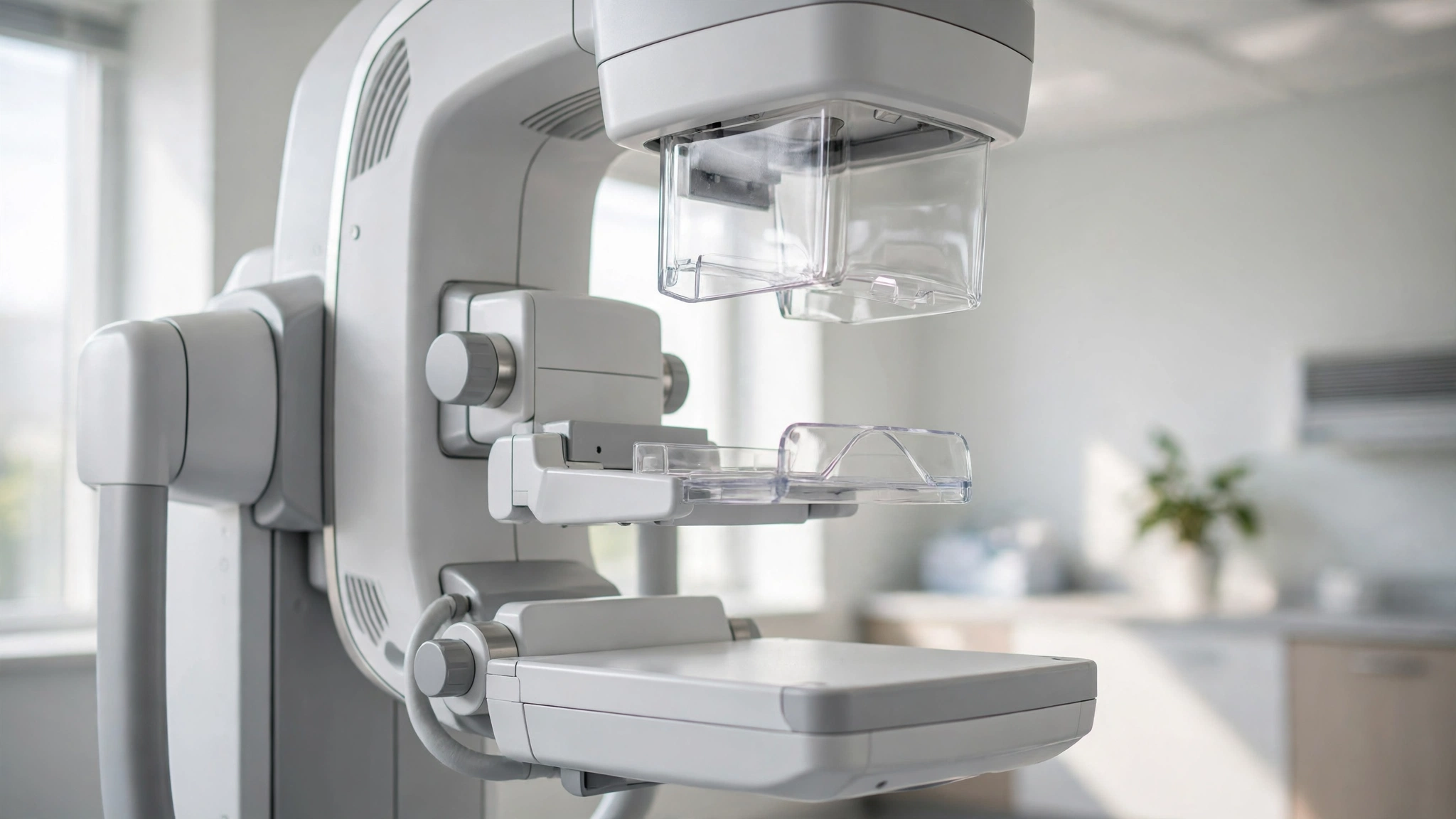
Breast cancer is the most common cancer in women, with around 55,000 people diagnosed each year in the UK. Women aged 50 to 71 are invited for screening every three years, with around 2.1 million screenings carried out each year. The programme helps prevent around 1,300 deaths a year, according to the NIHR.
“Millions of women have a mammogram each year and only a small number, less than 1%, will have cancer,” said Professor Fiona Gilbert of the University of Cambridge, a co-chief investigator of the trial. “Technology can make reviewing these images more efficient, freeing up specialist breast radiologists to spend more time caring for patients with cancer, supporting faster diagnosis and earlier treatment.”
Government backing
Health and Social Care Secretary Yvette Cooper visited the trial team at Addenbrooke’s Hospital in Cambridge to mark the start of recruitment. “This is the biggest AI breast cancer trial in the world, backed by £10 million of government investment to speed up diagnosis and potentially deliver life-saving improvements,” she said. “If successful, this technology could help women get a breast cancer diagnosis and start treatment much more quickly, giving them the best possible chance of recovery.”
Professor Lucy Chappell, chief executive of the NIHR, said earlier diagnosis gives people the best chance of successful treatment, and that the study will test whether AI can help deliver better outcomes while keeping the safety, quality and human expertise of NHS care.
The trial was first announced in February 2025. Its results will be published in a scientific journal after a number of years, and shared through media coverage, breast cancer charities and displays in screening clinics.
Reporting based on coverage by the National Institute for Health and Care Research and Sky News.