South Korea’s KOSPI Falls More Than 5% as AI Sell-Off Reaches Asia; Seoul Readies Stabilization Fund
South Korea's benchmark index fell more than 5 percent on Monday, triggering a second straight trading curb, as the global sell-off in artificial intelligence stocks spread to Asia and Seoul moved to steady the market.
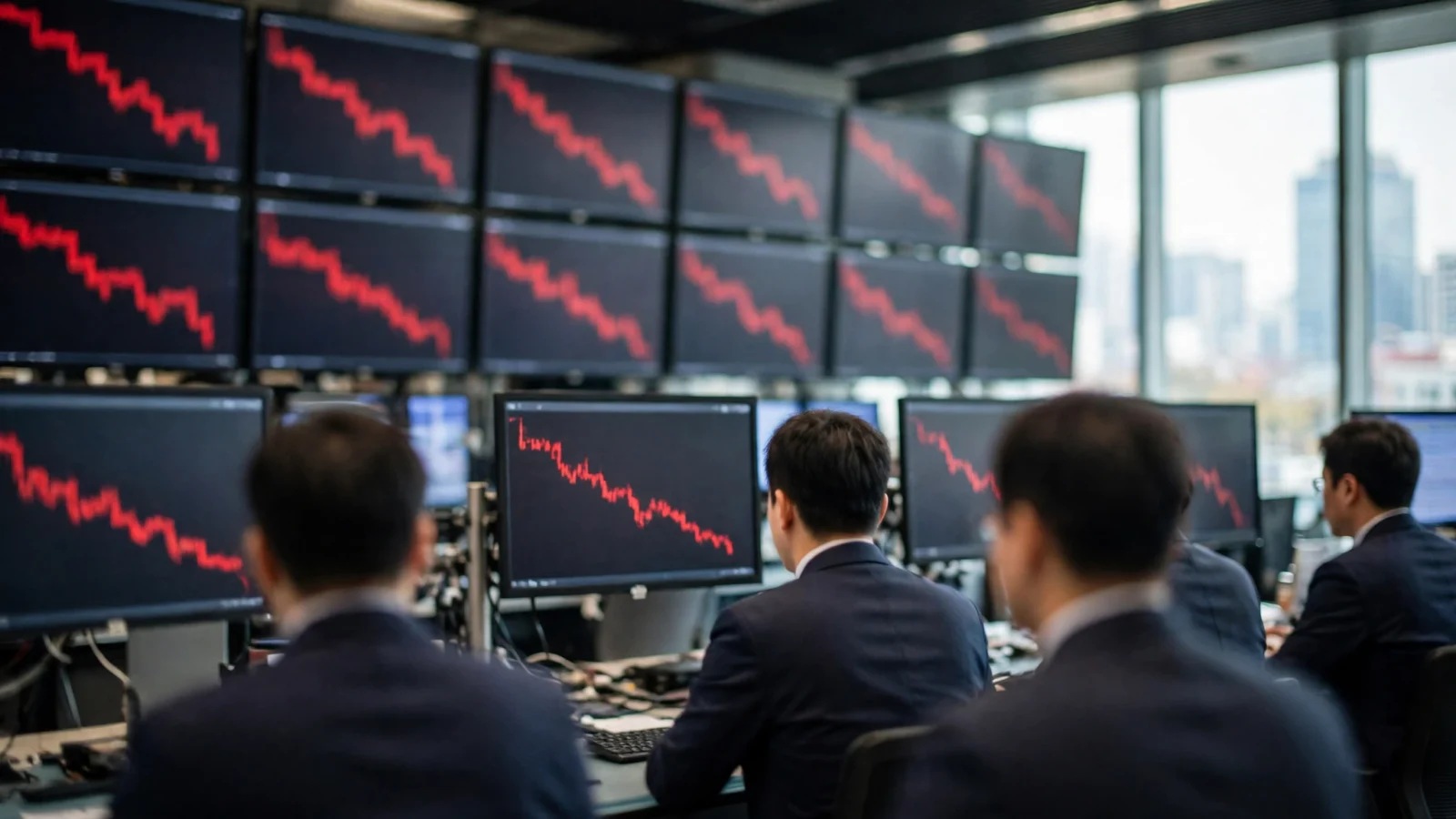
South Korea’s benchmark KOSPI index fell more than 5 percent during Monday’s session, and the Korea Exchange halted program trading for five minutes, as the global sell-off in artificial intelligence and semiconductor stocks reached Asia.
The index fell as much as 5.4 percent during the session and was down about 21 percent from its November 2 close at its intraday low, according to Seeking Alpha. It closed down about 3.3 percent at 4,708.54, according to CryptoNews. On Friday, it had fallen 5.21 percent to 4,869.96, its first close below 4,900 in about 10 months.
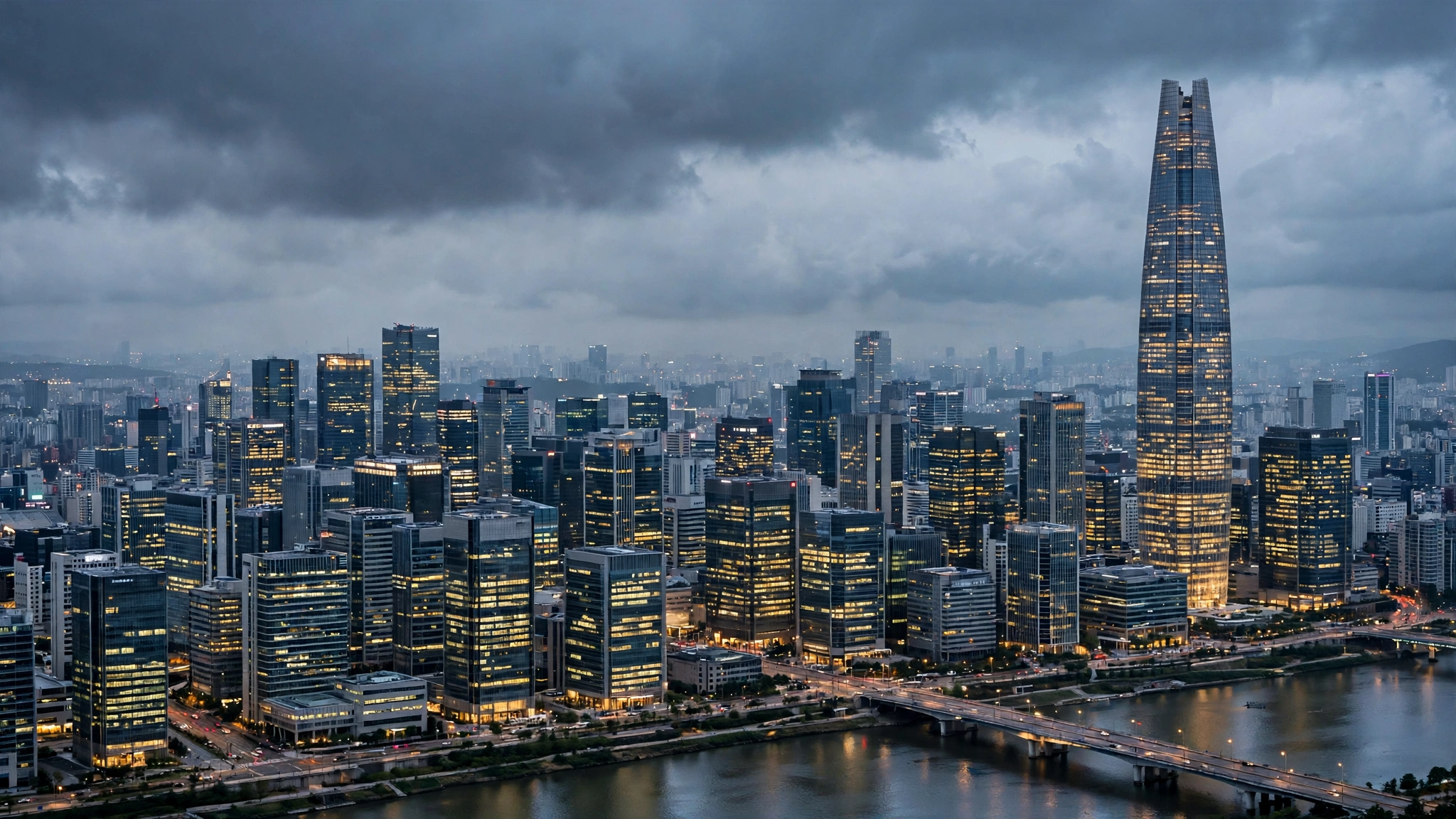
The Korea Exchange triggered a sell-side sidecar at 11:33 a.m. local time, suspending program trading for five minutes. The curb is triggered when KOSPI 200 futures fall 5 percent or more for at least one minute. Monday was the second straight session the measure was used.
Samsung Electronics fell nearly 6 percent at one point during the session, and SK hynix lost about 6 percent, as investors sold semiconductor shares. Over the past month, Samsung has fallen about 20 percent and SK hynix about 18 percent, according to Seeking Alpha.
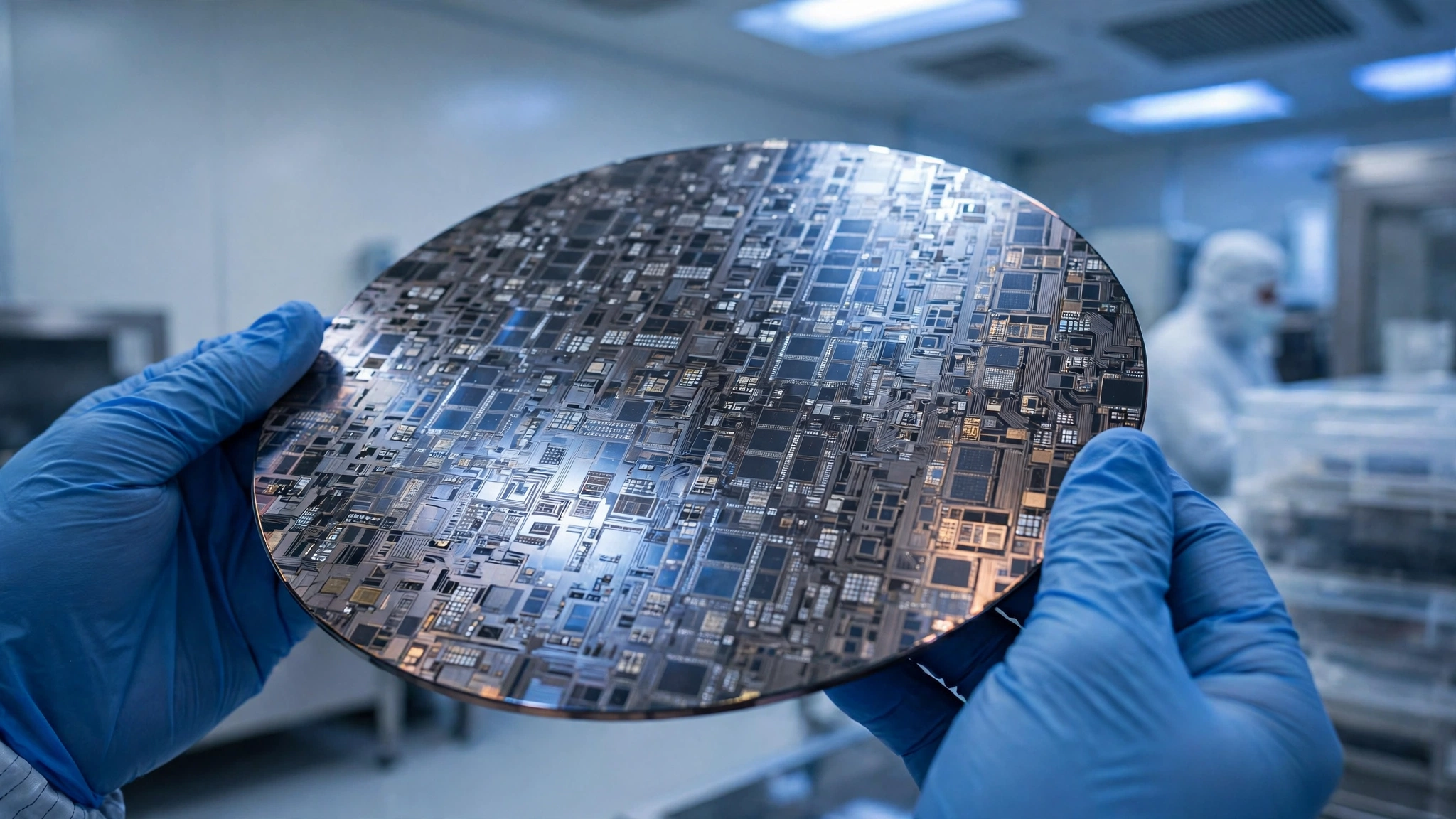
The selling followed a sharp drop in United States technology stocks on Friday, when the Nasdaq fell 5.28 percent. Investors have grown doubtful about the returns on heavy spending on artificial intelligence infrastructure and about tighter United States export rules for advanced chips, according to Seeking Alpha. Friday’s sell-off on Wall Street wiped out the Nasdaq’s gains for the year.
Seoul moves to steady the market
South Korea’s government said it is preparing a 10 trillion won stabilization fund, about $6.8 billion, and will ease limits on daily share buybacks by listed companies for three months starting November 24. Regulators will also step up surveillance of illegal short selling and watch margin loans and forced liquidations.
Finance Minister Lee Hyoung-il said Monday that the government would deploy stabilization funds at once if conditions worsened. He said the economy could still grow in the upper 3 percent range next year, with exports and investment supporting domestic demand. He also warned that regulation of artificial intelligence, geopolitical tension and rising global interest rates remain risks.
Foreign investors have sold more than 222 trillion won of Korean shares this year, about $166 billion, according to CoinPedia. The index is now close to giving back all of its gains for the year, CoinPedia reported.
Reporting based on coverage by Korea JoongAng Daily, Seeking Alpha, Reuters, CoinPedia and CryptoNews.