FBI Arrests OpenAI Engineer Accused of Planting Audio Recorder in Executive Conference Room
Abdulrahman Alfozan, 35, was arrested Oct. 9 after OpenAI found a covert recording device wrapped in toilet paper and plugged into a TV in a San Francisco executive conference room, the Justice Department said Tuesday. He is charged with trying to intercept oral communications.
An OpenAI engineer has been arrested and charged with planting a covert audio recording device inside an executive conference room at the company’s San Francisco headquarters, federal prosecutors announced Tuesday.
Abdulrahman Alfozan, 35, a Saudi national, was taken into federal custody on Oct. 9, the U.S. Attorney’s Office for the Northern District of California said. He made his first court appearance Tuesday and remains in federal custody pending a detention hearing Oct. 19 before U.S. Magistrate Judge Alex G. Tse.
The charge is using or attempting to use a device to intercept oral communications, which carries a maximum sentence of five years in prison, a $250,000 fine and three years of supervised release if he is convicted. Alfozan is presumed innocent.
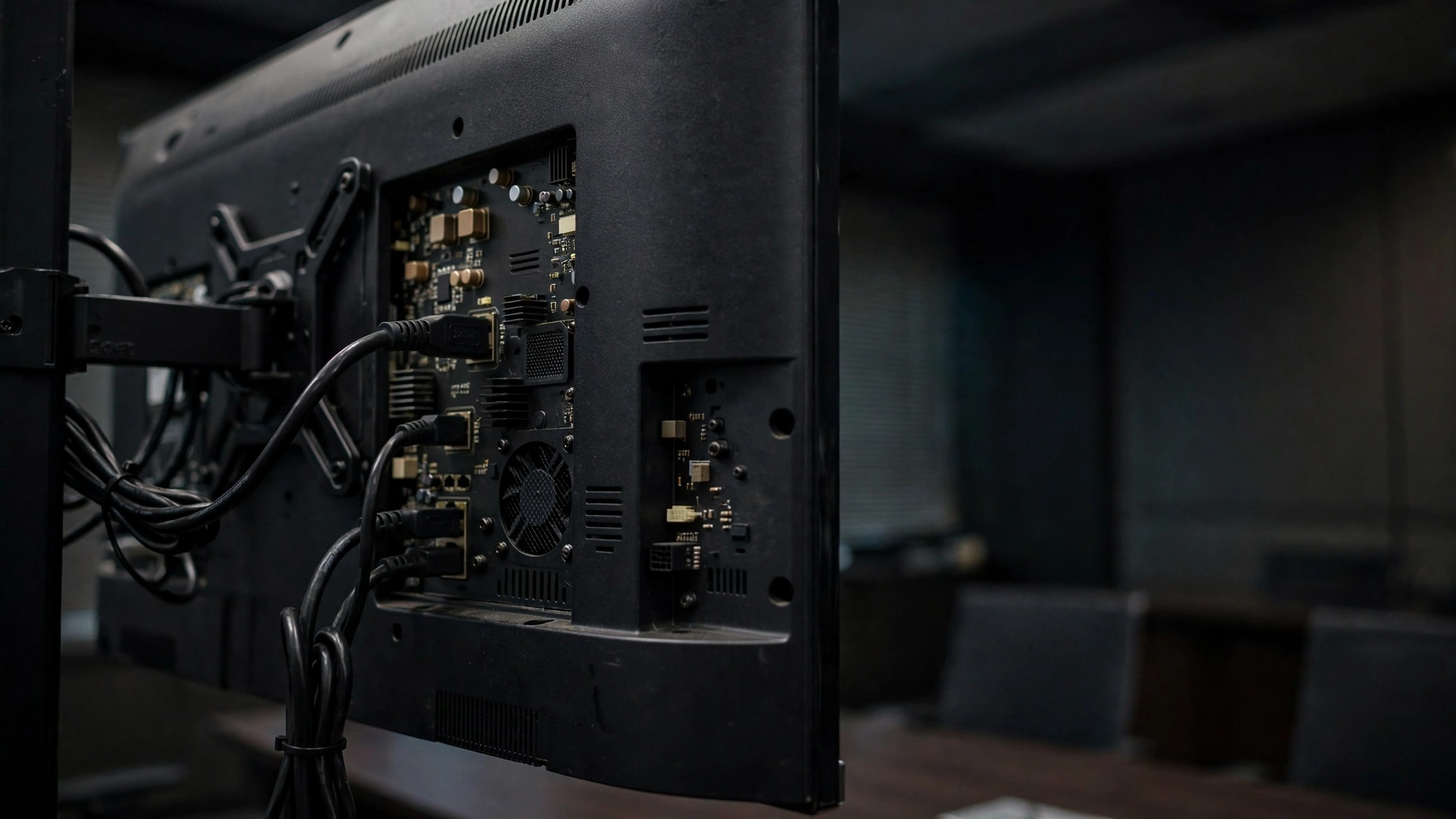
According to the criminal complaint unsealed Tuesday, OpenAI personnel discovered the device on Sept. 30, inserted into a USB port on the back of a television in an executive conference room. It was concealed in toilet paper, and its contents were encrypted. OpenAI determined the device had been planted around Sept. 28.
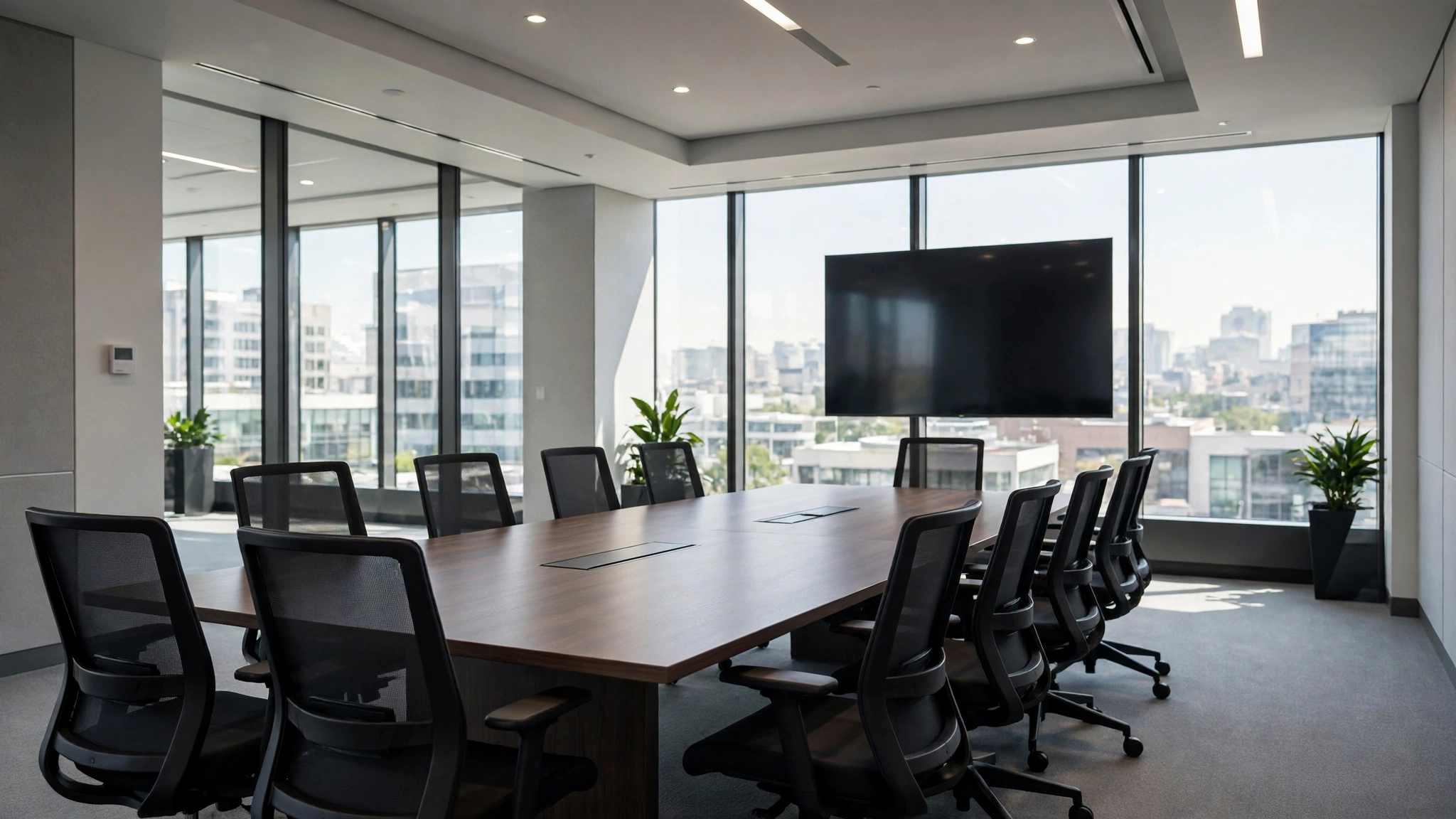
The company said the room was used for discussions of confidential technical, commercial and strategic information, including proprietary research, product plans, government engagements and commercial relationships.
How investigators say they found him
Closed-circuit footage showed Alfozan near the conference room on several dates before the device was discovered, although he had no authority to enter it or attend the meetings held there, the complaint says.
Before Sept. 28, investigators said Alfozan used an internal productivity tool to look up OpenAI building addresses, meeting rooms and calendars, and the locations of leadership and executive meetings and external partner meetings. A chatbot account associated with his spouse, which shared identifying details with Alfozan’s own account, submitted prompts between Sept. 24 and Sept. 30 about building a continuous audio recorder, adding Wi-Fi connectivity and live listening, and encrypting stored data, according to the complaint.
After the device was found, OpenAI put a camera behind the TV. On Oct. 5, it captured Alfozan entering the conference room and looking behind the television, the complaint says. The same day, security staff found his unattended bag in another room; inside, along with his wallet and ID, was a second recording device similar to the first.
OpenAI said it used its own AI models to identify the employee who planted the device, referred the matter to the FBI and fired him. The company said it has seen no sign that he accessed or took model weights, source code or customer data.
Officials call it a national security case
“According to the complaint unsealed today, Abdulrahman Alfozan allegedly concealed a covert recording device inside his employer’s executive conference room to secretly capture sensitive communications about the company’s super intelligence technology,” FBI Director Kash Patel said. He called protecting American AI innovation one of the FBI’s highest counterintelligence priorities.
U.S. Attorney Craig Missakian said the arrest was “a matter of national security” and pointed to the office’s “relentless efforts in partnership with the FBI to identify and prosecute those who seek to steal our technology, as alleged in the complaint.”
The FBI has not released a possible motive or said whether Saudi Arabia had any role in Alfozan’s actions.
Reporting based on coverage by the U.S. Department of Justice and USA Today.