Meta Launches Muse Wonder, Its First Frontier AI Models to Rival OpenAI and Anthropic
Meta's Superintelligence Labs released Muse Wonder and Muse Wonder Full on Monday, models built for agentic tasks with Active Memory and Active Focus features. Independent testing by Artificial Analysis ranks Wonder Full second overall, behind Anthropic's Claude Opus 5.5.
Meta released Muse Wonder and Muse Wonder Full on Monday, the most capable AI models yet from its Superintelligence Labs, in the company’s first direct attempt to match OpenAI and Anthropic at the top of the model race.
The models are built for agentic work, with AI systems carrying out multi-step tasks for users, and mark a change in direction for Meta, whose earlier Muse Spark releases were designed for speed and low cost rather than peak capability, according to The Tech Portal.

Scores land near the top, not on it
On the independent Artificial Analysis Intelligence Index, Muse Wonder Full scored 56, second only to Anthropic’s Claude Opus 5.5 at 58 and tied with Claude Sonnet 5.5. The smaller, API-facing Muse Wonder scored 52, roughly even with Claude Fable 5.1 and OpenAI’s GPT-6 Astra at about 53.
Meta also published its own test results. On a coding benchmark called SWE-Marathon, Wonder Full scored 57.5 against 46.3 for Opus 5.5 and 42.5 for Astra. Meta itself added the caveat that the comparison was not controlled: its model ran at maximum effort, which gave the flagship every resource advantage while rivals ran at standard settings.
Memory and persistence over raw scores
Meta says the models’ real bet is memory. A feature called Active Memory carries what a user told the model in one conversation into later ones, while Active Focus keeps an agent working through hard goals, trying new approaches and checking in with the user before taking consequential steps.

Chief AI officer Alexandr Wang framed the design goal around agents that do not give up when a real-world task gets messy, saying the team trained the models to try other approaches instead of stalling and to check back with the user along the way.
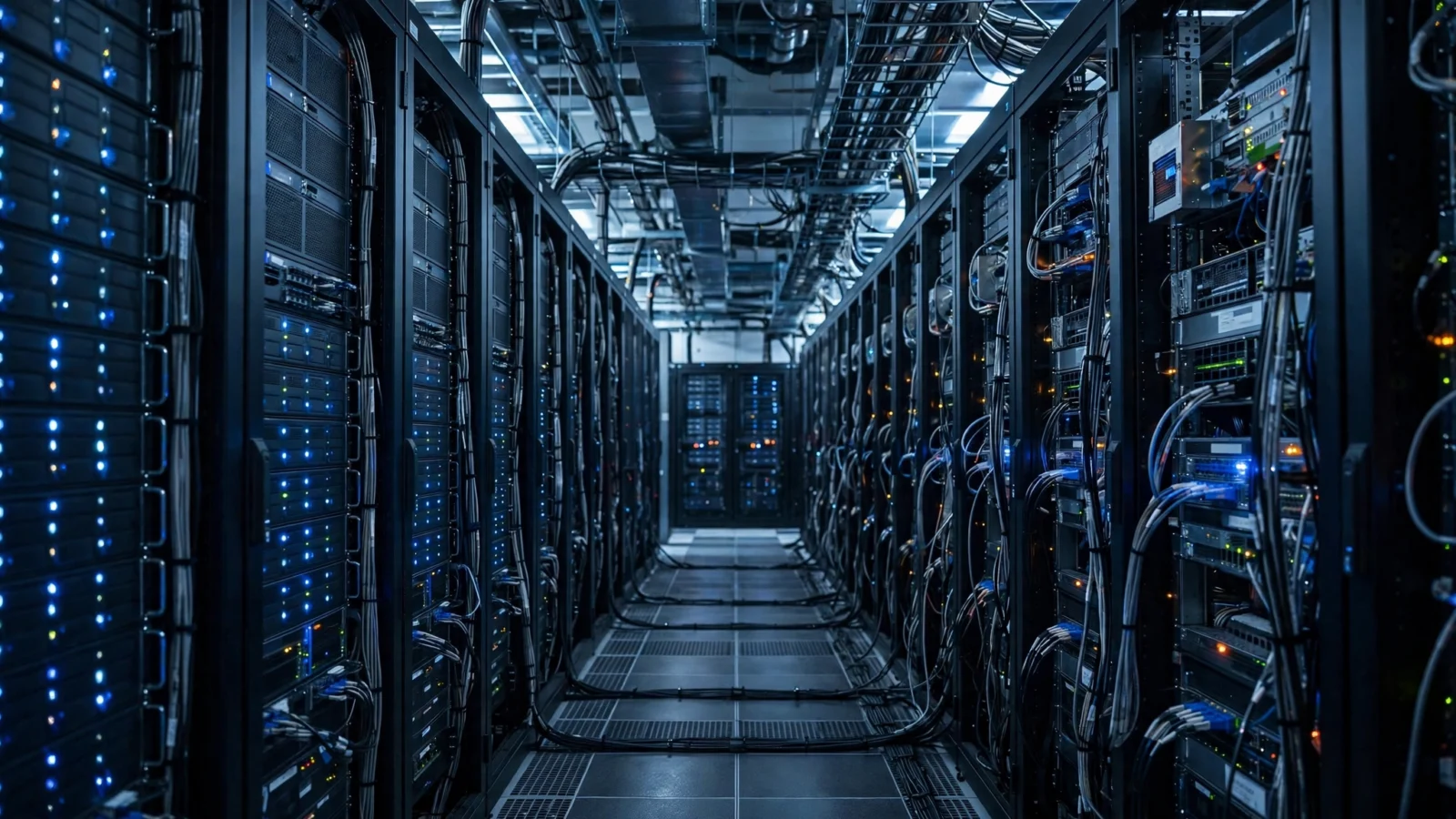
The models were trained at Meta’s Prometheus data center in central Ohio, which came online earlier this year, the physical result of the infrastructure spending chief executive Mark Zuckerberg has spent the year defending to investors. The project traces back to Wang’s overhaul of Meta’s AI efforts in August of last year.

The launch also changes how Meta charges. Access to Muse Wonder through the Muse personal agent app requires a monthly subscription at $20 or $100, while Wonder Full is available through Meta’s coding tool at $50 and $200 a month. Developers can reach the smaller model through the Meta Model API at $4 per million input tokens and $20 per million output tokens, but the flagship version is not broadly sold by the token. CNBC characterized the release as part of Meta’s push to build AI-derived revenue outside its core advertising business.
Reporting based on coverage by The Tech Portal.