Supreme Court Declines Zillow Appeal, Investor Class Action Over Failed Home-Flipping Business Moves Ahead
The Supreme Court declined Monday to hear Zillow Group's appeal in an investor class action over its shuttered Zillow Offers business, leaving in place a lower-court ruling that lets the 2021 case proceed in federal court in Washington state.
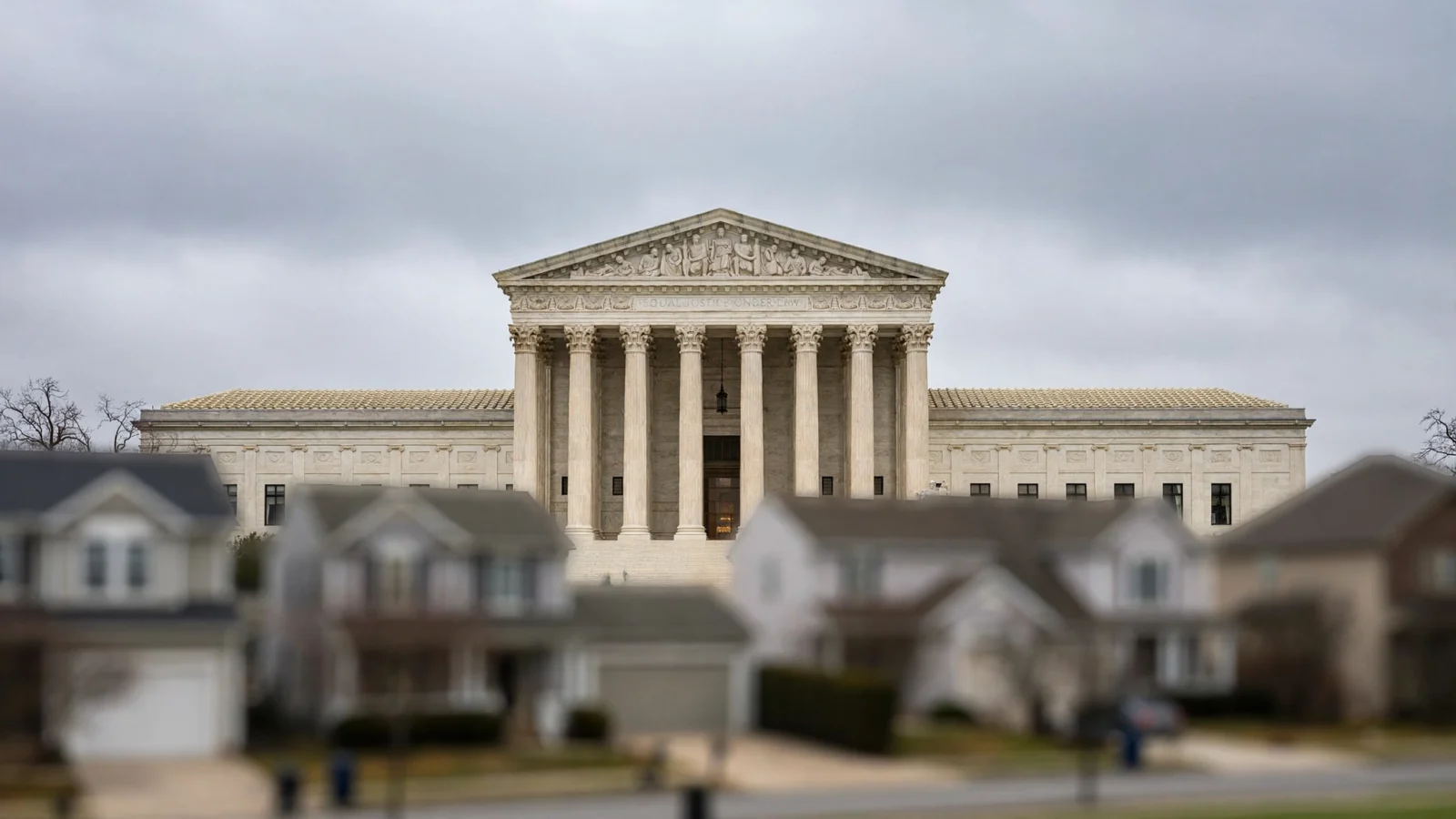
WASHINGTON – The Supreme Court on Monday declined to hear Zillow Group’s bid to escape an investor class action tied to its failed home-flipping business, clearing the way for the case to move forward in federal court.
The justices turned away the Seattle-based company’s appeal of a lower-court decision that allowed the 2021 lawsuit to proceed as a class action in Washington state, according to Reuters. The court offered no reasons, as is typical when it denies review. The decision leaves intact a ruling by the 9th U.S. Circuit Court of Appeals, which last year upheld class certification.
The lawsuit stems from Zillow Offers, the company’s algorithm-driven home-buying unit. In November 2021, Zillow said it would permanently shut the division down after concluding it could not reliably forecast home prices, disclosing a $300 million writedown for the prior quarter and a plan to cut about a quarter of its workforce, according to Reuters. The stock fell sharply on the news. Investors sued, arguing that statements by the chief executive and other leaders in the months before the shutdown had painted an overly upbeat picture of the business.
A fight over what counts as misleading
Zillow denies securities fraud. In court filings summarized by Reuters, the company argues it made a business decision to enter a new line of business, disclosed the risks as it went, and simply saw the venture fail. The legal dispute is narrower than the fraud allegations themselves: it concerns how closely a company’s later corrective disclosures must match its earlier optimistic statements before a court may certify investors as a class.
Cases of this kind are often called price-maintenance cases, because plaintiffs typically argue that earlier statements did not push a stock price up so much as keep it from falling, according to Reuters. The 9th Circuit said Zillow’s November 2021 disclosures revealed new information about how its pricing struggles threatened the business and suggested earlier statements may have obscured how badly the model was misfiring.
Business groups including the U.S. Chamber of Commerce urged the justices to intervene, arguing in supporting filings that the appeals court’s approach departs from Supreme Court precedent and would expose public companies to costly class-action litigation, according to Reuters. Supporters of the lower-court ruling, including the investor plaintiffs led by Jeremy Jaeger, contend the standard applied below was consistent with existing law; the district court certified the class in 2024, and a trial date has been set for Sept. 13, 2027, according to Real Estate News.
What happens next
With review denied, the case returns to the trial court for discovery and pretrial litigation. Zillow can still contest the underlying claims, seek summary judgment, or pursue a settlement; Monday’s order decides only that the class-action vehicle survives. The outcome will be watched well beyond one company. Housing platforms, brokerages and other public firms that made aggressive forecasts during the pandemic-era housing boom face similar investor suits, and the 9th Circuit’s looser matching standard – that a corrective disclosure need only relate to the same general topic as the alleged misstatement – now stands as the governing rule in the nation’s largest federal circuit unless Congress or a future case changes it.
Zillow has faced a separate set of legal challenges this year, including an agent class action over its referral programs that a federal judge allowed into discovery last week. Monday’s Supreme Court action does not affect those cases.
Reporting based on coverage by Reuters and Real Estate News.