Airbnb vs. Hotel: What Changes When You Book a Stay
Airbnb and hotels differ on space, service, fees, and flexibility, and this explainer compares how each stay works so travelers can pick the fit for their trip.

Travelers planning a trip often weigh two different kinds of stays: a hotel room booked through a hotel or a booking site, and a home, apartment, or room booked through Airbnb. The price shown at first can look similar, but what is included, who handles problems, and how much space you get can differ.
The confusion is easy to understand. Both options give a traveler a place to sleep for a set number of nights, both are booked online in advance in most cases, and both charge nightly rates plus taxes. The rest of the stay, from check-in to cleaning to what happens when plans change, follows a different pattern.
How a hotel stay works
A hotel sells rooms in a building run by hotel staff. A guest books a room type, such as a room with one bed or two beds, and checks in at a front desk or, at some hotels, through a self-service kiosk or a phone app. Staff are on site around the clock at many hotels, and they handle check-in, luggage, questions about the area, and problems in the room.
Daily housekeeping is part of the standard hotel pattern, although some hotels now clean rooms every few days or only on request as a way to save water and labor. Rooms usually include a private bathroom, towels, bedding, and toiletries. Many hotels also have shared spaces and services, such as a lobby, a restaurant, a pool, a gym, or a parking garage, and those services are open to guests under the hotel rules.
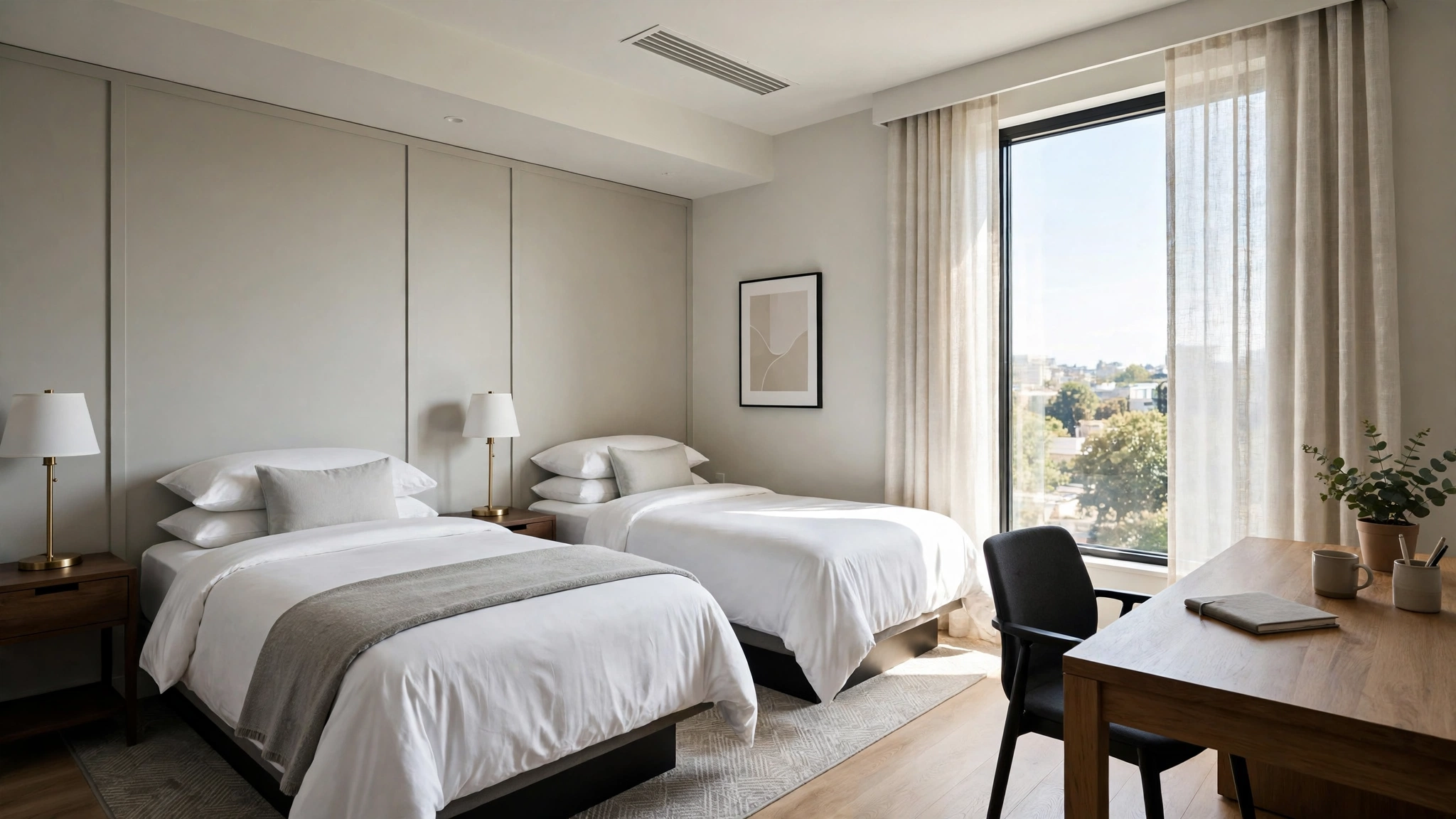
A hotel stay ends with checkout at a set time, often in the late morning. A guest can ask for a late checkout, but the hotel can refuse when rooms are needed for arriving guests. Payment is usually taken by card, and a hotel can place a hold on the card for incidentals such as room service or damage.
How an Airbnb stay works
An Airbnb stay is a booking for a whole home, an apartment, a private room, or a shared space listed by a host. The listing page states the number of guests allowed, the number of bedrooms and beds, the house rules, the check-in method, and the cancellation terms for that stay. Some hosts meet guests in person. Others use a lockbox or a smart lock so guests can let themselves in.
Space is the main difference in daily life. A whole-home or apartment listing often has a kitchen, a living area, a washing machine, and room to spread out. That setup suits families, groups, and longer stays, since guests can cook meals and do laundry instead of eating out for every meal. A private room in a shared home costs less in many markets, but guests share bathrooms or common areas with the host or other guests.

Service works differently from a hotel. There is no front desk. Guests message the host through the Airbnb platform when they need help, and the host or a co-host replies. Cleaning usually happens between stays rather than every day, so guests handle their own dishes, trash, and tidying during the stay unless the listing states otherwise. Checkout often means stripping beds, starting a load of towels, or taking out trash, as set out in the house rules.
Side-by-side comparison
| Airbnb | Hotel | |
|---|---|---|
| What it is | A home, apartment, private room, or shared space listed by a host on the Airbnb platform. | A room or suite in a building run by hotel staff, booked directly or through a booking site. |
| Who can book it | Adults with an Airbnb account and a payment method accepted by the platform. Some hosts set extra guest rules, such as a minimum age or a limit on guest numbers. | Adults with a payment method accepted by the hotel. A photo ID is commonly required at check-in. |
| Costs | Nightly rate plus a service fee, taxes, and, in many listings, a cleaning fee set by the host. The total shown before booking is the figure to compare. | Nightly rate plus taxes. Some hotels add a resort fee, a parking fee, or a fee for breakfast, pets, or extra guests. |
| Pros | More space and a kitchen in whole-home and apartment listings. A wider choice of neighborhoods, including residential streets away from hotel districts. Can suit families, groups, and longer stays. | Staff on site, daily or regular housekeeping, and shared services such as a lobby, restaurant, pool, or gym. Check-in and checkout follow a set routine, and help is in the building. |
| Cons | No front desk. Quality, check-in, and cleaning vary by host and listing. Cleaning fees and house rules add work and cost. Cancellation terms vary by listing. | Less space for the price in many cities, and no kitchen in a standard room. Resort, parking, and extra-guest fees can raise the final bill. Room size and noise vary by building. |
Fees deserve a close read in both cases. On Airbnb, the cleaning fee is charged once per stay, so it weighs more on a short stay than on a long one. At a hotel, a nightly resort fee has the opposite pattern: it grows with each night. In both cases, taxes vary by city and state, and the total at checkout is the only fair basis for a price comparison.
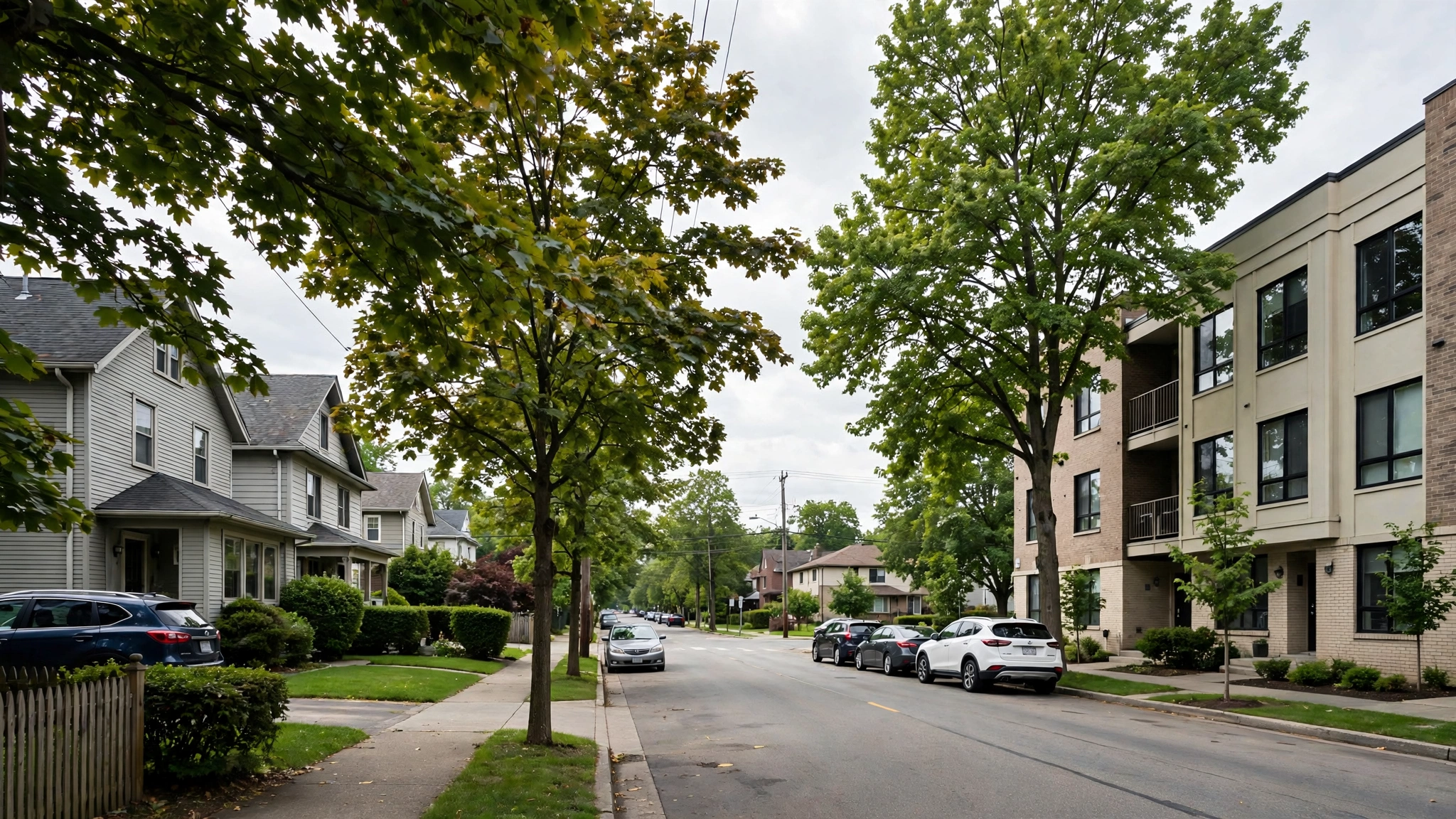
Location also shapes the choice. Hotels cluster near airports, downtown areas, convention centers, and tourist districts. Airbnb listings appear in those areas too, but they also cover residential neighborhoods, suburbs, and rural towns where hotels are few. A stay in a residential area can mean a quieter street and a longer trip to sights, restaurants, and transit.
Verdict
Choose Airbnb if space, a kitchen, and a residential setting matter most for the trip. A family that wants separate bedrooms, a group that wants a shared living area, or a traveler staying a week or more will often get more room for the money in a whole-home or apartment listing, as long as the cleaning fee and house rules are acceptable.
Choose a hotel if service, routine, and a short stay matter most. A traveler on a one- or two-night business trip, a guest who wants daily housekeeping and staff on site, or a traveler arriving late at night will often find a hotel simpler. The set check-in routine, the front desk, and the shared services remove the back-and-forth that a host-based stay can require.
For either choice, read the full terms before paying: the total price with taxes and fees, the cancellation terms, the check-in and checkout times, and, for Airbnb, the house rules and the cleaning fee. Those four items decide most of the difference between a smooth stay and a surprise bill.
Explainer based on stay information published in the Airbnb Help Center and on hotel booking policies published by hotel companies.