Appeals Court Rejects Justice Department Bid to Set Aside 20,000 California Mail Ballots Before District Court Hearing
The 9th US Circuit Court of Appeals ruled 2-1 that it could not act before the district court, sending the dispute over about 20,000 California mail ballots back for a hearing on Tuesday at 4 p.m. ET.
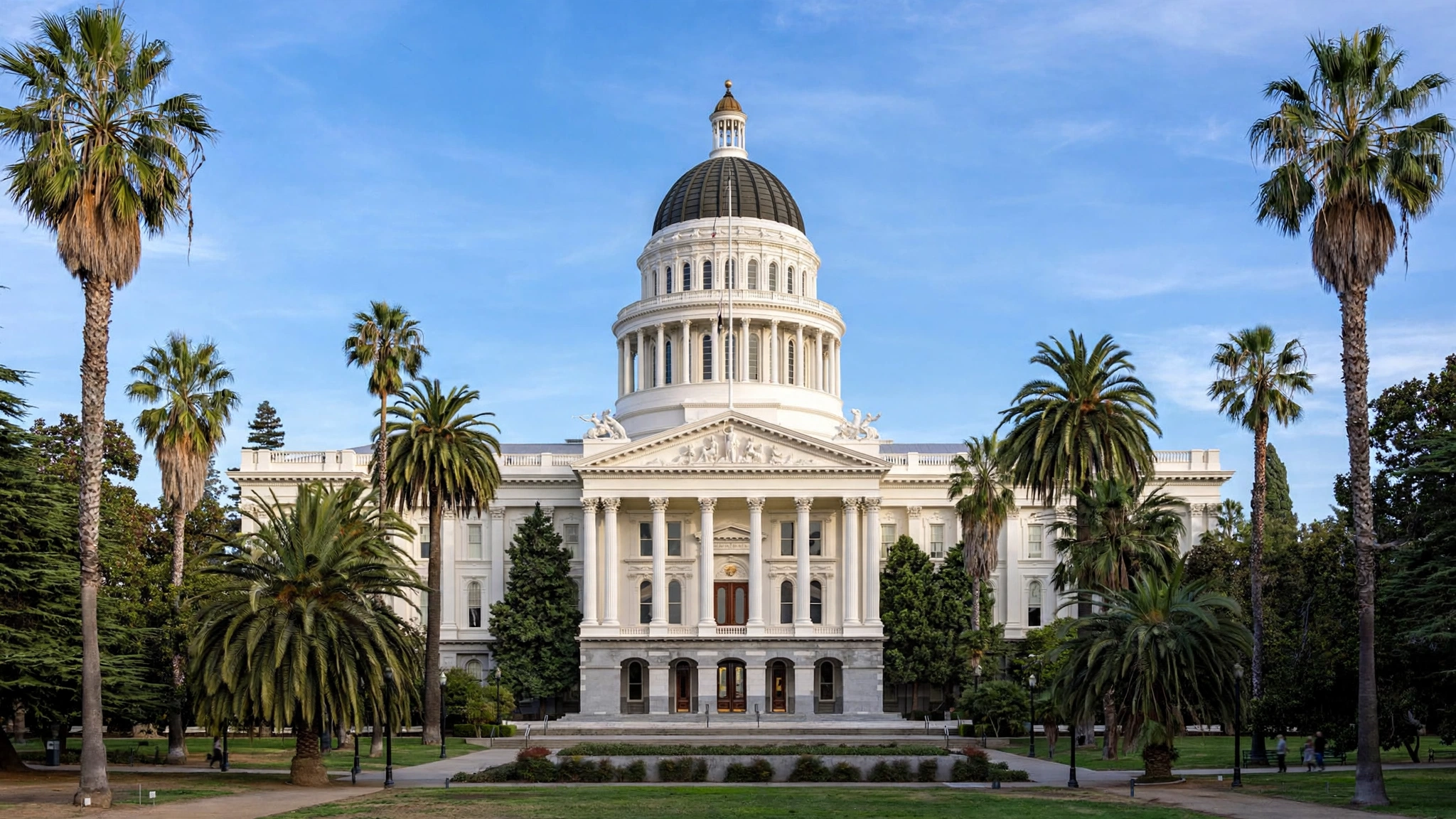
A federal appeals court on Monday rejected the Trump administration’s emergency request to force California to set aside mail ballots from about 20,000 people the federal government says are likely noncitizens. The 2-1 ruling from the 9th US Circuit Court of Appeals sends the case back to a federal district court, where a hearing is set for Tuesday at 4 p.m. ET.
The panel ruled only on whether it could act before the district court. Judges Mark Bennett, an appointee of President Donald Trump, and Gabriel Sanchez, an appointee of former President Joe Biden, said the appeals court did not have the authority to rule on the Justice Department lawsuit before the district court had addressed it. Judge Patrick Bumatay, a Trump appointee, dissented.
The majority wrote that the claimed emergency was, at least in part, one the government had built itself. It pointed to the government’s delay in filing suit, its late grasp of California law on ballot processing, and its late explanation of the relief it wanted.
What the judges said about the voter list
In a concurring opinion, Bennett wrote that if the appeals court had the authority to decide the case now, he would have ruled against the Justice Department on the merits. He wrote that nothing in the federal law at issue takes away the states’ primary authority over election administration, and he warned that the action the department sought might cause hardship for the defendants, risk the disenfranchisement of eligible voters, and put the tabulation process in jeopardy.
Sanchez wrote in a separate concurring opinion that the proposed injunction would change California’s election rules while voting was already underway, and would cause confusion among voters and election officials and divert election administration resources. During Sunday’s hearing, he pressed the department’s lawyer on how the list of 20,000 voters was put together, noting that sworn statements from two Department of Homeland Security officials referred to third-party data or third-party analytics. The department’s lawyer, Matthew Donnelly, said he did not have that information. Samuel Siegel, a lawyer for California, argued that the administration was relying on a voter list that was wildly outdated.
How the case reached the appeals court
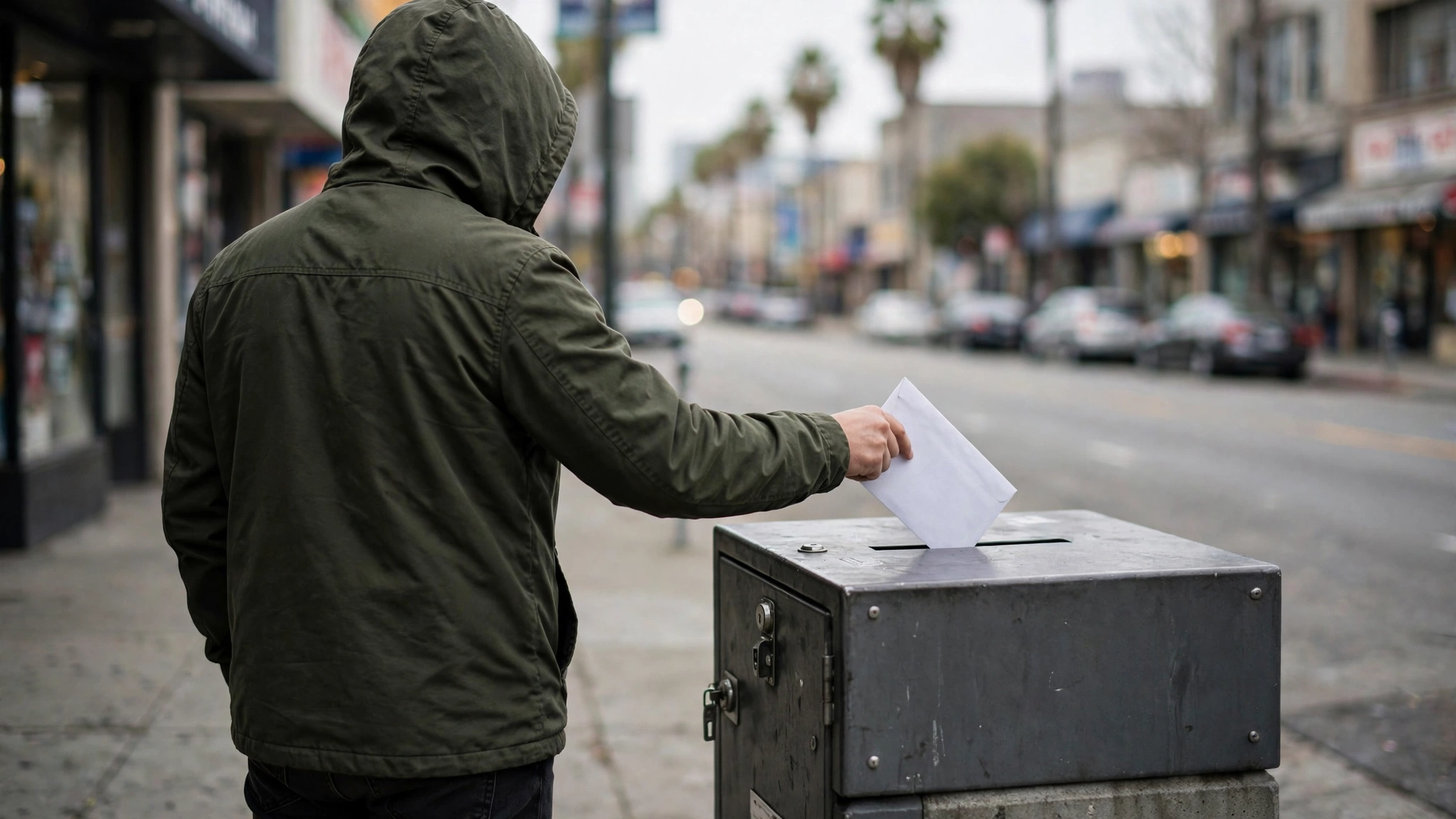
The Justice Department sued California on October 15 in federal court in Los Angeles. It asked a judge to order the state to separate any ballots received from people on its list from the rest of the ballots, and not to count them until it had verified that the people who cast them were citizens. The department had earlier told California counties to segregate mail ballots of suspected noncitizens, warning of criminal liability. After the district court judge did not issue a ruling last week ahead of Tuesday’s hearing, the department appealed to the 9th Circuit, which held an emergency hearing on Sunday by video.
According to Reuters, the California lawsuit was the first time the Trump administration sought to prevent votes from being counted by a state, though it did not say how many of the 20,000 people on the list had actually submitted a mail ballot. Justice Department officials said on October 19 that the list included 28 people who had been criminally charged with illegally voting. California Attorney General Rob Bonta said in a statement on Monday that the court’s order was an important step in efforts to protect Californians’ right to vote and the state’s authority to run fair and secure elections.
In his dissent, Bumatay argued that the federal government must be allowed to stop noncitizens from voting. He wrote that the question was whether the federal government has the power to stop a potential attack on the integrity of elections, and that under federal law and the Constitution, the answer must be yes. The district court hearing on Tuesday will be the next step in the case, and the appeals court has not decided whether the disputed ballots will ultimately be counted.
Reporting based on coverage by CNN and Reuters.