Youth in Crisis Turn to Sports and Movement to Cope, Crisis Text Line Report Finds
In an analysis of de-identified conversations from 2022 to 2024, sports ranked as the third most-mentioned coping resource among texters under 18, behind social connection and making art.
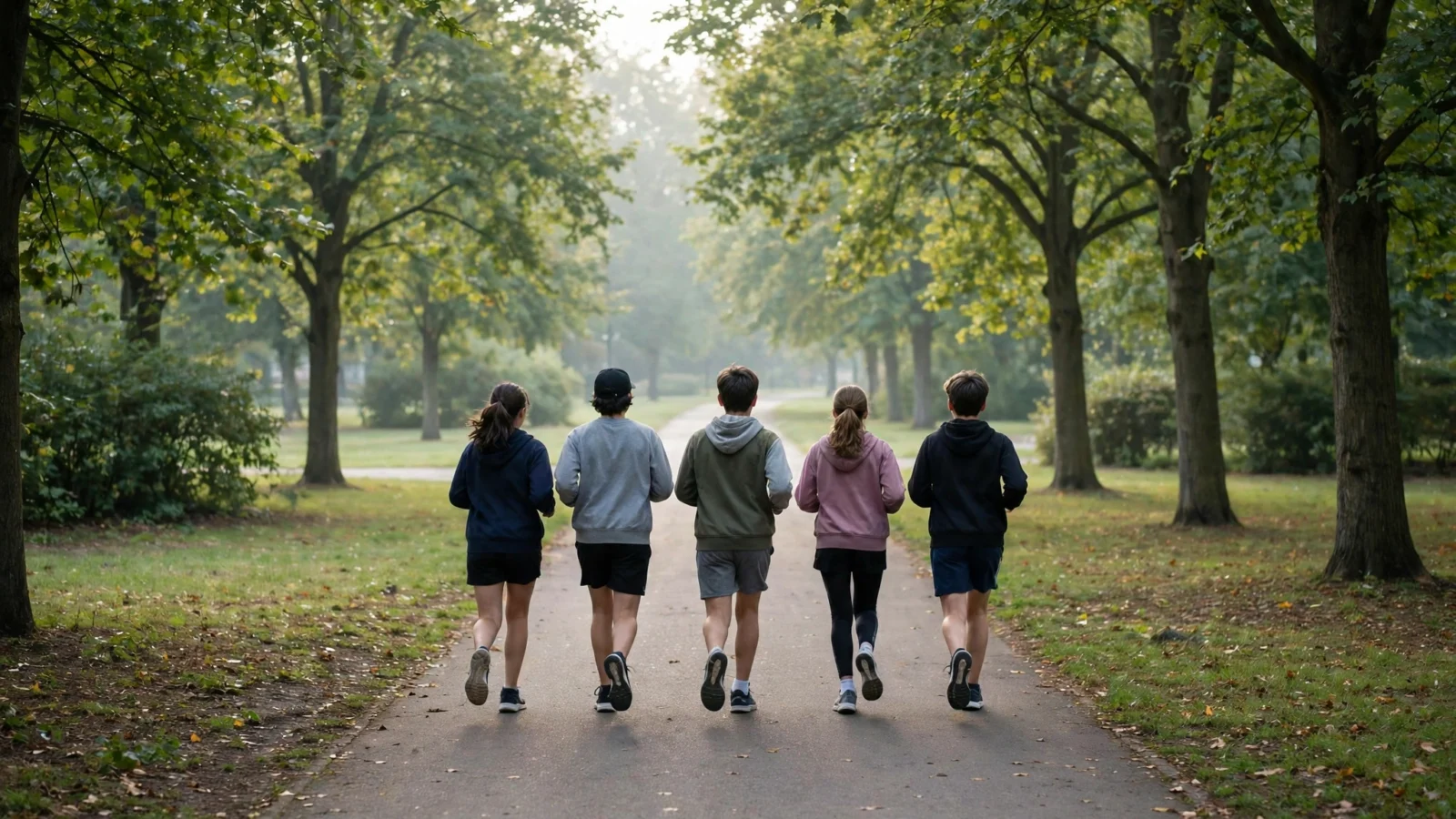
Crisis Text Line released a report on Tuesday, Oct. 27, 2026, that looks at how young people in crisis use sports and movement to cope. The report, titled “Sports as a Coping Strategy for Youth in Crisis,” was researched and produced with funding support from Nike.
The analysis drew on de-identified crisis conversations from 2022 to 2024. Among texters under 18, sports ranked as the third most-mentioned coping resource, behind social connection and making art and ahead of mental health services.
What the conversations showed
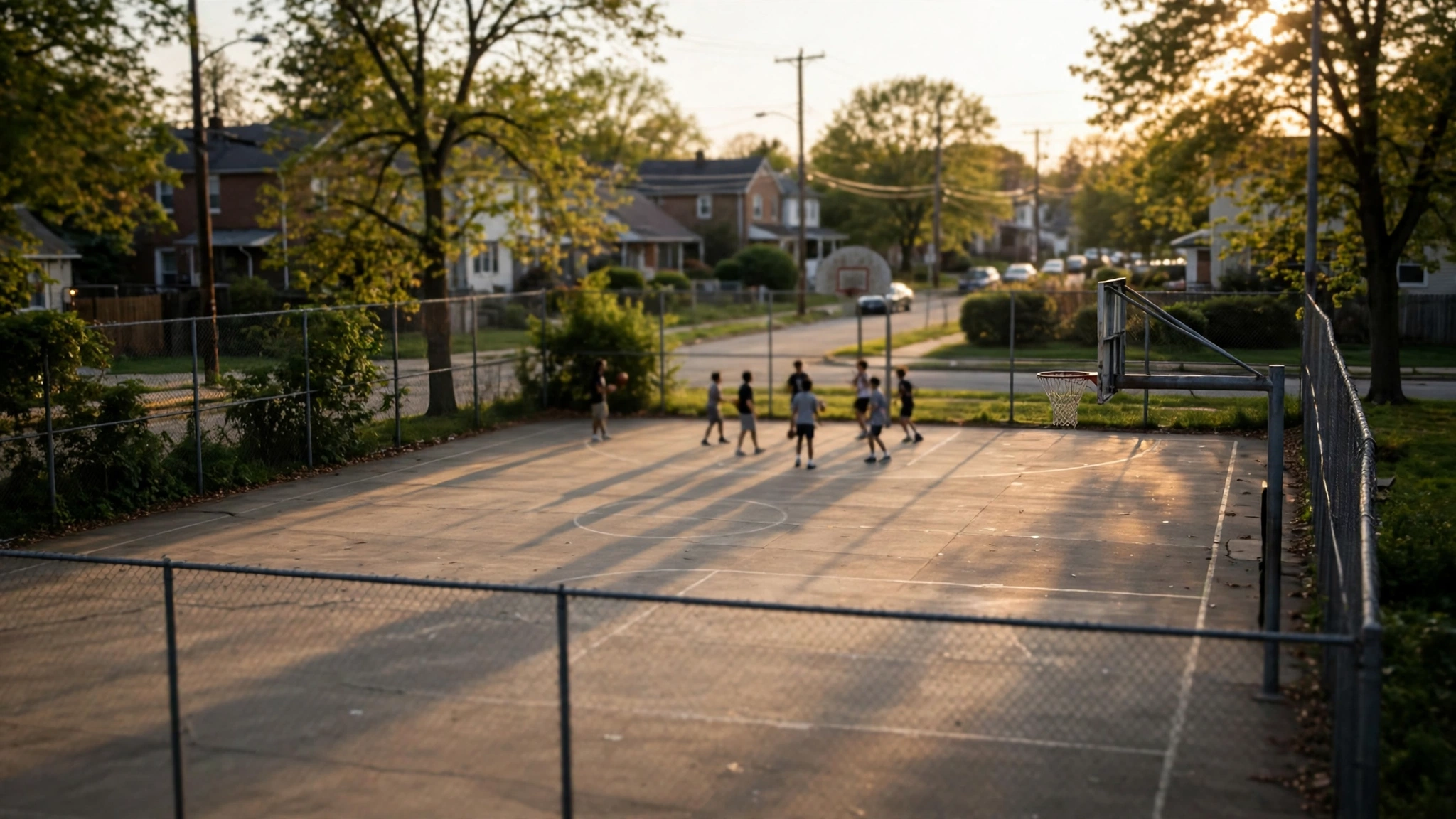
Sixteen percent of young people mentioned sports, walking or outdoor activity as a way to cope at least once, most often in conversations about anxiety, stress, relationships, depression, suicide or self-harm, according to the report.
In 27% of conversations where young people discussed sports, they also mentioned social connection, and in 25% they also mentioned making art. The activities named most often were working out or going to the gym, volleyball, basketball, running and skateboarding.

Young texters who mentioned sports were dealing with heavy problems: among texters under 18, those who mentioned sports discussed anxiety and stress in 38.2% of cases, depression in 37.3% and isolation or loneliness in 23.6%, rates above the Crisis Text Line average.
“In our conversations, our volunteer Crisis Counselors often hear sports and movement come up as something that feels doable and within reach, even in a crisis,” said Tracy Costigan, vice president of impact evaluation and storytelling at Crisis Text Line. “For many young people, going for a run or getting on a team isn’t a replacement for therapy, but it can be a first, accessible step toward feeling okay again and something they can turn to on their own, especially if they don’t have easy access to traditional mental health support.”
Coaches and access to play
The report says sports are not a substitute for professional mental health support, but can sit alongside it, in particular for young men and youth in rural areas who are often outside the reach of traditional care.

Vanessa Garcia-Brito, vice president and chief impact officer at Nike, said a great coach “can create a safe space where every young person feels seen and represented.” Nike and Crisis Text Line have worked together since 2021, when they started a podcast called “No Off-Season” about mental health and athletes. Nike also works with the Center for Healing and Justice Through Sport to train staff and coaches in trauma-informed coaching.
Crisis Text Line provides free, confidential support around the clock in English and Spanish. To reach a trained volunteer Crisis Counselor, text HELLO to 741741, or text HOLA to 741741 for Spanish.
Reporting based on coverage by Crisis Text Line.