Canada and EU Launch Alliance for the Future and Work Toward Canadian Associate Membership
Canada and the European Union launched the Alliance for the Future at their Montreal summit, covering trade, technology, energy, security and student exchanges, and said they will work toward making Canada the EU's first associate member.

Canada and the European Union launched a new partnership, the Alliance for the Future, at their 21st summit in Montreal on October 29 and 30, and said they will work toward making Canada the European Union’s first associate member.
Prime Minister Mark Carney hosted European Council President António Costa and European Commission President Ursula von der Leyen in Montreal. The joint statement said the alliance will cover six areas: trade and regulatory cooperation; digital, research and communications technologies; critical resources and energy; financial services and markets; security and preparedness; and people-to-people ties.

What the two sides announced
The leaders announced more than 20 new measures, according to the Prime Minister’s office. They concluded negotiations on a Canada-EU competition agreement, intended to let Canadian and European authorities act against anti-competitive practices by companies operating on both sides of the Atlantic, and on a digital trade agreement meant to make it easier for Canadian businesses to sell goods and services online across Europe.
Canada also joined the European High Performance Computing Joint Undertaking, which will give Canadian researchers, innovators and businesses access to JUPITER, one of the world’s most powerful supercomputers. Canada is launching negotiations to expand its participation in Erasmus+, Europe’s student and skills exchange program, and the two sides will launch negotiations for Canada to join the next Horizon Europe research program.
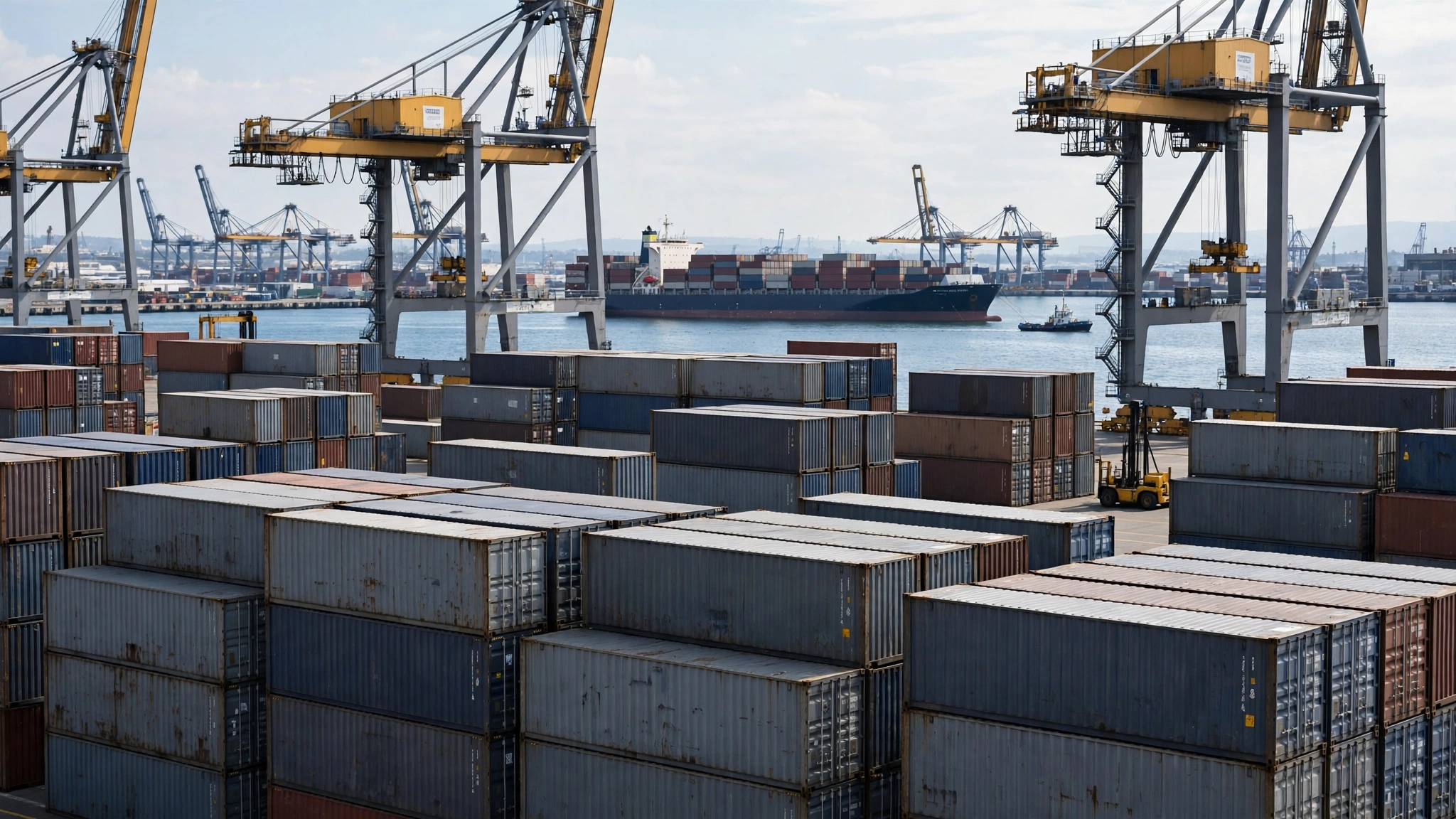
On trade and money, the European Union is Canada’s second-largest trading partner for goods and services, with trade worth about $178 billion in 2025, according to the Prime Minister’s office. Canada and the EU will work to connect their instant payment systems, and a joint working group will look at opening their banking, insurance and fintech markets further to each other.
On defence and energy, Canada announced a contract worth more than $44 million under which Montreal-based Galvion will provide military helmets to Latvia, home to Canada’s largest military presence abroad. That is Canada’s second contract under the EU’s Security Action for Europe instrument, after Montreal-based Marconi was contracted to build radios for Poland’s Cyber Command. Canada also announced up to $2.5 billion in financing for Alberta-based De Havilland to increase waterbomber production capacity.

Canada signed a treaty framework with the European Investment Bank to allow the bank to invest in Canadian critical minerals projects, and the two sides are launching work toward a raw materials stockpiling and investment framework. They will also advance cooperation on IRIS², a satellite system for secure connectivity during crises, and on the EU’s Galileo navigation program. They will study the viability of increased liquefied natural gas exports and take first steps toward a new transatlantic data cable.
A closer association, short of membership
In parallel with the alliance, Canada and the EU are working toward the deepest possible partnership short of accession, with Canada becoming the European Union’s first associate member. The two sides said they will determine the substance, scale and scope of that membership over the coming months, and the European Council said the concept of an ever-closer association of Canada to the EU, short of full membership, is to be defined by the 2027 Canada-EU summit.
The leaders also reaffirmed support for Ukraine and committed to increasing pressure on Russia, according to the European Council. On the Middle East, they agreed on the need for de-escalation, humanitarian assistance and a two-state solution in which Israel and Palestine live side by side in peace within secure and recognised borders. They also committed to deepening cooperation in the Arctic, including through a new dedicated dialogue.
Reporting based on coverage by the Prime Minister of Canada’s office and the European Council.