Colorado Couple Sues Whole Foods and Virginia Oyster Grower After Salmonella Illness From Raw Oysters
Sherry DeCrow of Lafayette, Colorado, says raw oysters bought at a Superior Whole Foods store in June left her ill with Salmonella, in a lawsuit filed as health agencies track a multistate outbreak tied to Virginia oysters.
A Colorado woman and her husband sued Whole Foods and a Virginia oyster company on Friday, saying raw oysters she bought in June left her ill with Salmonella and still testing positive for the bacteria more than four months later.
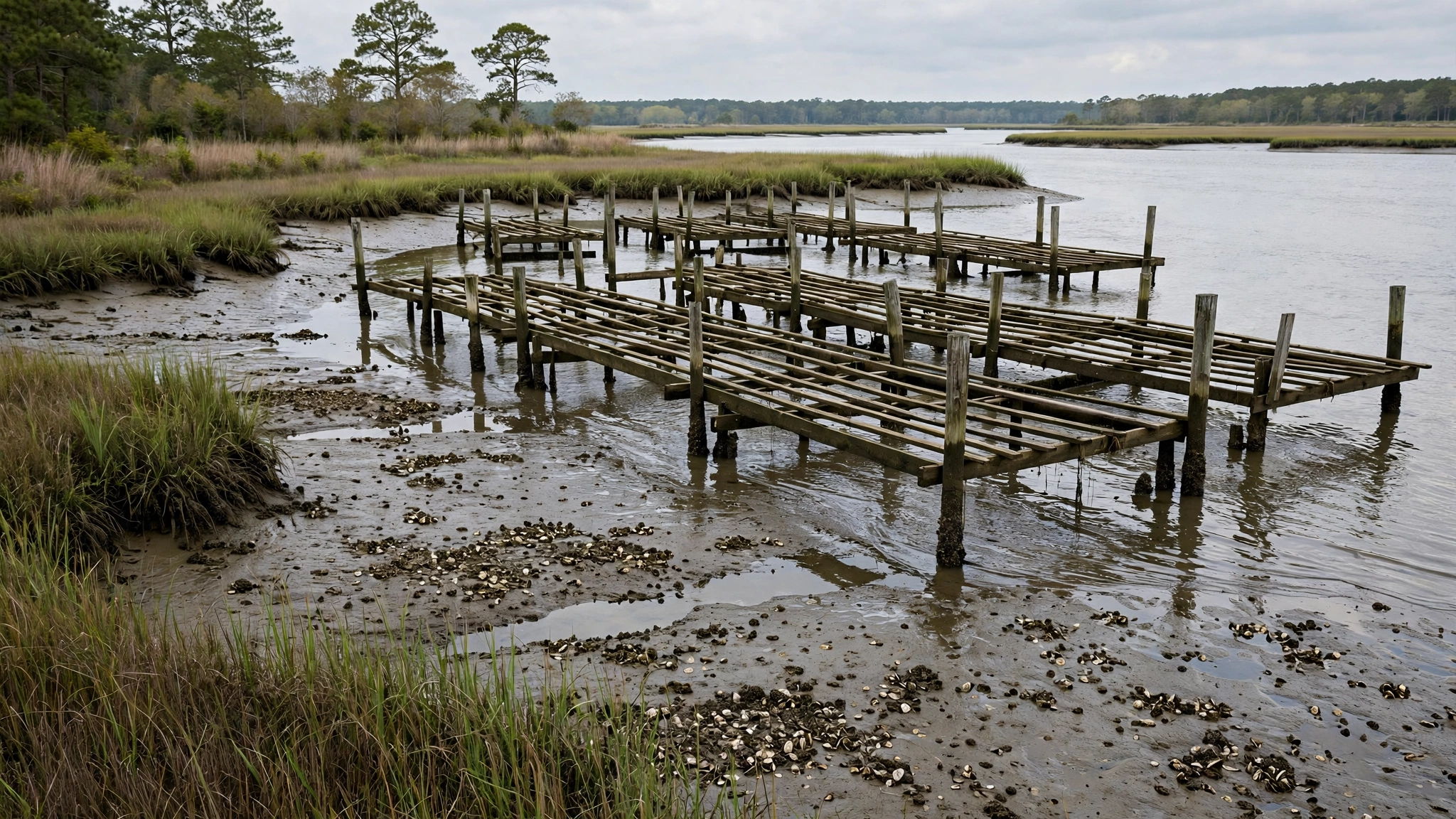
Sherry DeCrow and her husband, John Hadar, of Lafayette, Colorado, filed the lawsuit in the United States District Court for the District of Colorado against Whole Foods Market Rocky Mountain/Southwest, L.P. and The Little Wicomico Oyster Company, LLC of Northumberland County, Virginia. The case arises from a multistate Salmonella Telelkebir outbreak linked to raw oysters harvested from Virginia’s Little Wicomico River, according to the complaint as described by Marler Clark, the food safety law firm representing the couple.
What the complaint says
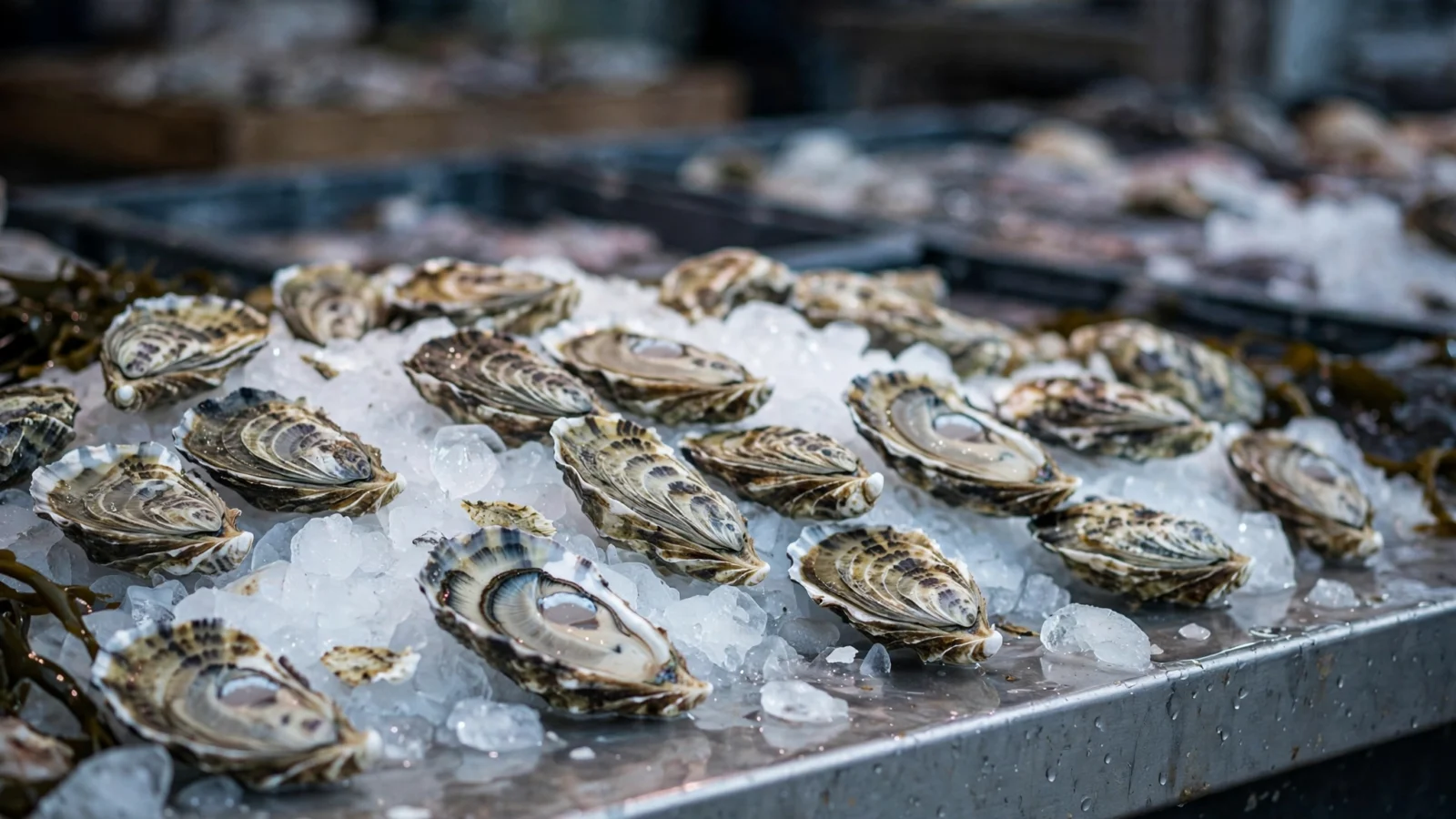
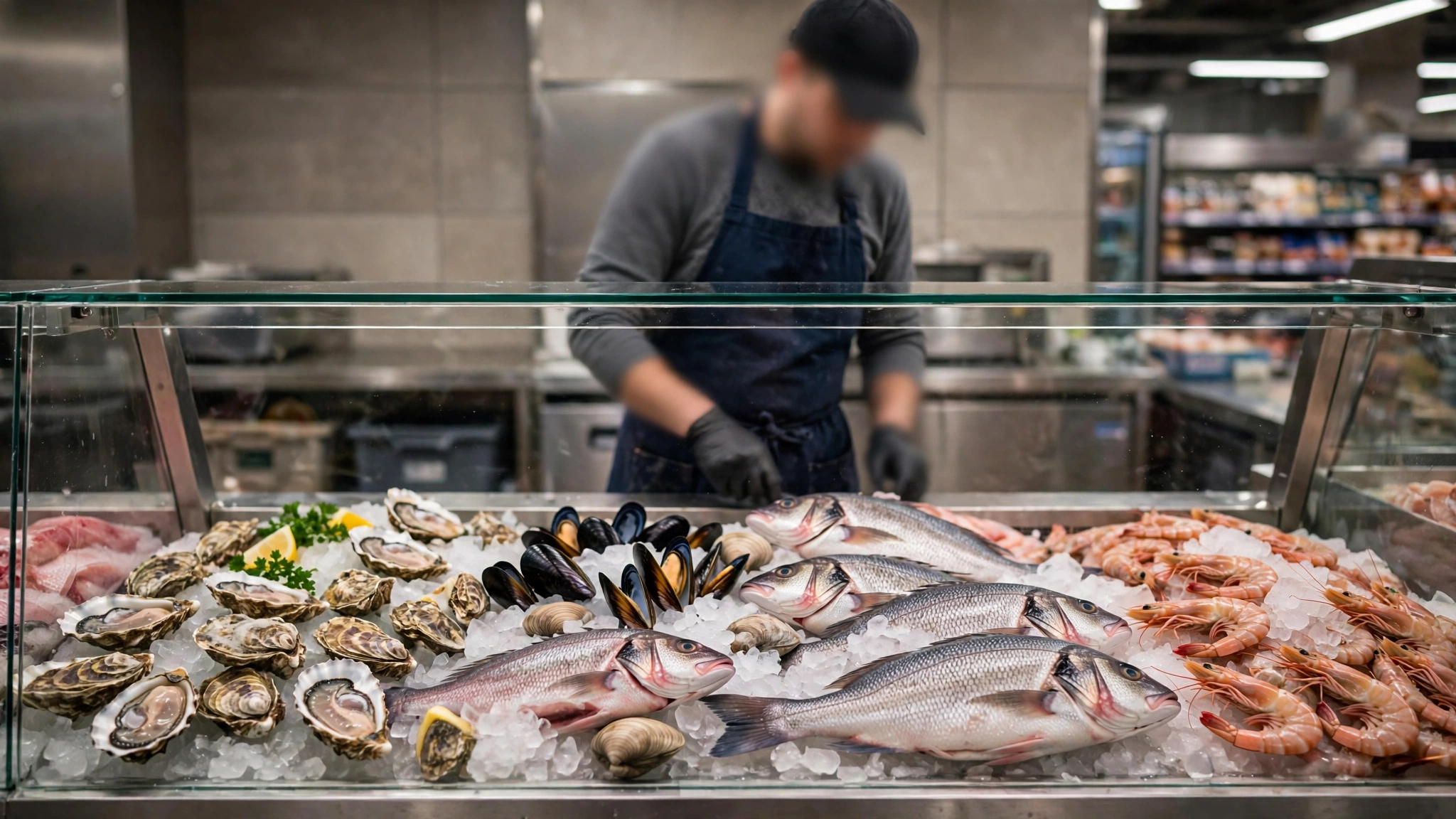
According to the complaint, DeCrow bought a dozen raw Blue Point oysters at the seafood counter of the Whole Foods store at 303 Marshall Road in Superior on June 5, 2026, and ate them that day. Within hours, she became ill with fever, chills, vomiting, diarrhea, and severe abdominal and joint pain. Her stool culture was positive for Salmonella. More than four months later, she is still testing positive, and her doctors are evaluating her for reactive arthritis and other post-infectious complications. Before her illness, she worked as a hardwood flooring installer.
The complaint also alleges that on two occasions, Whole Foods seafood counter employees told DeCrow that raw oysters could be kept and eaten over three to four days.
“Sherry did nothing wrong. She bought oysters from a store she trusted, asked how to handle them safely, and followed the advice she was given,” said William Marler, managing partner of Marler Clark. “Four months later she is still shedding Salmonella and dealing with joint pain that may stay with her for years.”
The complaint asserts claims for strict products liability, breach of implied warranty, and negligence, along with a loss of consortium claim by Hadar. The claims in the complaint are allegations, not findings by a court.
The wider outbreak
On October 19, 2026, the Centers for Disease Control and Prevention and the Food and Drug Administration announced the outbreak, reporting 27 people sick in 12 states, including two in Colorado, with illnesses beginning in late May. The Virginia Department of Health has reported a larger number of 53 people in 18 states. The CDC’s outbreak page, updated October 30, counts 28 people who got sick.
Little Wicomico’s recall covers only oysters harvested from September 18 through October 8, 2026. Recalled oysters were distributed to restaurants and retailers in California, Colorado, Connecticut, Washington, D.C., Florida, Georgia, Illinois, Maryland, Missouri, North Carolina, New Jersey, Nevada, New York, Pennsylvania, Texas, and Virginia, and may have been further distributed. Five people have been hospitalized, with no deaths reported, according to the Marler Clark release.
“The recall window tells you when the problem was caught, not when it started,” Marler said. “People were getting sick from these oysters in May and June. Those oysters were sold and eaten long before anyone told the public to stop.”
The CDC says recalled oysters should be past their shelf life, and that oysters are not being harvested from the Little Wicomico River harvest area at this time.
Reporting based on coverage by PR Newswire (Marler Clark) and the Centers for Disease Control and Prevention.