DoorDash Agrees to Buy Instacart for About $17 Billion in Cash-and-Stock Deal
DoorDash said on Thursday it will buy Instacart for about $17 billion, valuing Instacart at $65 a share. The deal would keep Instacart's brand and app, is slated to close in late 2027 or early 2028, and has already drawn opposition from an anti-monopoly group.
DoorDash said on Thursday it will buy Instacart in a deal valued at about $17 billion, joining a restaurant delivery company with a grocery delivery company in one of the largest combinations in the delivery business in recent years.
The deal values Instacart at $65 a share, according to The Wall Street Journal, an 11% premium to its closing price of $58.42 on Wednesday and about 26% above its closing price of $51.68 on October 22, before published reports that the company was pursuing a sale. DoorDash said Instacart shareholders will have a choice of cash, DoorDash stock, or a mix, with at least 75% of the payment in cash.
What the combination would cover
DoorDash said it expects to keep Instacart’s brand, enterprise technology products, and app after the deal closes. The deal is slated to close in late 2027 or early 2028, according to The Wall Street Journal. DoorDash said it plans to fund the cash portion with cash on hand and debt financing, and that JPMorgan Chase has committed to provide a bridge loan facility for the debt part. The company said it aims to keep investment-grade ratings.
Instacart, whose corporate name is Maplebear, went public in 2023 and had a market value of around $13 billion before The Wall Street Journal reported on Monday that DoorDash was in advanced talks to buy it. DoorDash, meanwhile, has a market value of around $73 billion, according to Reuters. Both companies are based in San Francisco.
DoorDash began as a restaurant delivery company and has since added delivery from retailers. The Wall Street Journal reported that DoorDash already provides food delivery from retailers such as Kroger, Safeway, and Aldi, and has expanded partnerships to brands including Macy’s, CVS, and Target. Instacart’s core business is online grocery shopping and convenience home delivery from retailers.
Why the companies say the deal fits
DoorDash co-founder and chief executive Tony Xu said in a statement reported by CNN: “Grocery is one of the hardest things to get right online. Someone has to pick a ripe avocado, find a substitute you’d choose yourself, and get the ice cream to you before it melts.” He added that Instacart “has spent years learning to do that well for grocers, while DoorDash has built a delivery network and technology that local stores rely on every day.”
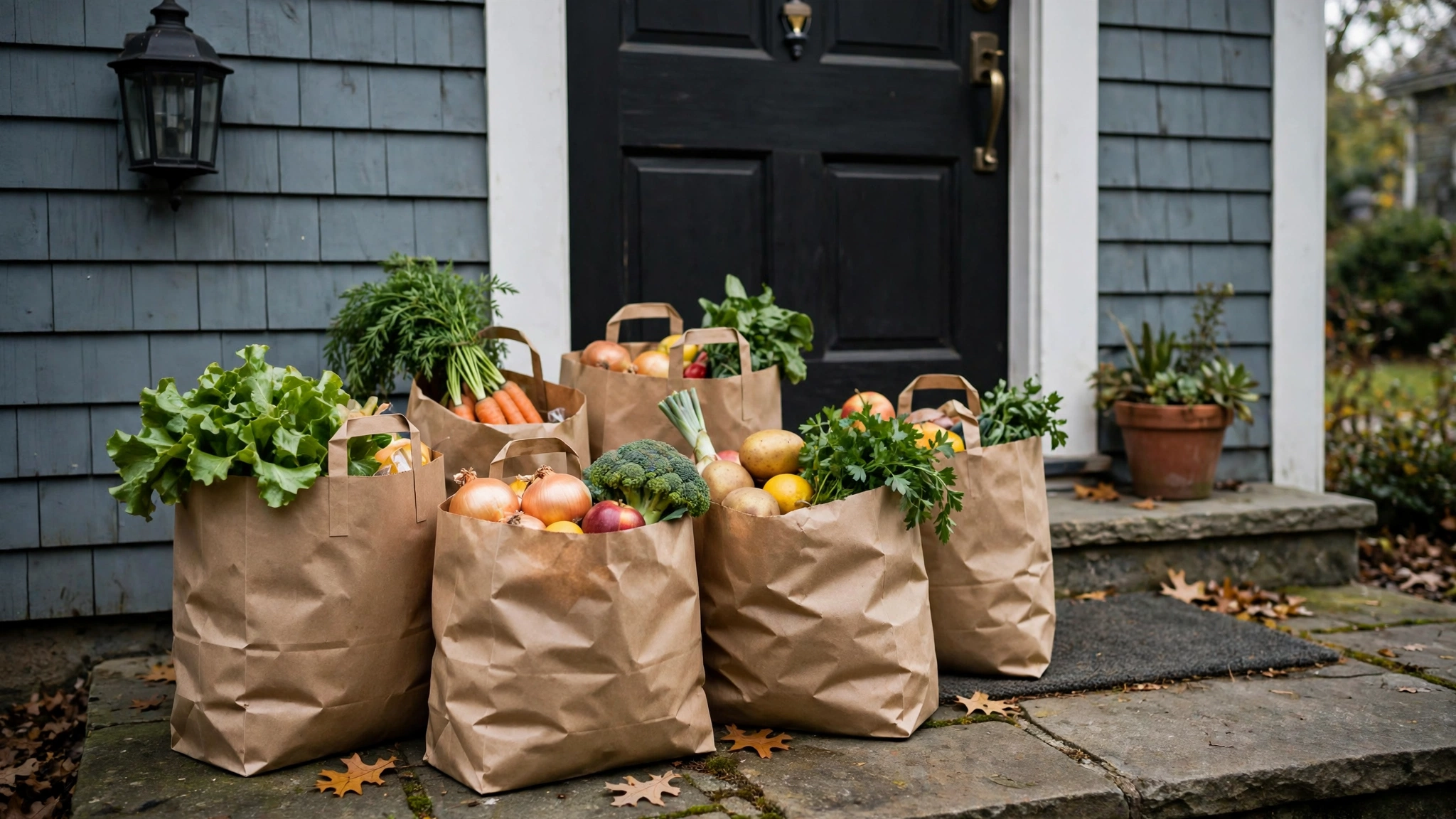
DoorDash said in a press release, according to CNN, that the combined company “will offer grocers and retailers of every size DoorDash’s delivery network and Instacart’s grocery and fulfillment technology.” The companies also said customers would no longer need two membership programs, DashPass and Instacart+, which they said could save customers an estimated $100 million per year on membership fees alone.
The deal has drawn early opposition. The American Economic Liberties Project, an anti-monopoly advocacy group, urged regulators to block it, saying the combination would control nearly 60% of the third-party grocery delivery market, according to CNN. Lee Hepner, senior legal counsel at the group, said in a statement that the merger “represents the next frontier of data-driven abuse, exploiting massive asymmetries of power to squeeze worker compensation on the way in and drain consumer wallets on the way out.”
Reuters reported that heightened competition after a slowdown in orders from pandemic peaks, along with rising cost pressures and scrutiny of gig worker treatment, has driven a series of deals in the industry, including Uber’s $15 billion deal for Delivery Hero earlier this year and DoorDash’s purchase of Deliveroo in 2025. The deal still needs regulatory and shareholder approval before it can close.
Reporting based on coverage by Reuters, CNN, and The Wall Street Journal.