E. coli Outbreak Linked to Chicken Wraps Reaches 50 Cases as FDA Still Withholds Brand Name
The FDA says 50 people have been sickened by E. coli O157:H7 tied to suspected ready-to-eat chicken wraps, but the agency has not named a brand or said where the wraps were sold.
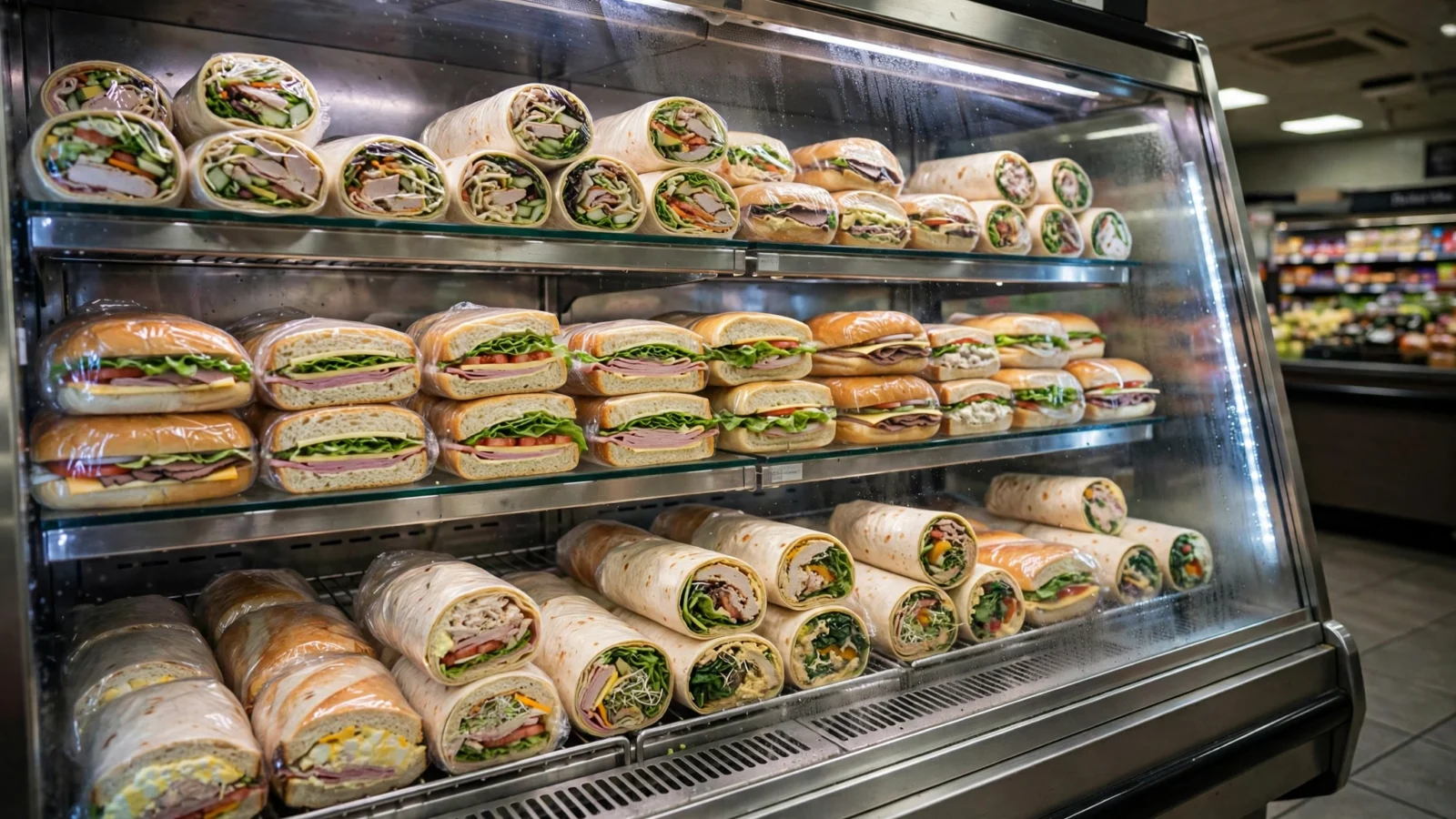
Fifty people have been sickened in an E. coli O157:H7 outbreak linked to suspected ready-to-eat chicken wraps, according to the Food and Drug Administration, which has still not named the brand involved or the region where the wraps were sold.
The agency posted the new count on Oct. 15, up from 38, about three weeks after it first listed the outbreak on Sept. 23. The FDA lists the multi-ingredient chicken wraps as a suspected source, not a confirmed one, and the outbreak is listed as ongoing.
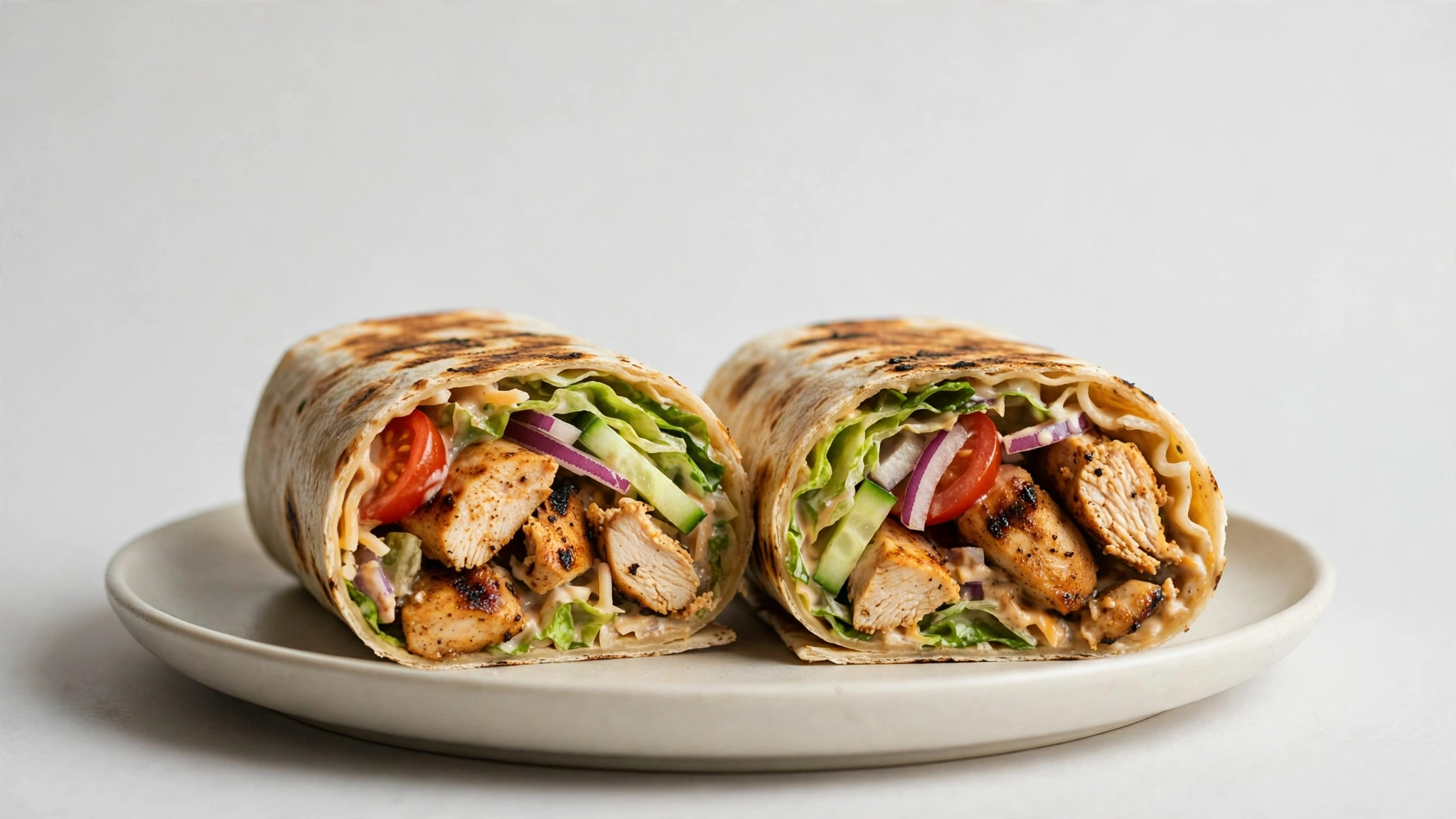
Neither the FDA nor the U.S. Department of Agriculture has reported what brand is involved or where the wraps were sold, Food Safety News reported on Oct. 16. In keeping with its usual practice, the FDA also has not released the patients’ ages or where they live. No recall is listed in the agency’s outbreak table.
The FDA has said the suspect wraps are no longer for sale. According to the agency, the products “were proactively removed from the market before the link to the outbreak was confirmed” and are now past their shelf life, Food Safety News reported. That reduces the chance of new exposures from the wraps themselves but leaves open whether a contaminated ingredient reached other foods.
Investigators look at ingredients
Because the wraps contain chicken, two agencies share the investigation: the USDA’s Food Safety and Inspection Service, which regulates poultry, tracks the outbreak in its own table, while the FDA is responsible for the other ingredients. Investigators have started traceback, on-site inspections and sample collection. The FDA said it is now looking at possible ingredient-level contamination, and the USDA said it is working to determine whether the chicken was used in other products, according to Food Safety News.
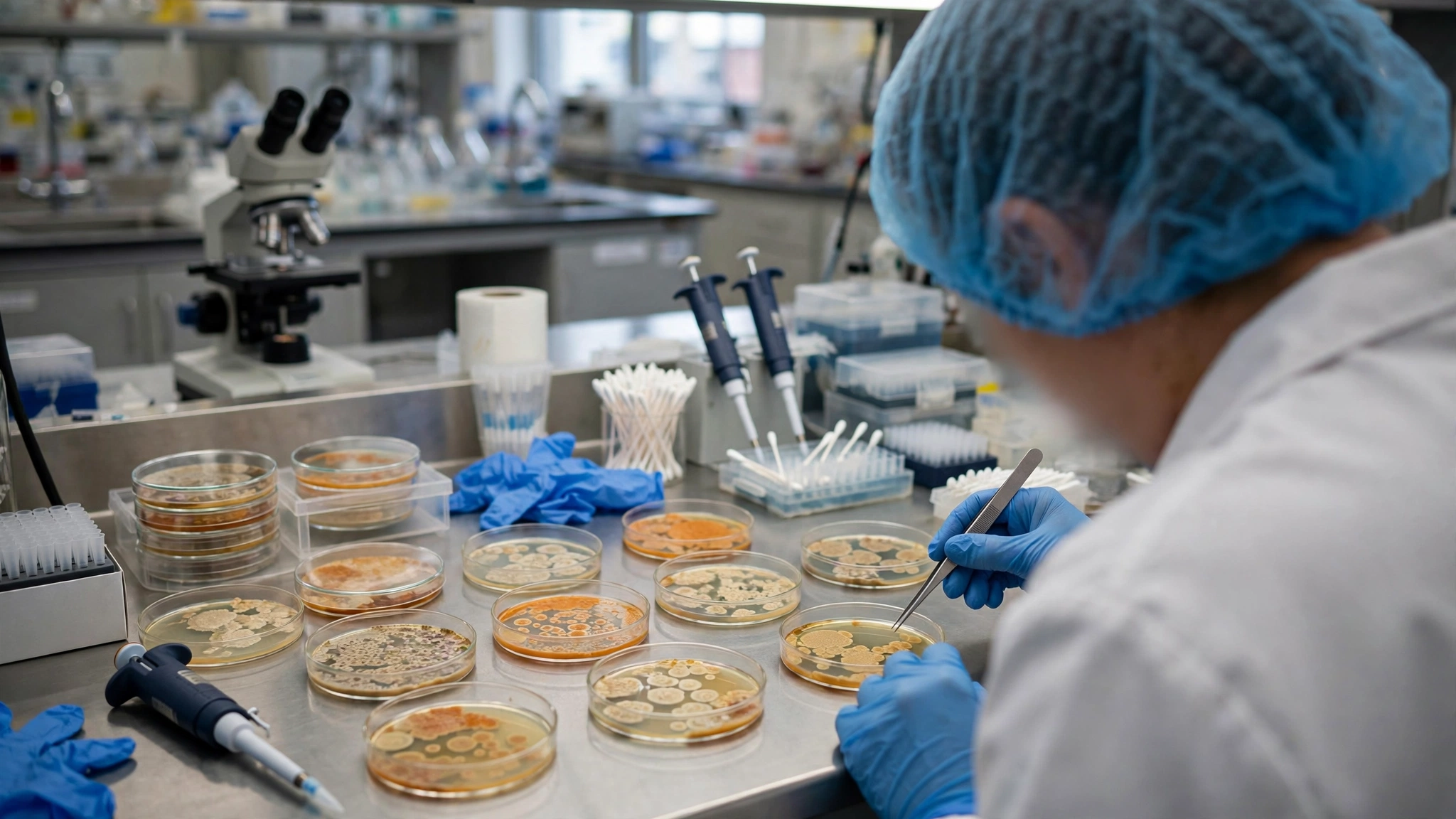
The official count likely understates the outbreak’s true size. The Centers for Disease Control and Prevention estimates that for every confirmed patient in an E. coli outbreak, 26 go undetected, because some sick people never see a doctor and others are not specifically tested.
The FDA said it issues a public health advisory only for investigations that produce “specific, actionable steps” for consumers. No advisory has been posted for this outbreak.
Symptoms and when to get care
Shiga toxin-producing E. coli, including O157:H7, can be especially dangerous for children younger than 5, adults older than 65 and people with weakened immune systems, according to the FDA. Symptoms can start anywhere from a few days to about nine days after eating contaminated food. Most people have diarrhea that can be bloody, along with severe stomach cramps, and some also have vomiting or a low fever. Most infections clear up within five to seven days without medical treatment, the CDC says.

The most serious complication is hemolytic uremic syndrome, or HUS, which can lead to kidney failure. Warning signs include urinating little or not at all, losing pink color in the cheeks and inside the lower eyelids, unexplained bruising or a rash of tiny red spots, and feeling very tired or irritable. The FDA has not reported hospitalizations, HUS cases or deaths for this outbreak.
The CDC advises calling a doctor for diarrhea or vomiting that lasts more than two days, blood in the stool or urine, a fever higher than 102 degrees, or signs of dehydration. People who become sick should tell their clinician what they ate in the week before symptoms began, and keep any packaging or receipts.
Reporting based on coverage by MedicalDaily and Food Safety News.