EU and China Agree to Halve Chinese Hybrid Vehicle Exports to the Bloc
The European Union and China reached an understanding in Beijing on Friday that could cut Chinese hybrid and plug-in hybrid exports to the EU by more than half, as both sides also discussed market access and rare earth licensing.
The European Union and China reached an understanding on Friday that could reduce Chinese exports of hybrid and plug-in hybrid cars to the EU by more than half, according to European Trade Commissioner Maros Sefcovic, who announced the outcome after two days of talks in Beijing with Chinese Commerce Minister Wang Wentao.
Sefcovic described the result as a first step toward rebalancing trade, not a final settlement. EU leaders are set to review the outcome at a summit in Brussels next Thursday. The two sides also discussed better access to China’s market for European goods and smoother Chinese licensing for rare earths and permanent magnets, according to Reuters reporting published Friday. Implementation details, including the baseline and timetable for the export reduction, were not announced.
A fast-growing flow of cars
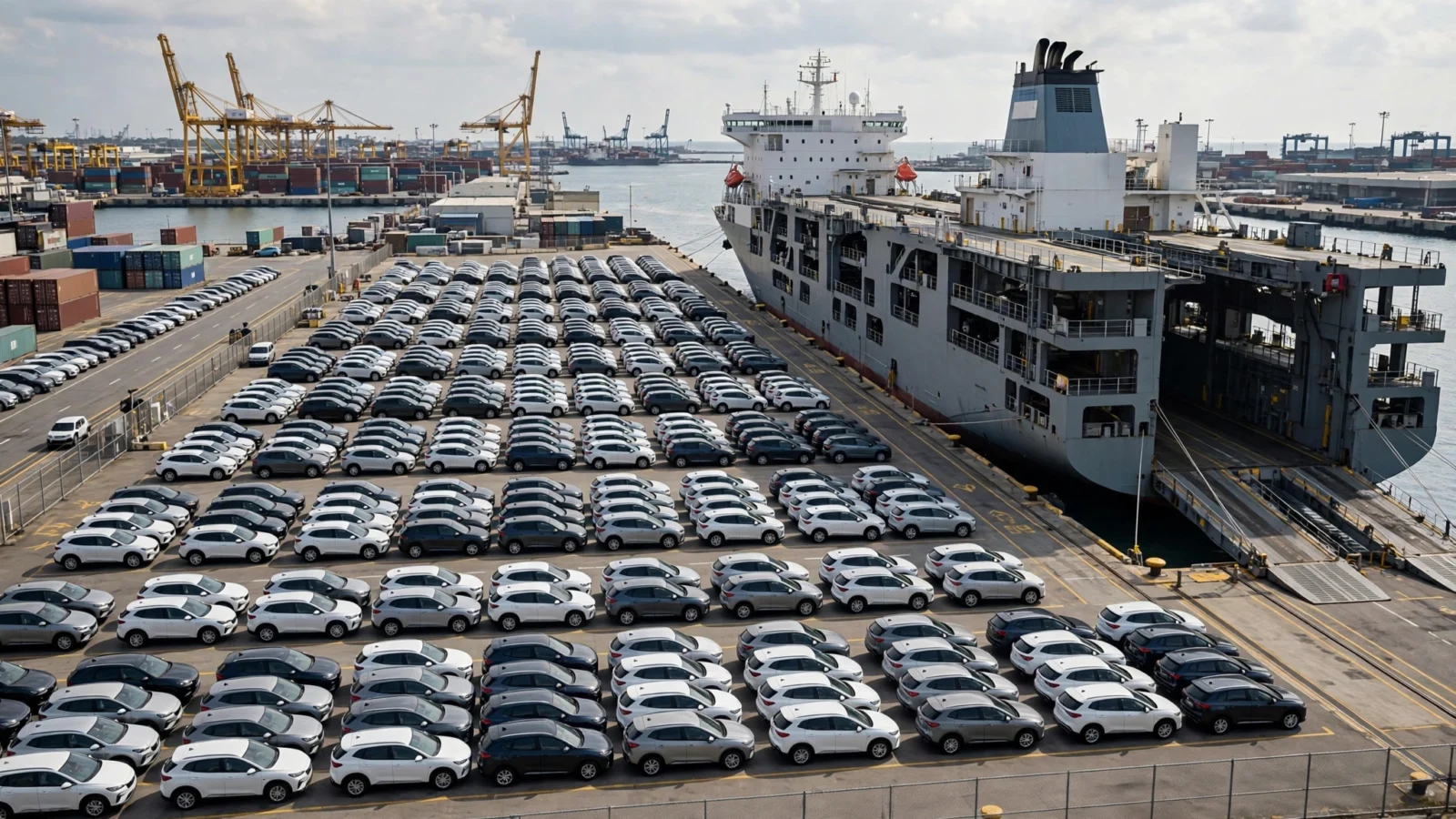
The talks followed a rapid rise in Chinese hybrid shipments to Europe. Reuters reported that plug-in hybrid imports into the EU rose 86% in the year to September while prices fell 20%, and that more than half of those vehicles now come from China. A separate industry account noted that EU imports of hybrid vehicles from China climbed from a few thousand units in late 2024 to tens of thousands by mid-2026.
Hybrids had become the newest front in a wider auto dispute. The EU placed countervailing duties on Chinese battery-electric vehicles in 2024, but hybrids were left out of that measure, leaving a growing channel for lower-priced imports as European automakers cut jobs and faced U.S. tariffs. European carmaker shares rose broadly after Friday’s announcement, according to Reuters, while industry groups reacted cautiously and said it was too early to judge whether the understanding would address competition concerns.
What remains unresolved
China’s commerce ministry said the understanding complies with World Trade Organization rules and did not state the scale of any export cut in its own statement. Both sides said discussions would continue on pricing commitments in the separate electric-vehicle anti-subsidy case, on possible tariff reductions for some goods, and on market access issues. Sefcovic and Wang are expected to speak again by video in January, with a further ministerial meeting planned for March.
For now, the agreement signals an attempt to slow one of the fastest-growing parts of Chinese auto exports to Europe without immediately escalating into new tariffs on hybrids. How much trade actually changes will depend on the terms the two sides have not yet published.
Reporting based on coverage by Reuters and CnEVPost.