France Deploys 70,000 Police for Third Weekend of Cost-of-Living Protests
France mobilized 70,000 police officers and gendarmes for a third straight weekend of protests over living costs and school conditions, with Paris march routes restricted and a 9 p.m. curfew for unaccompanied minors near the Champs-Elysees.
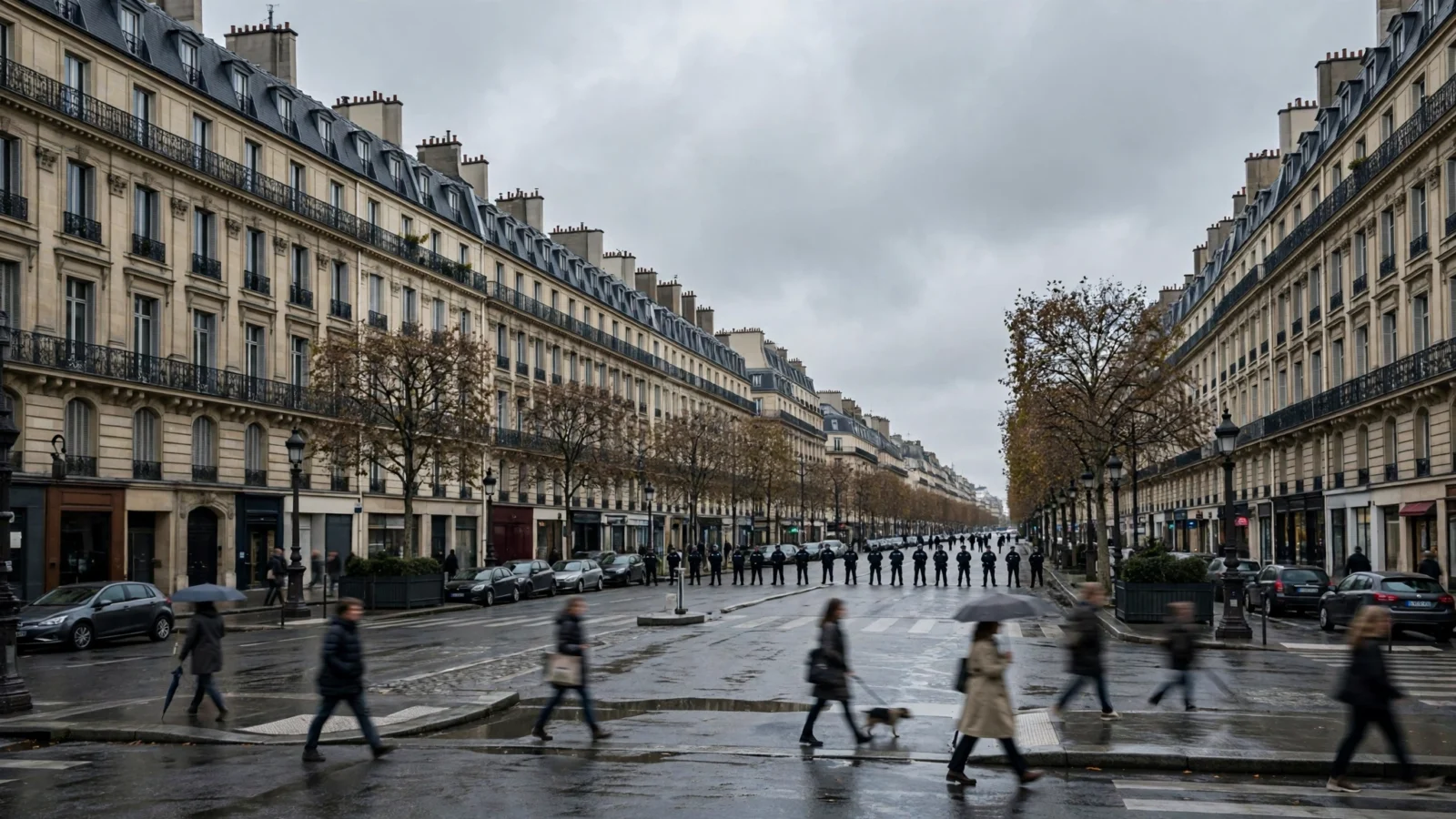
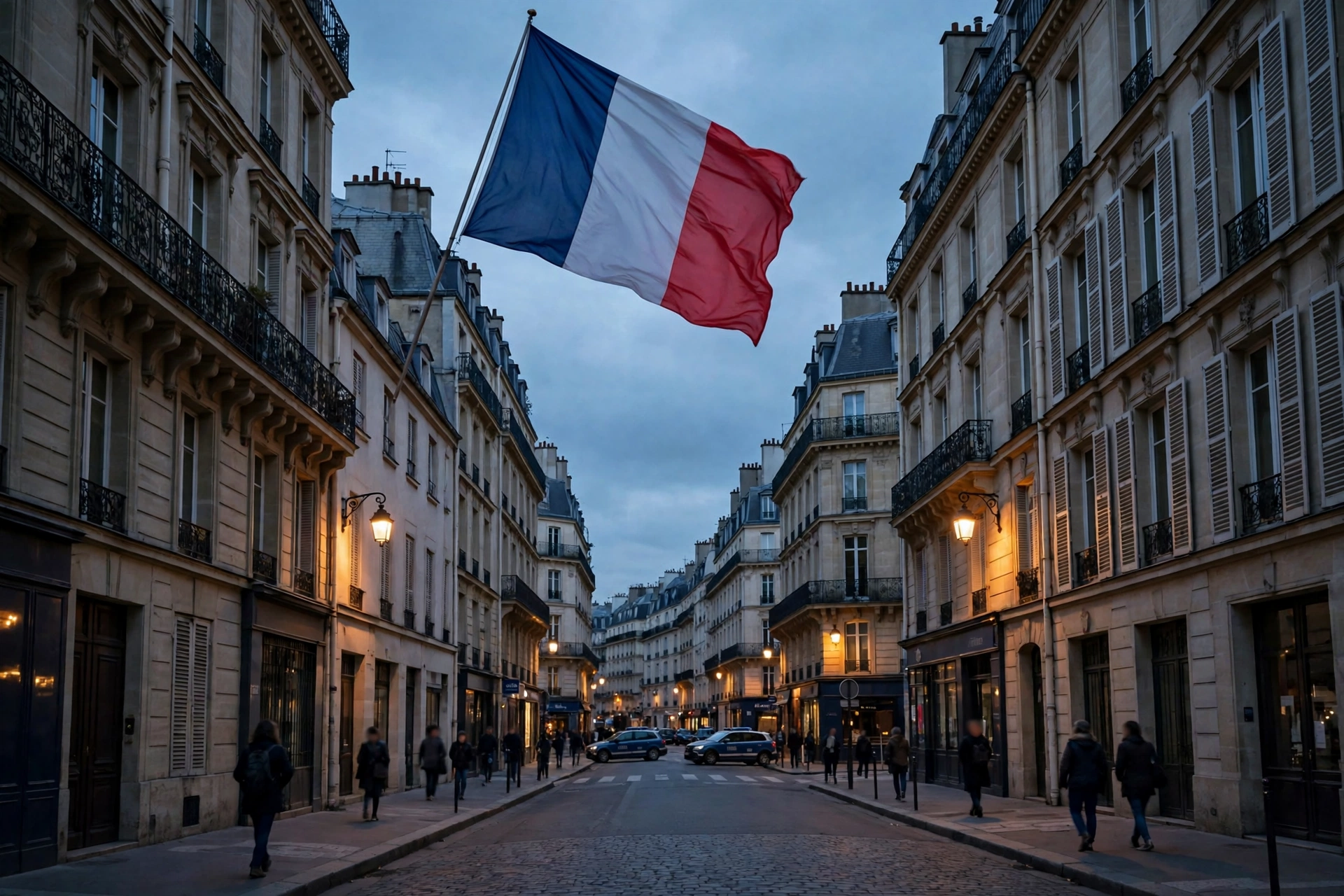
France mobilized 70,000 police officers and gendarmes across the country on Saturday for a third consecutive weekend of protests over the cost of living and conditions in state education. The security operation also includes specialist units, drones, helicopters, dog units, 26 armored vehicles, and 15 water cannons, according to LaPresse.
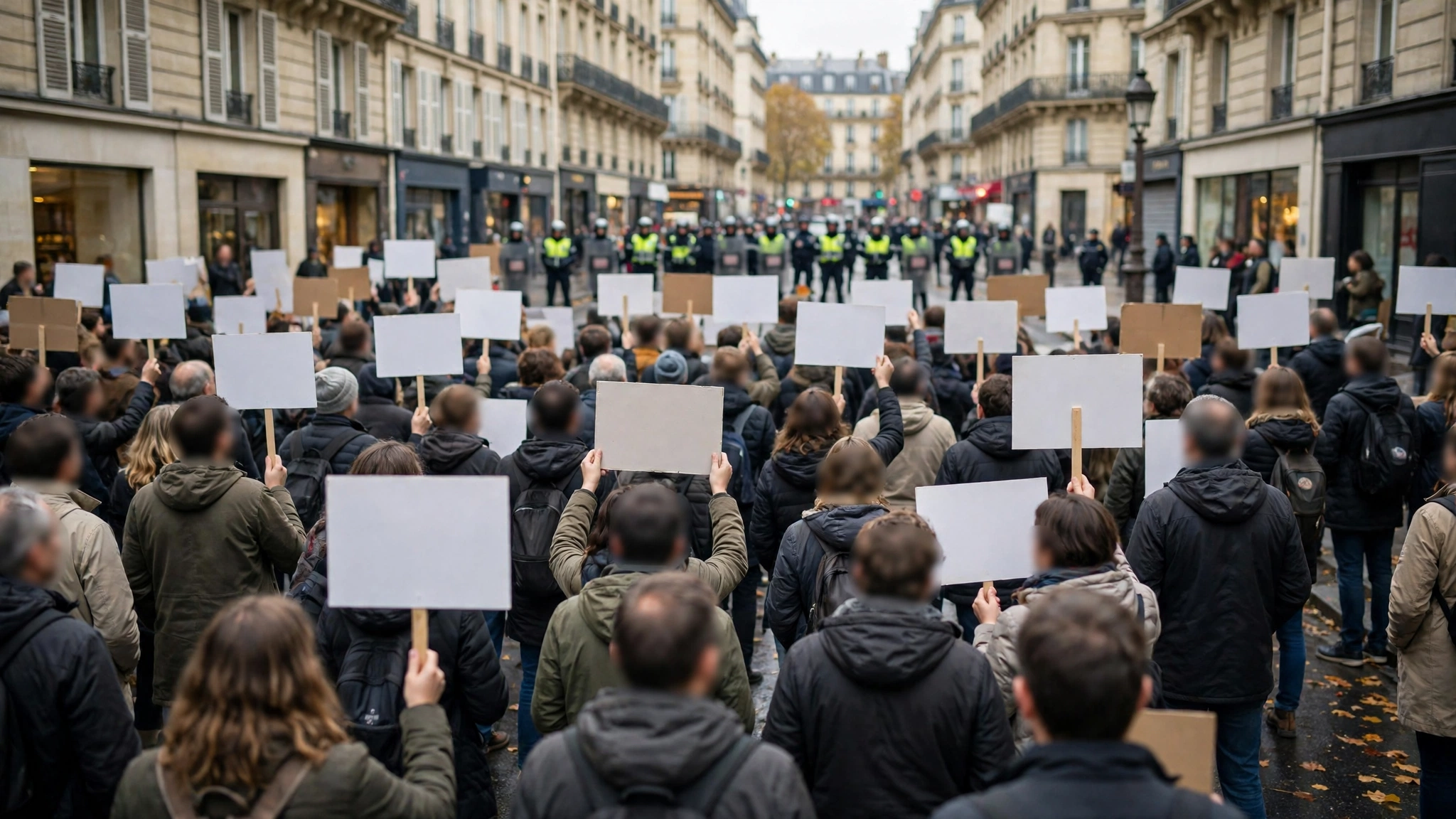
Interior Minister Laurent Nunez warned earlier in the week that the risk of violence was very high, particularly in the evening and at night. “Everyone is mobilized to deliver an exceptionally firm response to any disorder,” Nunez said at a news conference earlier in the week. The Interior Ministry has identified at least 150 planned gatherings across the country.
Paris routes restricted
In Paris, police banned trade union and yellow vest demonstrations in the city center and set a single route along outlying boulevards, from Porte de Bagnolet to Porte de Charenton. A planned march between Place de la Republique and Place de la Bastille was prohibited by France’s highest administrative court, and organizers redirected the event to eastern boulevards away from the main shopping districts.
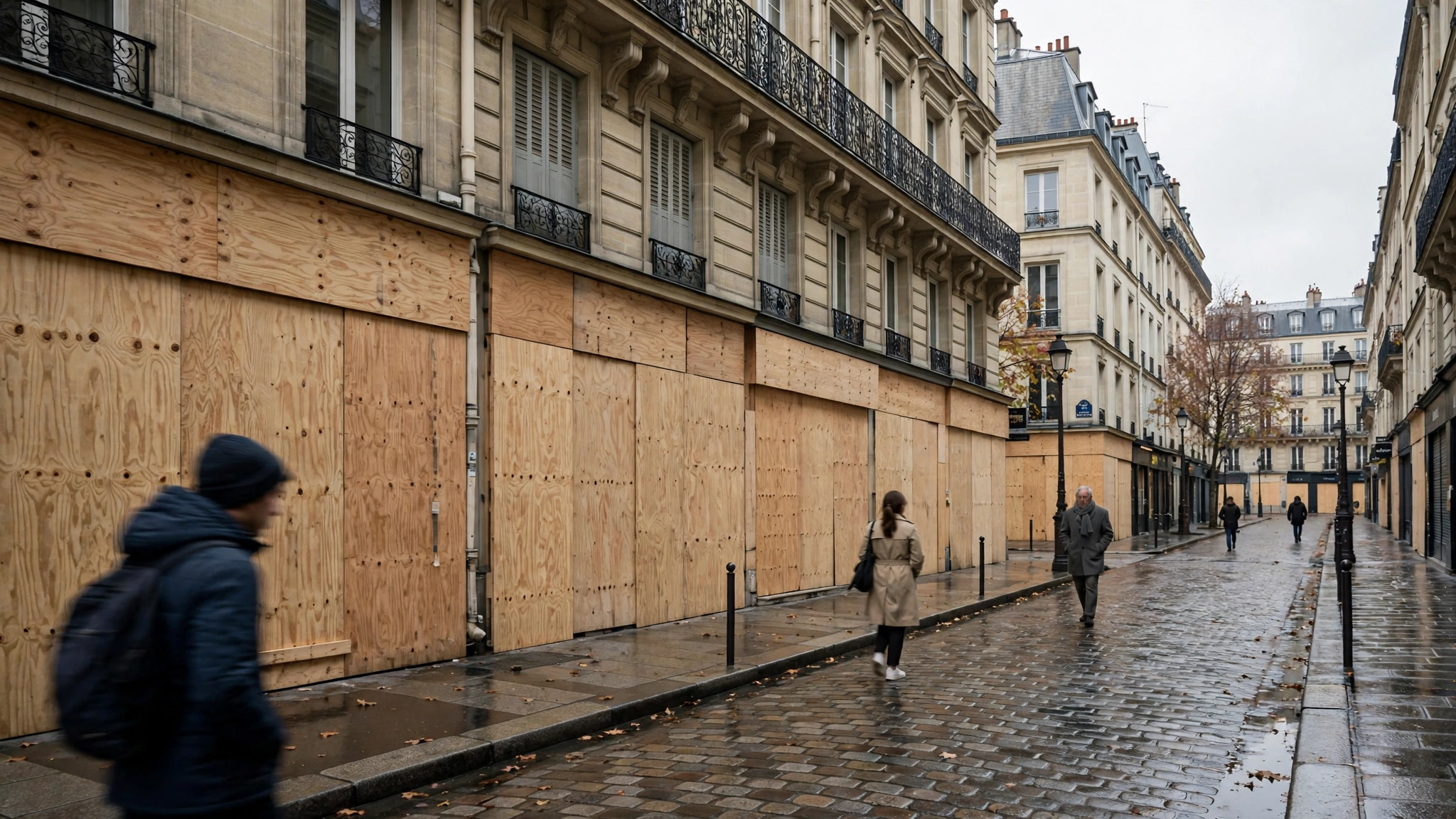
Demonstrations were also banned between 11 p.m. and 6 a.m. on Saturday and Sunday nights at Place de la Republique and in the Les Halles area. Both places were scenes of looting and unrest on October 17. A curfew from 9 p.m. applies to unaccompanied minors in the Champs-Elysees area, after a Paris court on Wednesday suspended a previous similar measure and ruled it a serious and unlawful restriction on freedom of movement.
How the protests began, and what they cost shops
The unrest began with young people protesting school conditions and demanding education reform. Students have asked for more teachers, smaller classes, better school buildings, and more investment in education. The movement has since widened to cover living costs, higher fuel prices, public services, and opposition to President Emmanuel Macron’s government.
France’s Chamber of Commerce estimates that looting and property damage have cost retailers more than $1 billion, and other calculations that also count lost sales put the overall damage at up to twice that amount. The government is preparing legislation that would hold people responsible for property damage during riots and impose fines of up to 10,000 euros, about $11,000. The government has pledged to overhaul education and lower fuel expenses, but demonstrators have continued to march.
Aaron Berthier de Grandry, a 15-year-old high school student who planned to protest over the weekend, told Reuters: “When I was little, I was told that young people were the future. If we, as France’s future, do not have the resources we need, then France will eventually collapse.” The United States Embassy in France has urged travelers to stay away from areas hosting large demonstrations.
Reporting based on coverage by LaPresse and Internewscast.