Fresh Bomb Threats Disrupt at Least 18 More Flights Across Europe as Newsrooms Are Targeted
A fresh wave of hoax bomb threats disrupted at least 18 more flights across Europe on Friday and forced evacuations at broadcasters in Ireland and Britain, as officials described an apparently coordinated campaign and said no explosives were found.
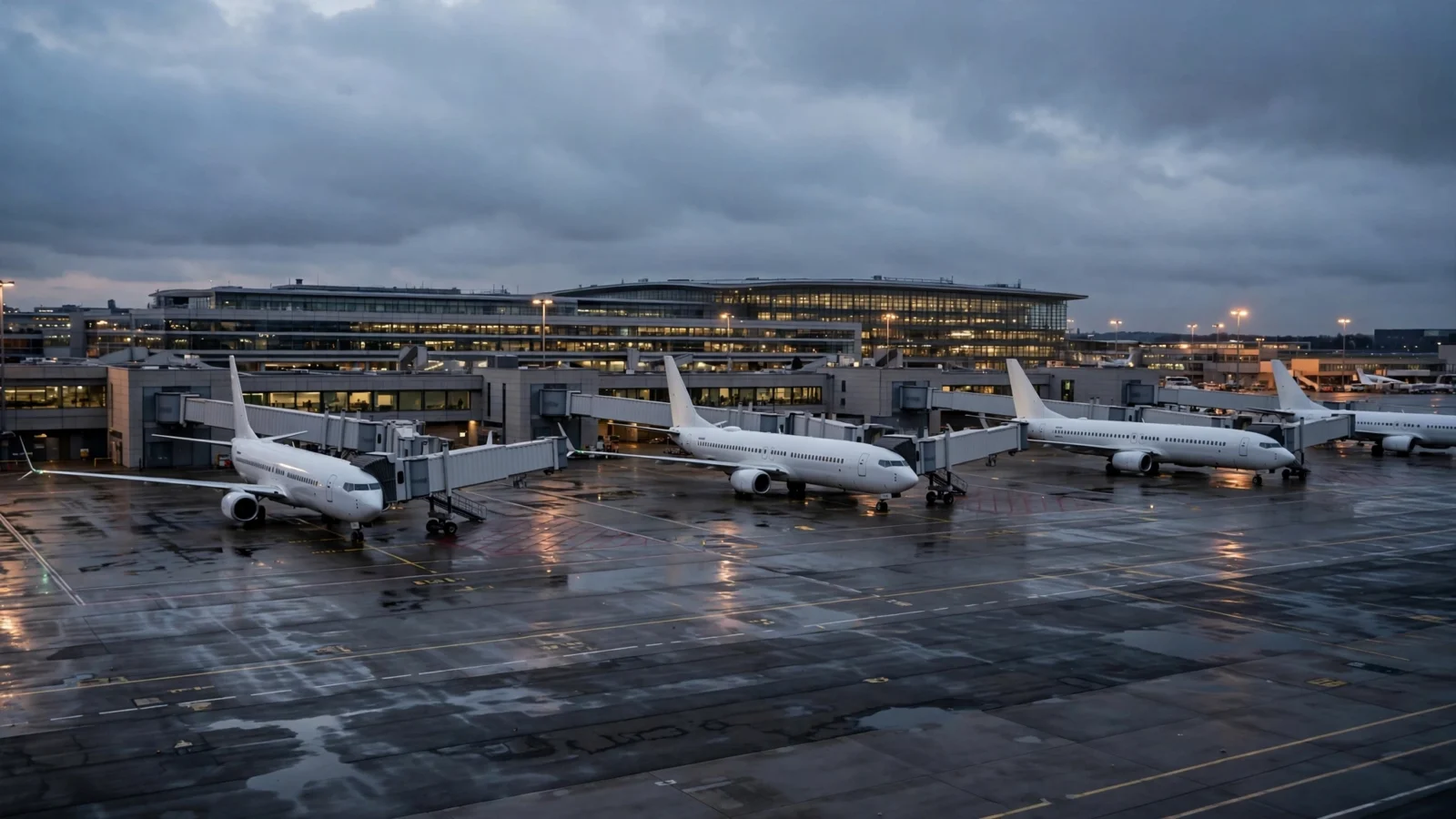
A fresh wave of hoax bomb threats disrupted air travel across Europe on Friday, grounding, diverting and delaying at least 18 more flights in what officials describe as an apparently coordinated campaign. Every affected aircraft landed safely, and searches found no explosive devices on any of them.
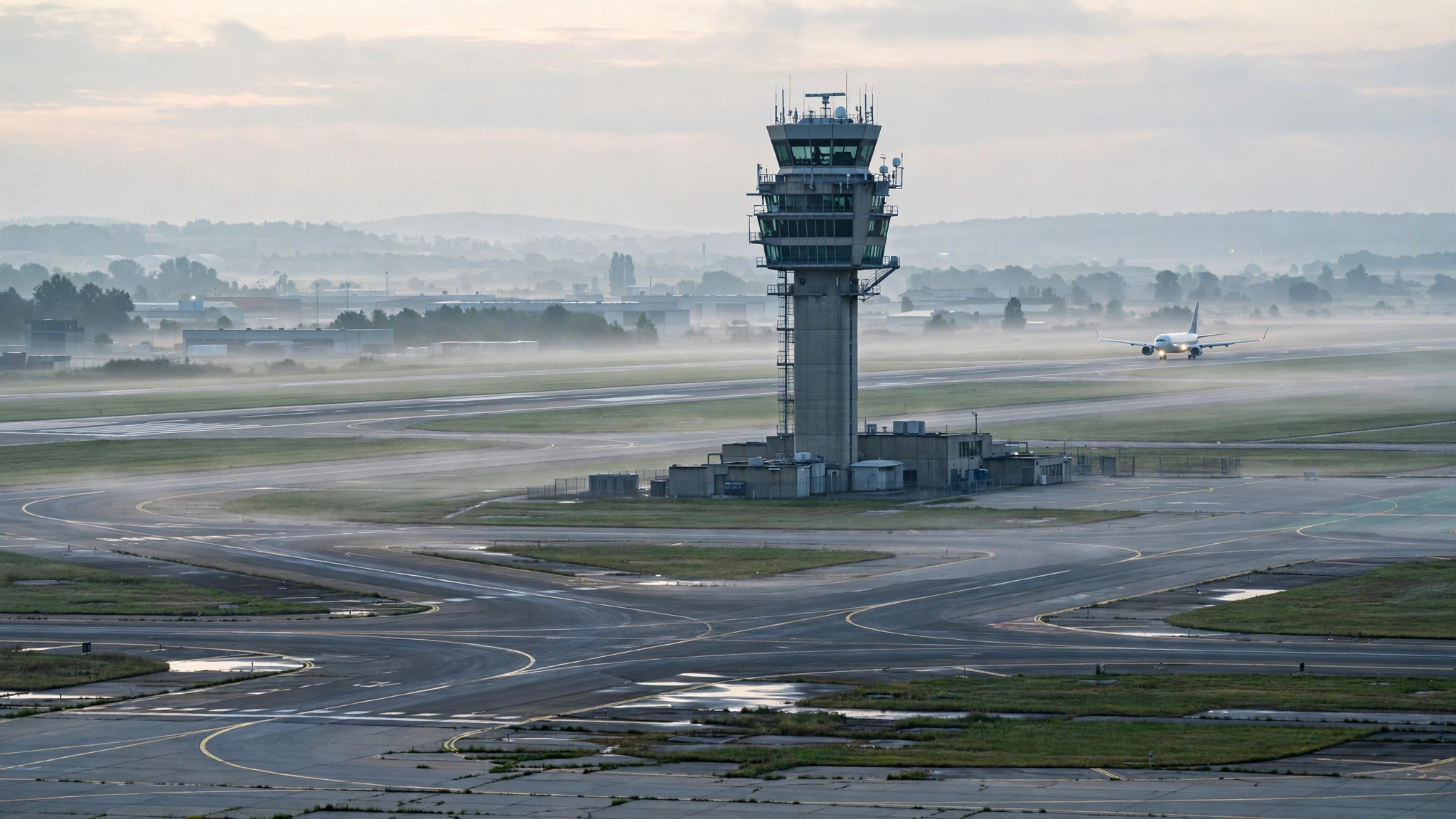
The latest alerts hit flights travelling to or from Bulgaria, Cyprus, Czechia, France, Hungary, Italy, Portugal, Romania and the United Kingdom, according to The Guardian. At least nine of the flights were flying to or from Prague, four were travelling over France, two were bound for Sofia, and one was flying from Lisbon to Rome.
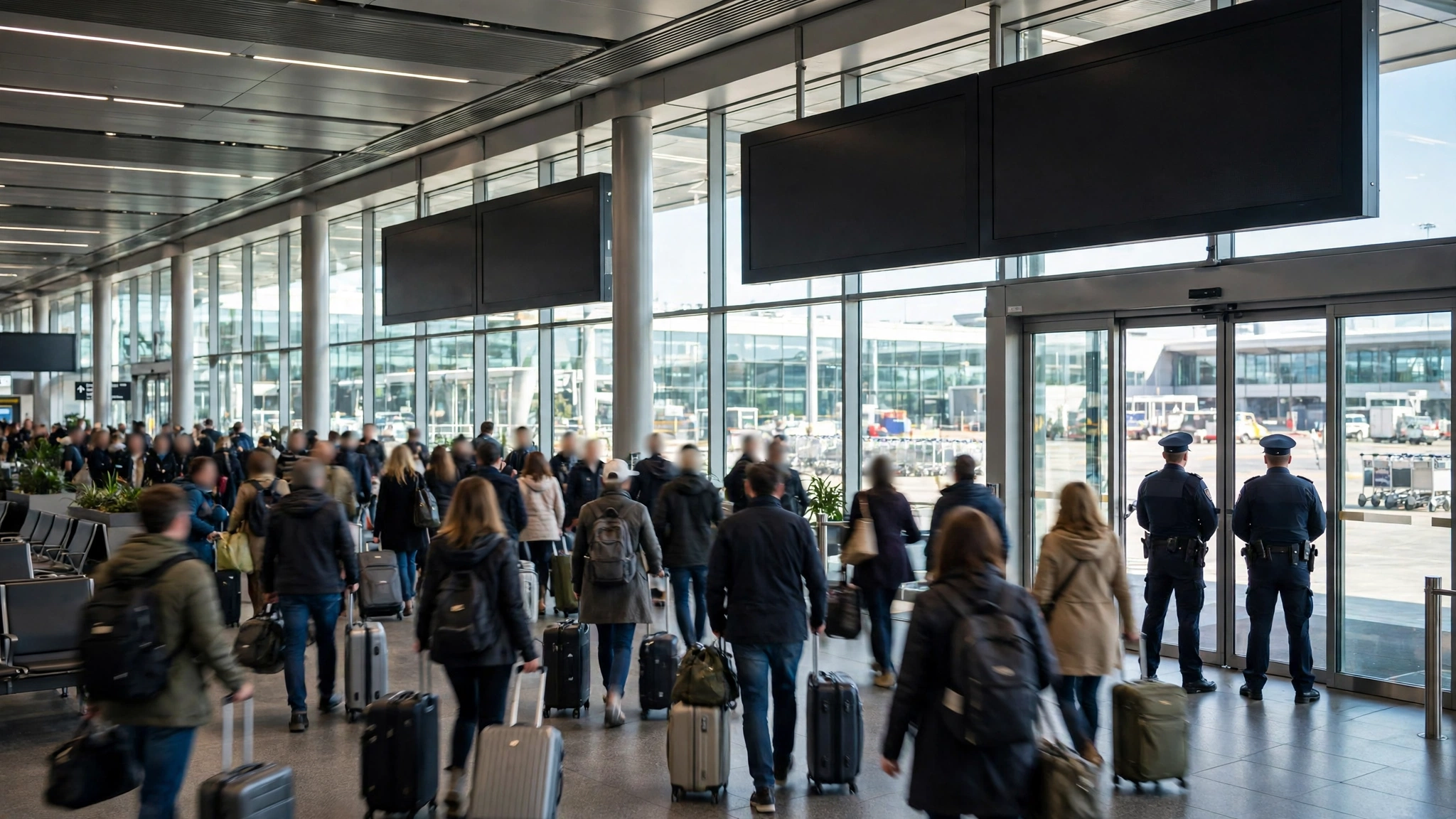
A Wizz Air flight from Prague to Rome was diverted to Venice, where passengers were evacuated after it landed, the Associated Press reported. A Ryanair service from Rome to Lisbon was also among the flights affected. Hungary scrambled fighter jets three times during the day to escort civilian aircraft through its airspace, according to the country’s defence minister, Romulusz Ruszin-Szendi, who gave the figure on Facebook. In Denmark, police investigated a threat made against Copenhagen airport, although the airport said it was operating normally.
A small share of flights, a large response
The disruption, while widespread, was a tiny fraction of the day’s flying. Eurocontrol, which coordinates air traffic across the continent, said 26,709 flights were scheduled in Europe on Friday, meaning the affected services accounted for just 0.0674 percent of them. Even so, aircraft were held, searched and rerouted, and the delays rippled through airports and schedules.
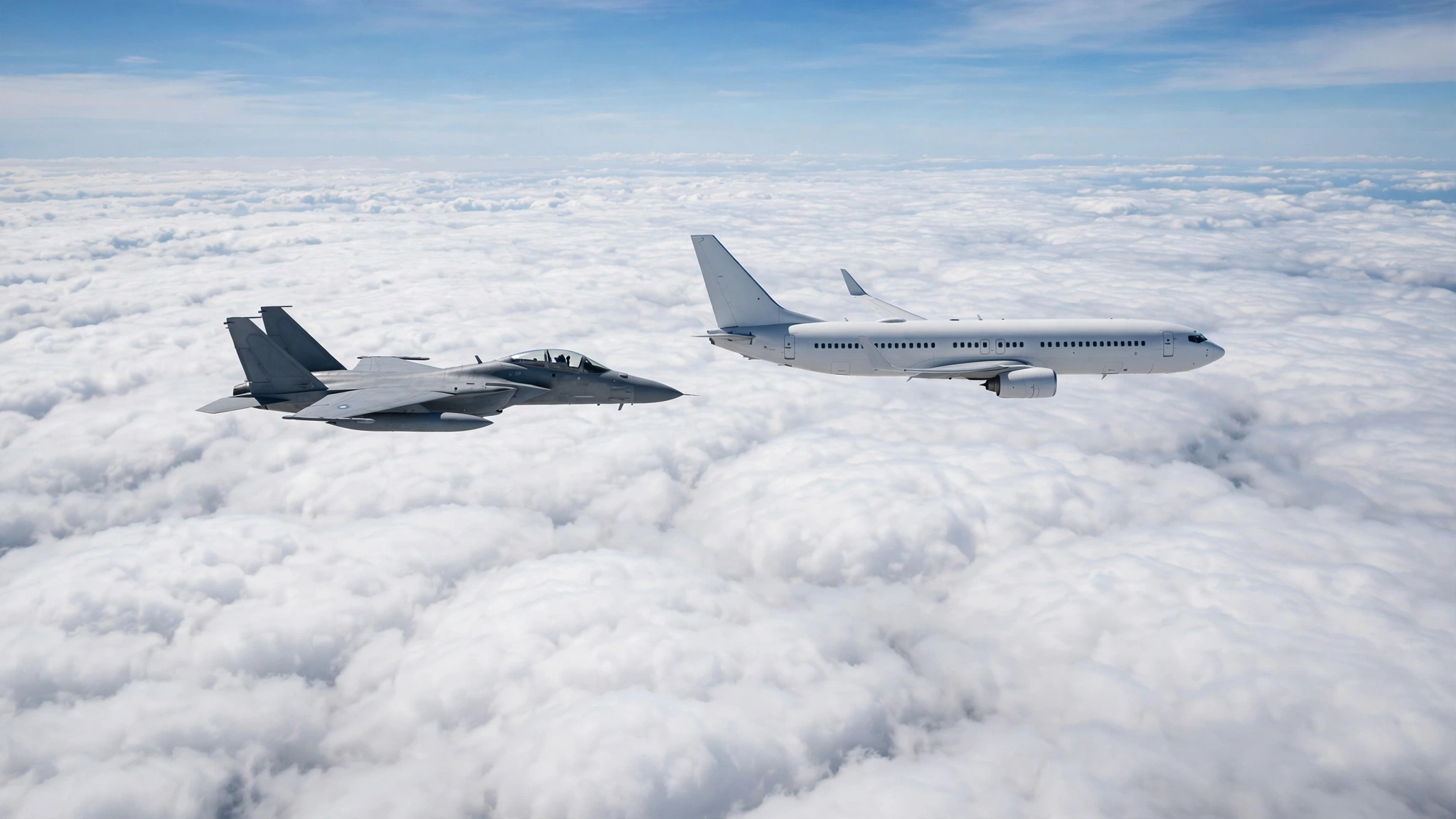
Friday’s incidents were the latest in a week of threats that have already forced at least 35 flights to be diverted or searched on Tuesday and Thursday. The earlier wave of threats on Thursday hit at least 27 flights, with some forced to land unexpectedly and others escorted by fighter jets.
Newsrooms evacuated as threats widen
The threats were not limited to aviation on Friday. A separate series of warnings aimed at media organisations in Ireland disrupted broadcasts and forced staff to evacuate offices and newsrooms while police carried out searches. The Taoiseach, Micheal Martin, said after RTE Radio 1 resumed scheduled broadcasting that the threats had to be taken seriously and were an attempt to sow fear and anxiety. British broadcaster Sky also said it had received a security threat on Friday and had reported it to the relevant authorities.
Some of the threats sent on Thursday were signed in the name of fighters of the Male State, a Russian far-right, ultranationalist and misogynistic movement founded in 2016. The group has denied any involvement. Replying to the BBC Russian Service, an account on Telegram linked to the movement and its founder, Vladislav Pozdnyakov, dismissed the suggestion that it had sent the emails. The group was banned in Russia in 2021, and Pozdnyakov is now thought to live abroad.
Investigators have said there is so far no evidence that the hoaxes against airlines and other targets are being orchestrated by a hostile terror group or state actor, such as Russia or Iran, but inquiries continue. Spain’s foreign minister, Jose Manuel Albares, said authorities needed more time to identify those responsible, but that a pattern was emerging. He told national broadcaster TVE that so many incidents with exactly the same method of operating could not be mere coincidence, describing the most reasonable assumption as an attempt at hybrid aggression and psychological warfare.
The air threats have come in the same week as cyber-attacks on supermarket refrigeration systems in at least seven European countries, which pushed up fridge temperatures and destroyed large quantities of fresh produce. Italy’s defence minister, Guido Crosetto, warned of what he called a strategy to increase chaos, saying he had been speaking for some years about the hybrid threat facing Europe.
Reporting based on coverage by The Guardian and BBC News.