Google, Meta and TikTok Sue California to Block Law Restricting Social Media Features for Children Under 16
Google, Meta and TikTok filed separate federal lawsuits to stop California's Assembly Bill 1709, a law that bars personalized feeds and autoplay for users under 16 and takes effect January 1. The companies say it violates the First Amendment and federal law.
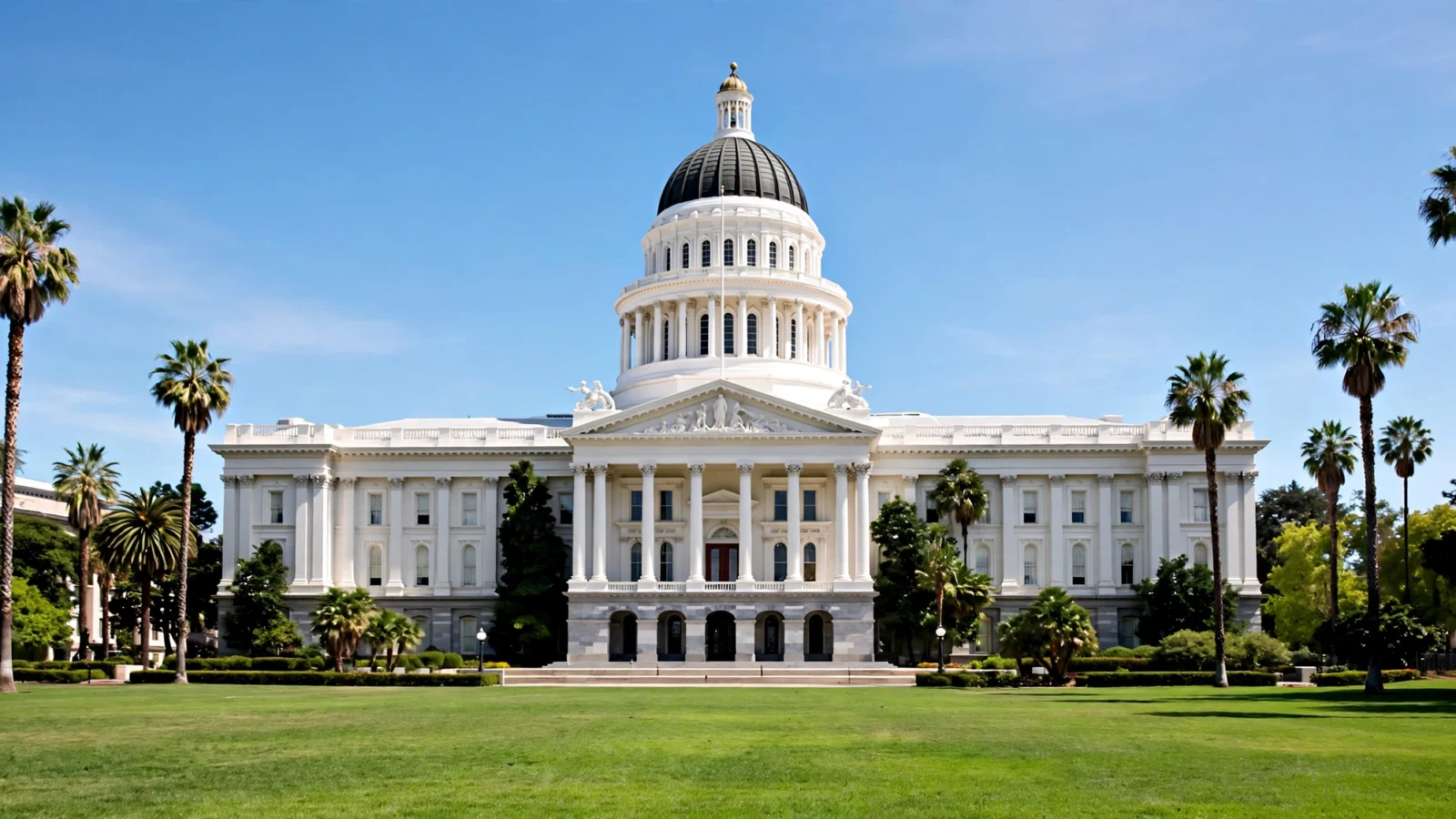
Google, Meta and TikTok sued California on Wednesday to block a state law that limits the social media features platforms can offer to children under 16.
The three companies filed separate lawsuits in federal court. Each asked a judge to stop enforcement of Assembly Bill 1709, which Gov. Gavin Newsom signed on September 10 and which takes effect on January 1, 2027.
The law bars platforms from offering users under 16 what the state calls “psychologically exploitative features,” including personalized recommendations and autoplay video. It also requires platforms to delete the accounts of children under 16 when those features are in use. Platforms that break the law face civil penalties of up to $50,000 per affected child for knowing violations and $25,000 for negligent ones.
Companies cite free speech and federal law
The companies say the law violates the First Amendment by dictating how they select and display content. They also say it conflicts with Section 230 of the Communications Decency Act, the federal law that shields online platforms from liability over content posted by users.
“The state cannot, consistent with the First Amendment, override Meta’s editorial judgments about how to curate and display … billions of posts of third-party speech,” Meta said in its complaint, according to Reuters. Google, which owns YouTube, and TikTok made similar arguments.
Google filed its suit in federal court in San Jose. Meta filed in San Francisco, and TikTok filed in Los Angeles. California Attorney General Rob Bonta, who enforces the state’s laws, is the only defendant in each case. Bonta’s office said it is reviewing the filings and is committed to defending the state’s child-safety laws.

A wider fight over children and screens
The law goes further than a 2024 California law, SB 976, which barred personalized feeds for users under 18 without parental consent. The new law offers no such exception. All three companies are already challenging SB 976 at the Ninth Circuit Court of Appeals.
The Electronic Frontier Foundation, a digital rights group, called the law “a massive privacy and free speech nightmare.” Critics of the measure say California went too far in restricting how children use the internet.
Other states also regulate children’s access to social media, and Australia has a ban on social media for children under 16. In August, Meta agreed to pay up to $18 billion and limit teenagers’ use of Facebook and Instagram under agreements with nearly all U.S. states, which accused the company of violating privacy and consumer protection laws.

The companies and Snap, the parent of Snapchat, still face thousands of lawsuits from people, school districts and local governments claiming the platforms sought to addict children and caused a mental health crisis, according to Reuters. No court has yet ruled on AB 1709 or blocked it.
Reporting based on coverage by Reuters and TechCrunch.