Interior Department Plan Would Offer Federal Public Lands for Sale to States, Localities and Tribes
The Interior Department's five-year strategic plan calls for selling federal lands that are not deemed nationally significant, cutting the department's workforce and speeding energy development. Conservation groups call the plan a threat to public access; the department says sales would fund conservation elsewhere.
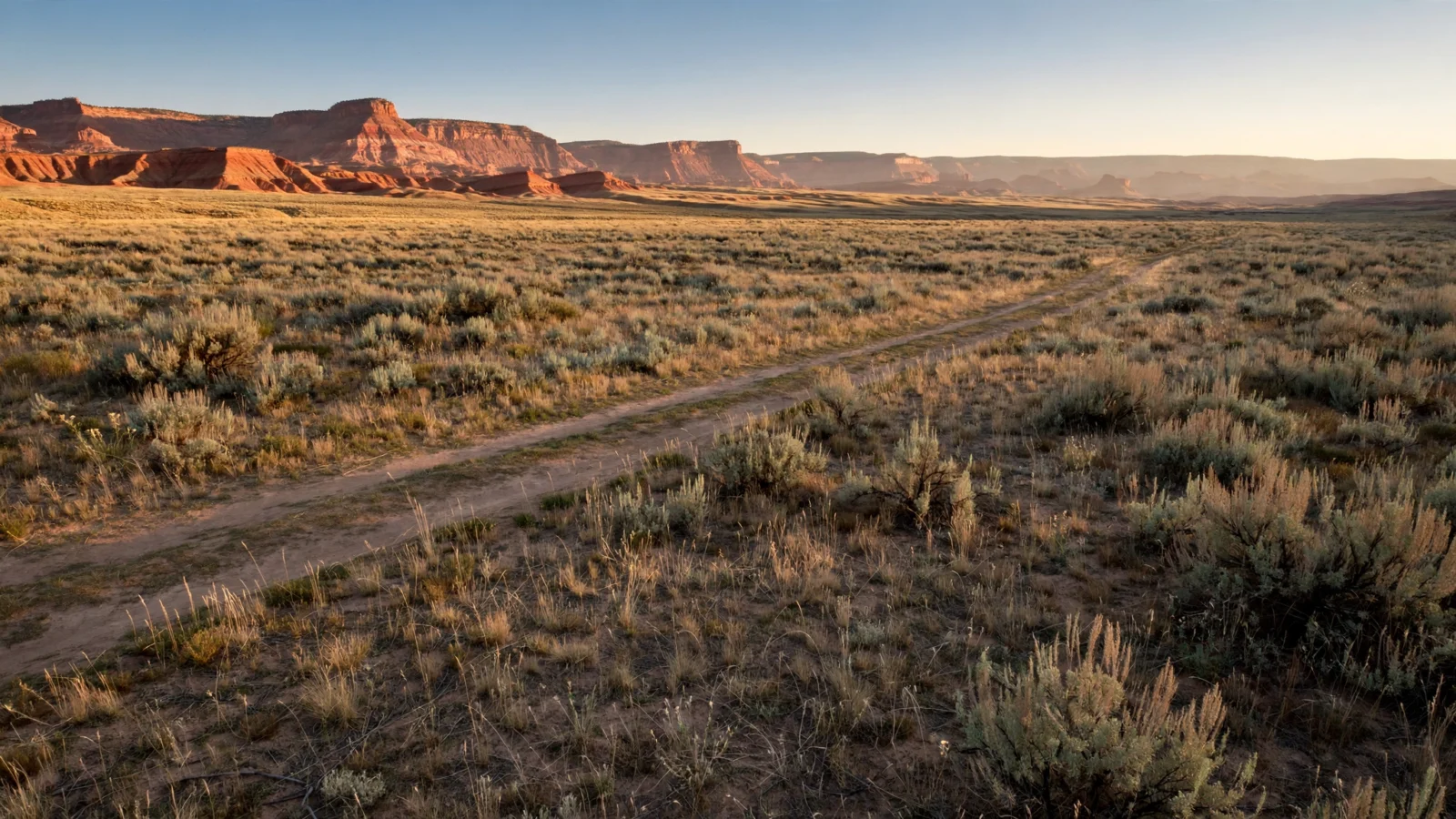
The Department of the Interior released a five-year strategic plan on Tuesday that calls for selling federal public lands to states, local governments and tribes, cutting the department’s workforce and speeding up energy development on the lands it keeps.
The 28-page plan for fiscal years 2026 through 2030 says the department will “work to decrease the size of the federal estate by offering to states, localities and Tribes the opportunity to purchase federal lands.” It says the sales would let the department focus on “primary federal responsibilities and nationally significant federal lands.”
The plan does not name any parcels for sale or say how much land it would put up for sale. A portion of the money from sales would go back to the states, localities or tribes that buy the land, to be used for conservation elsewhere, according to the plan, which says the sales would also reduce what federal taxpayers spend on managing the land.
Conservation groups and hunting groups moved fast to attack the plan. Kate Groetzinger, communications director for the Center for Western Priorities, called it “a death sentence for public lands” and “a real lame duck move to put out such a politically toxic plan,” according to Colorado Public Radio. Ryan Callaghan, president and chief executive of Backcountry Hunters and Anglers, told Outdoor Life the plan “flies in the face of overwhelming positive appreciation and sentiment for America’s public lands.”
What land could change hands
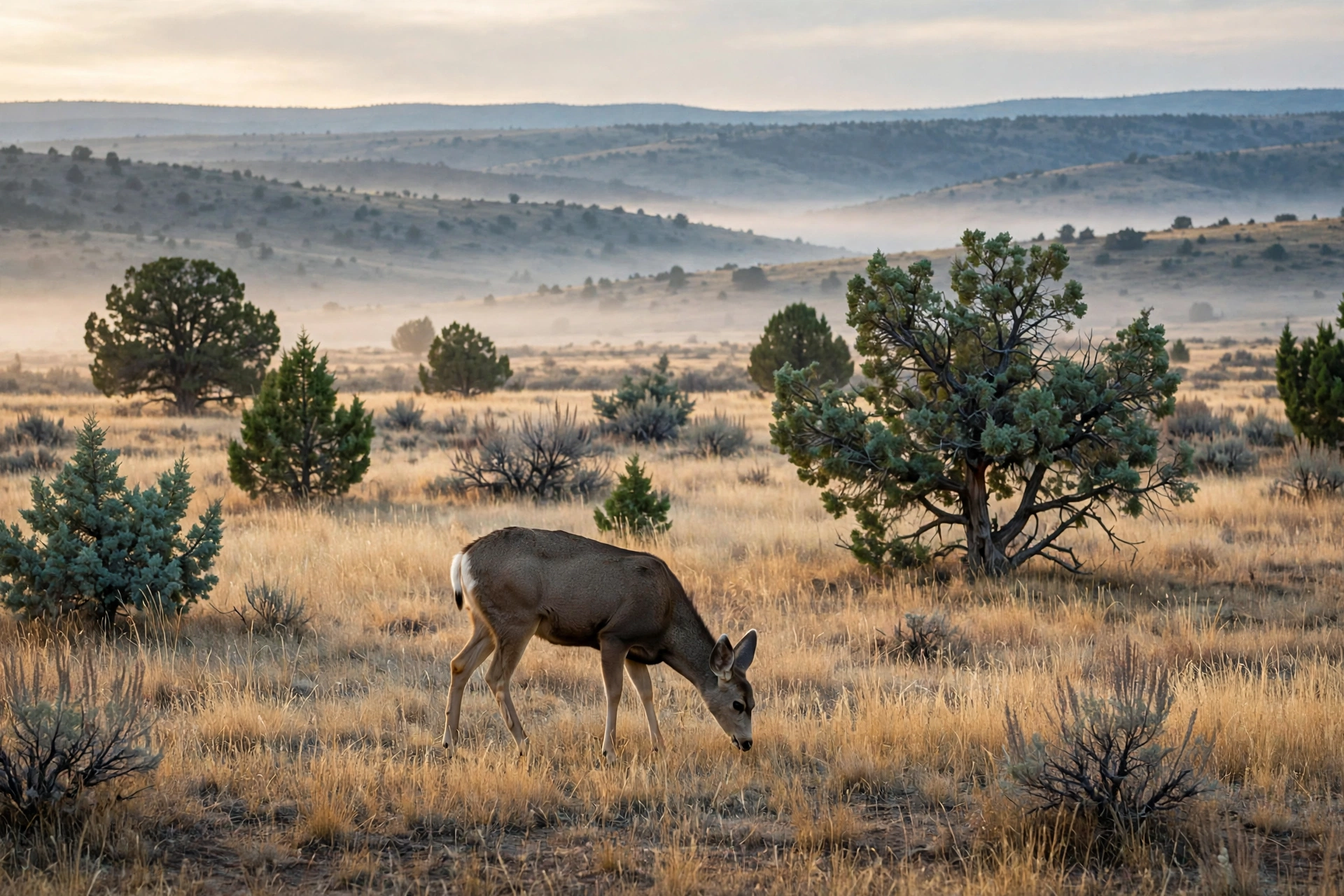
The federal government owns about 28 percent of the land in the United States, roughly 640 million acres out of 2.27 billion, according to federal data cited by Colorado Public Radio. It owns more than half the land in Nevada, Utah, Idaho, Alaska and Oregon.
Under federal law, Congress can block land sales of more than 2,500 acres, while the administration can sell smaller parcels without a vote in Congress, Colorado Public Radio reported. Groetzinger said the lands most likely to be offered are those held by the Bureau of Land Management, which are open to a wide range of uses, from grazing to energy to recreation, rather than national park land.
The plan also calls for the department to “consolidate its workforce to advance operational efficiencies.” That follows large staff cuts at the land agencies: about 300,000 federal workers were laid off last year, including 7,210 at the Interior Department, according to the Pew Research Center. Outdoor Life reported that staffing at the Fish and Wildlife Service is down 27 percent since 2002 when measured by full-time positions, the National Park Service down 23 percent and the Bureau of Land Management down 20 percent.
Energy, data centers and a new land rule

The plan says the department will “accelerate energy production from reliable sources, including clean coal, oil, gas, hydroelectric, geothermal and advanced nuclear technologies.” Wind and solar do not appear on that list. In a letter opening the plan, Interior Secretary Doug Burgum wrote, “For the first time in human history, we can turn electricity into intelligence,” a reference to the data centers the administration wants to build on public land. Outdoor Life reported in September that the administration is weighing at least a dozen data center projects on public land that could affect at least 17,600 acres in the West.
The plan arrived on the same day the Bureau of Land Management proposed a rule that would change how it writes the resource management plans that decide where drilling, mining and grazing can take place and which lands can be sold. The proposal would end the 90-day public comment period for major plans and is open for public comment through Jan. 11, 2027.
The land-sale idea has failed before. In the summer of 2025, Sen. Mike Lee, a Utah Republican, pushed an amendment to sell up to 3 million acres of federal land, saying the land would be used for housing and other community needs. The amendment failed after public backlash. Colorado Public Radio reported that the strategic plan has not yet drawn official responses from state governors or tribal leaders.
Reporting based on coverage by Colorado Public Radio and Outdoor Life.