Iran Lifts Self-Imposed 2,000-Kilometer Limit on Ballistic Missile Ranges
Iran's Revolutionary Guard said Saturday it has lifted a self-imposed limit of about 2,000 kilometers on the range of its ballistic missiles, a move that could put more distant targets within reach as fears of renewed war in the Middle East grow.

Iran’s Revolutionary Guard said Saturday it has lifted a self-imposed limit of about 2,000 kilometers (1,200 miles) on the range of its ballistic missiles, suggesting the country may seek to develop missiles able to reach more distant targets as fears of renewed all-out war in the Middle East rise.
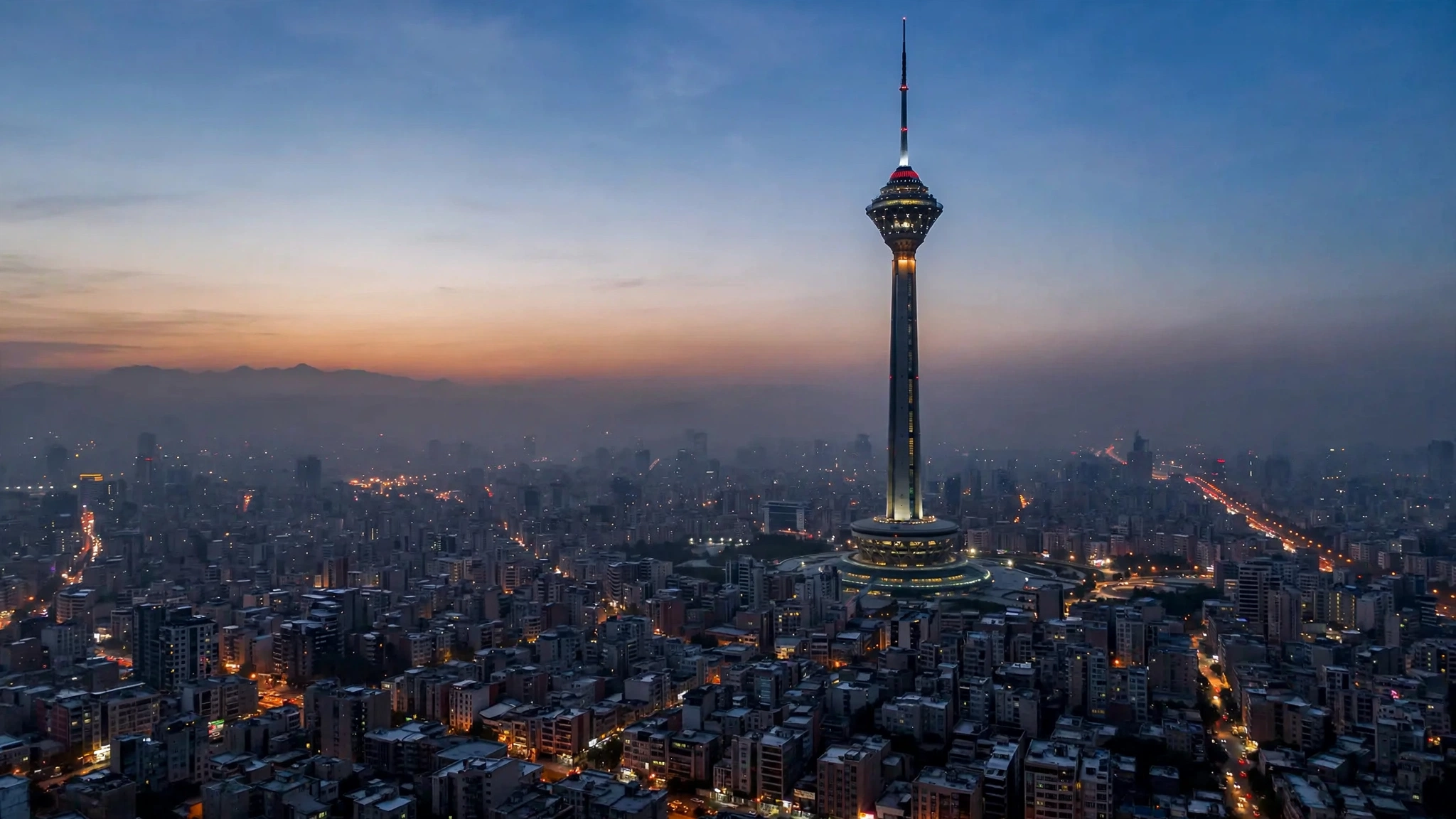
Brig. Gen. Hossein Mohebbi, the spokesman for the Islamic Revolutionary Guard Corps, made the announcement at a news conference in Tehran marking the force’s Aerospace Week. “This restriction has been lifted for us,” Mohebbi said, according to state-linked outlets including Tasnim and Mehr.
The limit dated from 2017, when it was set as a deliberate ceiling that kept Iranian missiles focused on regional targets in the Middle East while stopping short of ranges that would reach deeper into Europe. Lifting it ends a restraint that had shaped the country’s missile program for close to a decade.
The announcement followed comments by Supreme Leader Mojtaba Khamenei ordering an immediate and effective response to any threat, without geographical limits, alongside a broader update of military target lists covering United States and Israeli assets.
No proof yet of a longer-range missile
Iran has not shown that it has an operational missile able to fly beyond the old 2,000-kilometer limit, and Mohebbi cautioned against treating the announcement as proof of a new capability. He said Iran would have to demonstrate any expanded range in practice rather than merely announce it.
“Our duty is to demonstrate our capabilities on the battlefield,” Mohebbi said, according to Iran’s ISNA news agency.
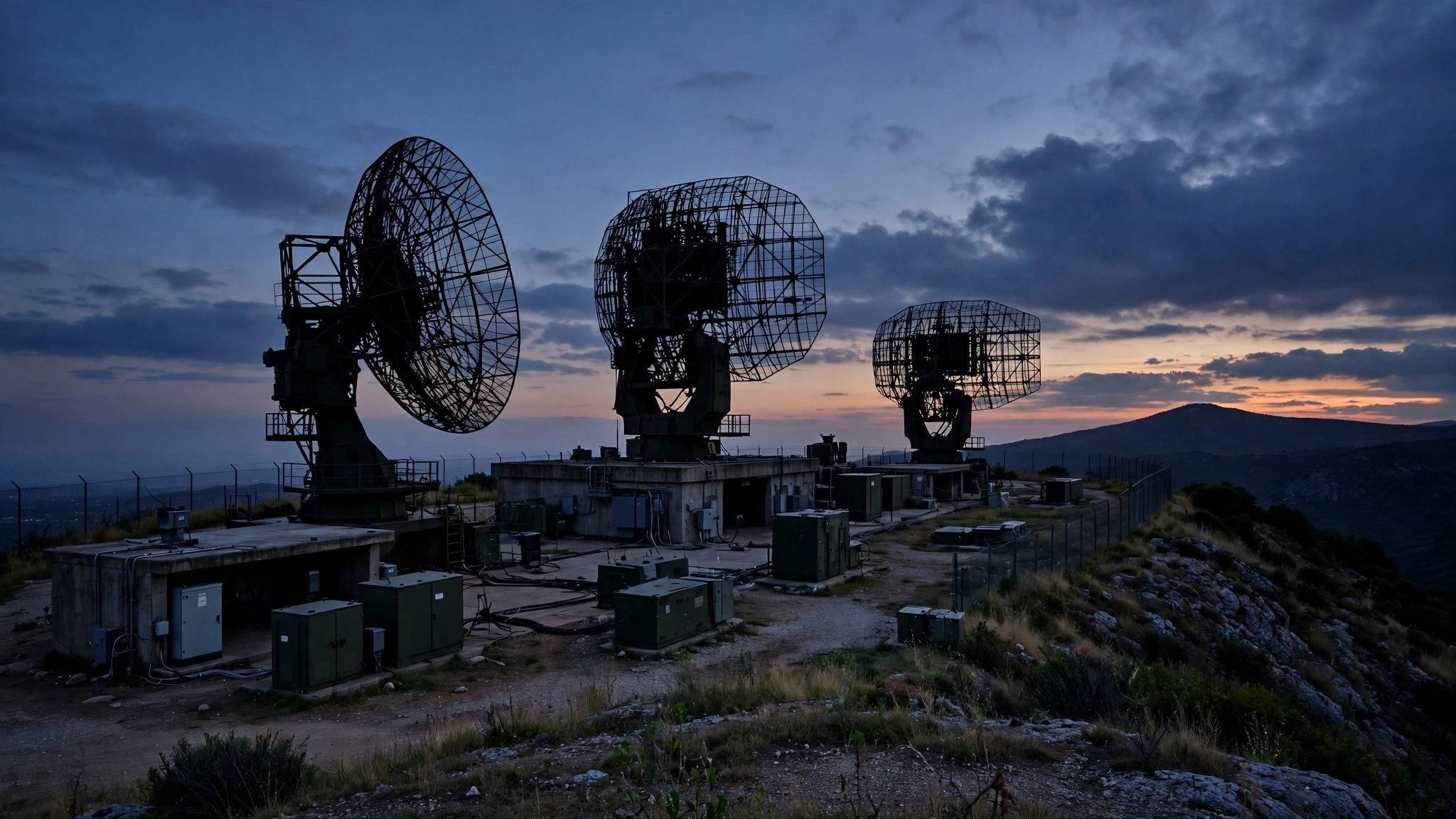
Mohebbi also claimed advances in air defenses and in underground missile production after the recent rounds of fighting, including the downing of enemy aircraft and drones. Those claims could not be independently verified.
Asked about explosions heard overnight around the Strait of Hormuz, Mohebbi said most were related to defensive firings and claimed that an American aircraft had been hit. Washington has not confirmed that claim.

Talks stalled as Gulf tensions rise
The announcement lands at a tense moment in the region, with talks between Washington and Tehran stalled and fears growing of renewed strikes after a week of exchanges around the Gulf.
Western governments have long pressed Iran to put its missile program on the negotiating table, and Tehran has long refused to discuss it. Even without a proven longer-range missile in service, the public abandonment of the cap sends a signal to adversaries and raises the stakes for any future negotiation over the program.
In the same Associated Press report, airstrikes near Yemen’s capital killed at least 27 people, according to a spokesman for Yemen’s Houthi-run Health Ministry, and heavy rains lashed the Gaza Strip, flooding tents and adding to the hardship of hundreds of thousands of Palestinians.
Reporting based on coverage by the Associated Press and QNC News.