Iran Negotiators Leave Doha Talks as Draft Proposal for U.S. Deal Circulates
Iranian negotiators have left talks in Doha with Qatari mediators, and a draft proposal aimed at ending the war with the United States is now being circulated, according to an official briefed on the talks. Tehran says the plan builds on a September proposal to reopen the Strait of Hormuz.

Iranian negotiators have left talks in Doha with Qatari mediators aimed at ending the war with the United States, and a draft proposal is now being circulated, an official briefed on the talks told Reuters on Monday. A follow-up meeting is possible, the official said.
The negotiators departed on Sunday, though not because of difficulties in the negotiations, the official said. The official gave no further details on the draft proposal.

Iran’s foreign ministry spokesperson, Esmaeil Baghaei, said the basis of the talks is a seven-step plan Iran drew up in September to reopen the Strait of Hormuz and end the U.S. naval blockade on Iran. Tehran now suggests that plan could be carried out on a faster timeline under a deal, Reuters reported.
Baghaei said Deputy Foreign Minister Kazem Gharibabadi had been in Doha to help exchange messages with Washington through Qatari intermediaries.
A two-day timeline for reopening the strait
On Saturday, Qatari broadcaster Al Jazeera quoted Iran’s Foreign Minister Abbas Araghchi as saying that under a deal the Strait of Hormuz could be opened within two days, rather than within the seven days first envisaged. Speaking to Al Jazeera on Sunday, Araghchi described a sequence in which Washington carries out a set of agreed measures on day one and the strait reopens on day two, with shipping returning to normal. He did not say what the U.S. measures would be, according to The Diplomatic Insight’s account of the interview.

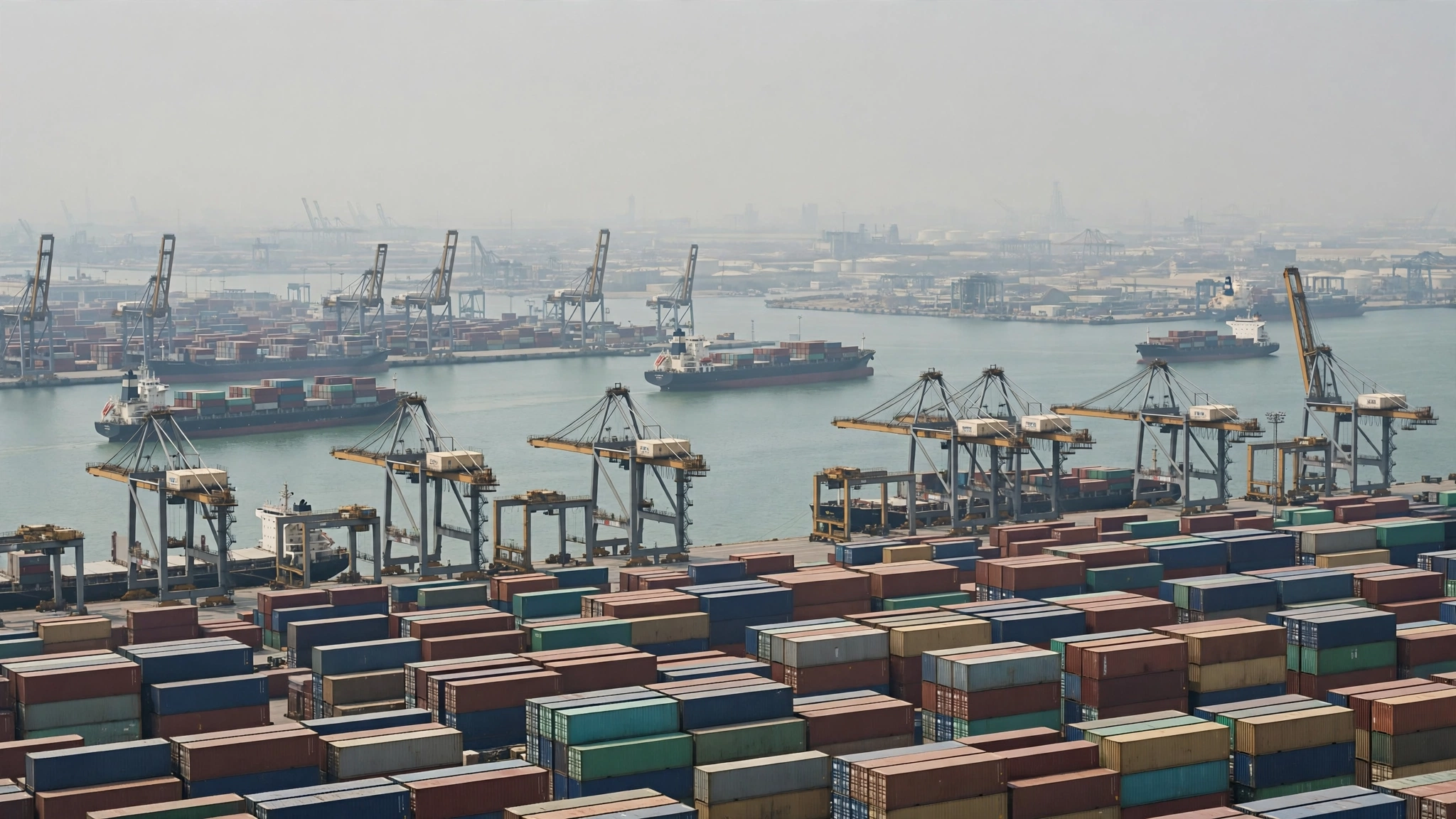
The strait lies between Iran and Oman and normally carries about a fifth of global oil and a large share of liquefied natural gas exports, The Diplomatic Insight reported.
What Tehran says must happen first
Baghaei set out Iran’s conditions in plain terms. “No final agreement can be initiated, nor can the Strait of Hormuz be reopened or secured, unless the US naval blockade is brought to an end, Iran’s demands are respected, and Iran’s legitimate requirements are addressed,” he said, according to Reuters.
Reuters also reported that Iran’s initial proposal was rejected by U.S. President Donald Trump. The latest round of diplomacy comes amid concern that the conflict could escalate again after Tuesday’s midterm elections in the United States. Trump has said the United States would not launch new attacks on Iran before the vote and that talks with Tehran have been productive, though he has not ruled out further military action afterward. Asked about Tehran’s view of the midterms, Baghaei said Tehran did not expect the elections to “give birth to a new US.”

For now, the contents of the draft proposal have not been made public, and Reuters did not report that either side has accepted a final deal.
Reporting based on coverage by Reuters and The Diplomatic Insight.