Justice Department Steps Up Election Cases in Final Week Before Midterms
With a week left before Election Day, the Justice Department has sued states, charged more than 75 people over voting, and pressed officials to review voter rolls, a push that has drawn objections from election officials and voting-rights lawyers.
With a week left before Election Day, the Justice Department has sued states, threatened election officials and arrested green card holders suspected of voting illegally, breaking with its past practice of pausing sensitive cases before an election.
Suits, charges and warnings
This month, the department sued California, saying the state probably has more than 20,000 noncitizens on its voter rolls, and gave the state 48 hours to act on Los Angeles County ballots or face legal action. On October 26, it asked Washington’s secretary of state to review a list of more than 400 people it believes are noncitizens and to set aside any ballots they cast. On October 22, it filed a lawsuit in Alaska seeking to block certification of the Senate results if Republicans lose. Trump said on October 23 that he directed the department to file it: “I’m the one that said, ‘Do it.'”
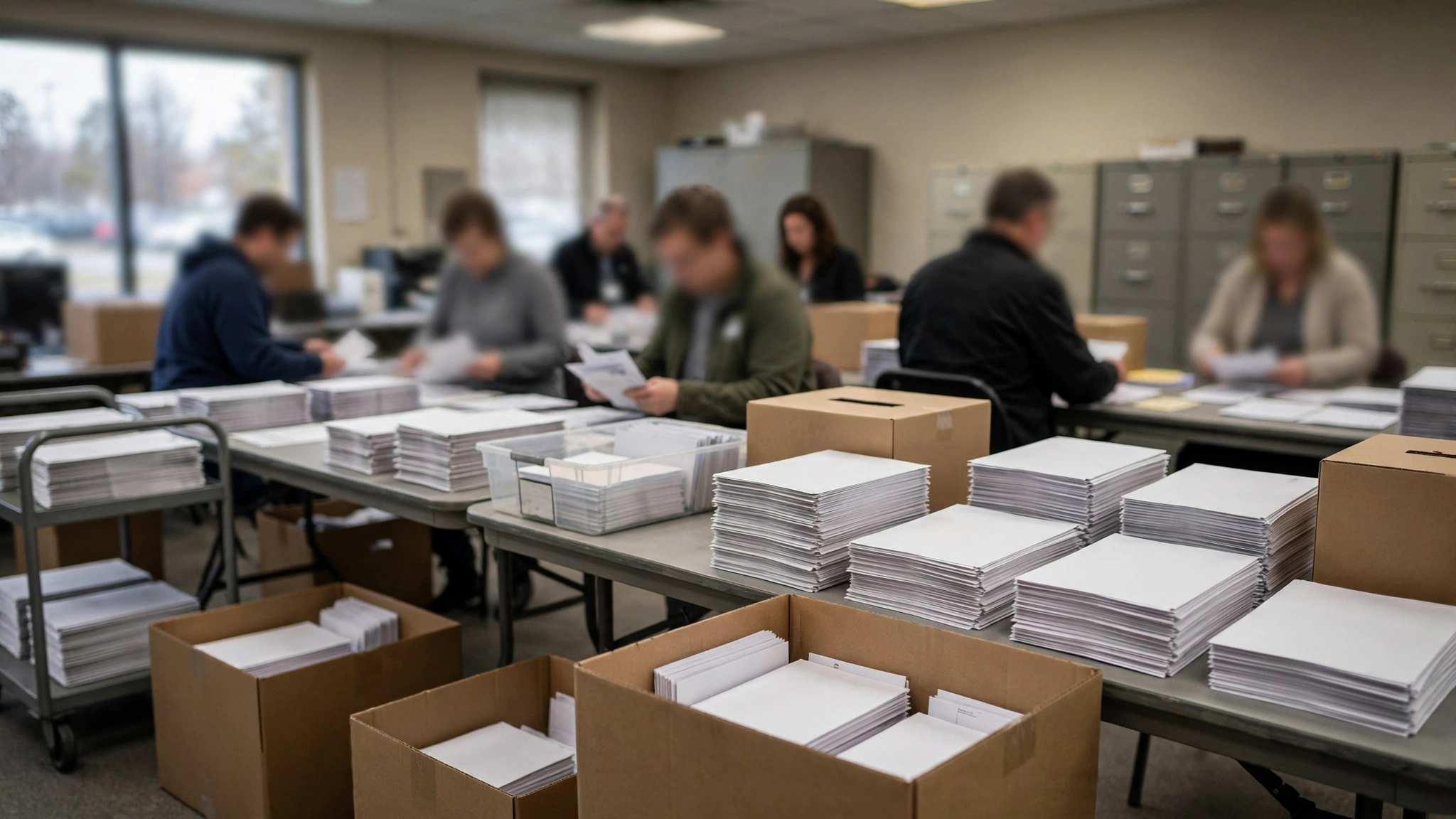
In the past week, the department charged more than 75 people in five states with crimes tied to voting illegally or giving false information when registering or applying for citizenship. Attorney General Todd Blanche said the department is looking at other states for similar lawsuits. “There’s a number of states that we’re looking at,” Blanche told reporters in Virginia.
Pushback from officials and courts
Election officials and lawyers have objected. Nevada Secretary of State Cisco Aguilar called the effort “an attack on Latino voters,” and lawyer Marc Elias said the California case could become a template for other states. A federal judge has also ordered an end to Homeland Security door-knocking operations that asked people about immigration status and voting, ruling the practice likely violates the Voting Rights Act. Justice Department spokesperson Kiersten Pels said prosecutors charge cases based on evidence, not critics’ timelines.
Reporting based on coverage by USA Today.