Mike Johnson Will Not Seek House Republican Leadership Post After Midterm Losses
House Speaker Mike Johnson told staff on Wednesday that he will not run to lead House Republicans in the next Congress, after Democrats swept the midterm elections. Steve Scalise and Jim Jordan have both announced bids to replace him.

WASHINGTON — House Speaker Mike Johnson will step aside from Republican leadership after the party’s midterm losses, declining to seek the minority leader post in the new Congress, according to two people familiar with his decision who spoke to the Associated Press on Wednesday.
Johnson told his staff of the decision on a Wednesday morning call, the Associated Press reported. He will stay on as speaker until the new Congress is sworn in in January, and he will keep his seat as a rank-and-file member from Louisiana. Voters in his Shreveport-area district reelected him on Tuesday to a sixth term.
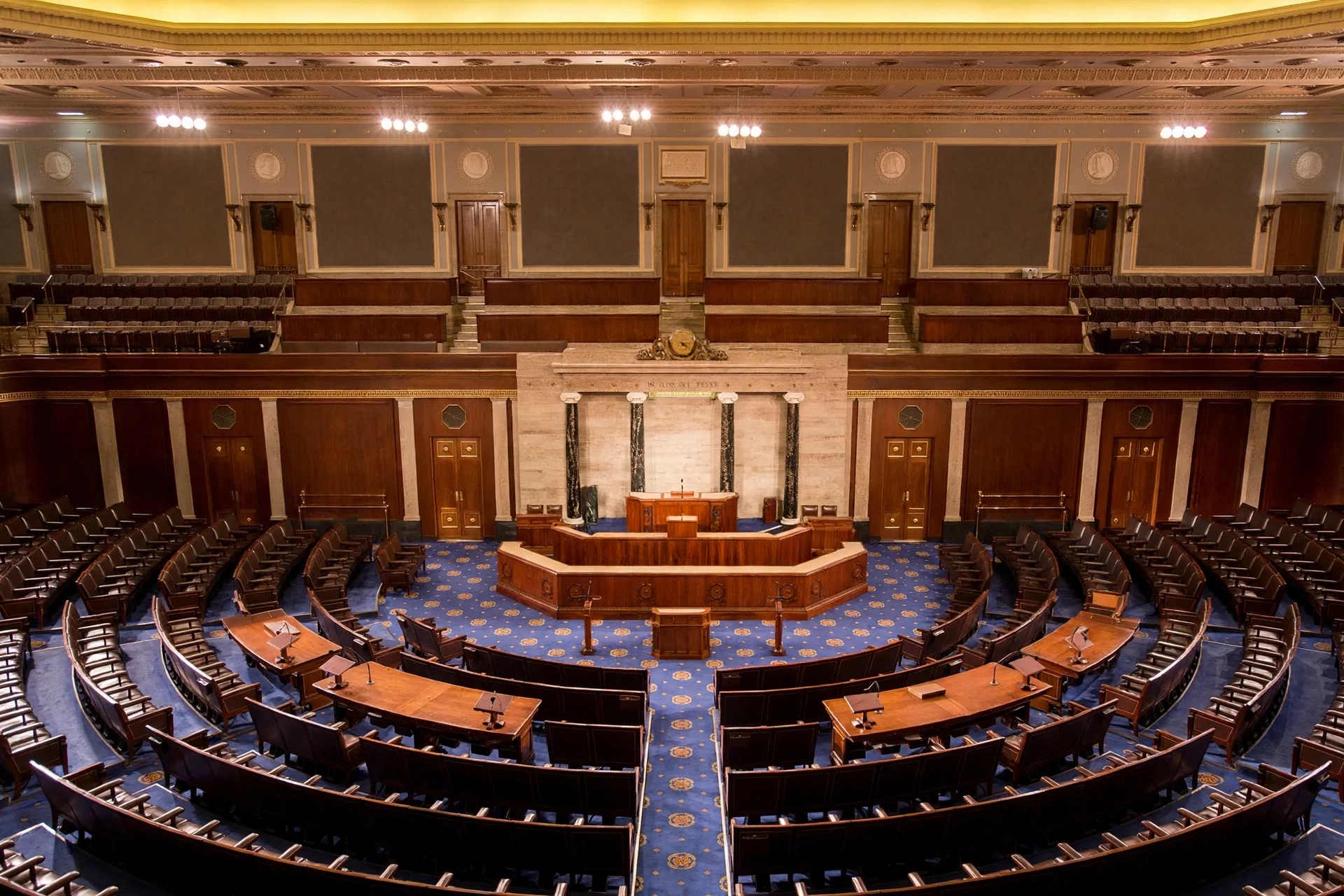
The decision follows a midterm election in which Democrats swept to the House majority, leaving Johnson without a path to power. House Democratic Leader Hakeem Jeffries of New York is expected to become speaker when the new Congress convenes, with the speaker election among the first votes on Jan. 3, 2027.
Johnson wrote to House Republican colleagues that leadership had demanded “significant sacrifices” from his family and that, after three years as speaker, “the time has come for me to give them more of the attention and presence they so richly deserve,” according to Axios reporting cited by USA Today. The letter did not mention the election defeat.
Scalise and Jordan enter the race
The contest to succeed Johnson opened the same day. House Majority Leader Steve Scalise of Louisiana said in a letter to colleagues that “the election was far worse than any of us expected” and that he is running for the minority leadership post because “the stakes couldn’t be higher.”
Rep. Jim Jordan of Ohio, chairman of the House Judiciary Committee, also announced his bid, describing himself in a letter to colleagues as “battle-tested” and saying he knows what it will take to lead the party in the minority. House Republicans are expected to elect their new leader when members-elect gather in Washington next week, with the vote scheduled for Nov. 10.
President Donald Trump told reporters he would stay out of the race and said he did not ask Johnson to step down, according to USA Today.
A short rise, then a sharp fall
Johnson first won the speaker’s gavel in 2023 after his colleagues ousted the previous Republican speaker, Kevin McCarthy of California, in a first-of-its-kind vote in House history. A lower-level member of House leadership at the time, Johnson emerged as the consensus candidate after Scalise and Jordan both failed to win majority support for the job.

Once in office, Johnson drew close to Trump and led passage of the party’s signature package of tax breaks and social services cuts that Trump signed into law. He also shielded the president from embarrassing votes, including a recent effort to impeach Defense Secretary Pete Hegseth, by sending lawmakers home, the Associated Press reported.
Johnson had told voters before the election that Republicans would defy history and hold the House. Instead, the party was trounced, and Democrats are on track to hold their most House seats since 2008. The speaker’s exit sets up a repeat of the leadership battles of recent years between the House Republican Party’s conservative and far-right wings, with Scalise long backed by the conservative wing and Jordan preferred by the hard right, including members of the Freedom Caucus.
Reporting based on coverage by the Associated Press and USA Today.