NASA’s Swift Telescope Burns Up Over Indonesia After 22 Years in Orbit
NASA's Swift Observatory fell back to Earth on Wednesday, closing a 22-year mission that tracked the most powerful explosions in the universe after a last attempt to save it failed.
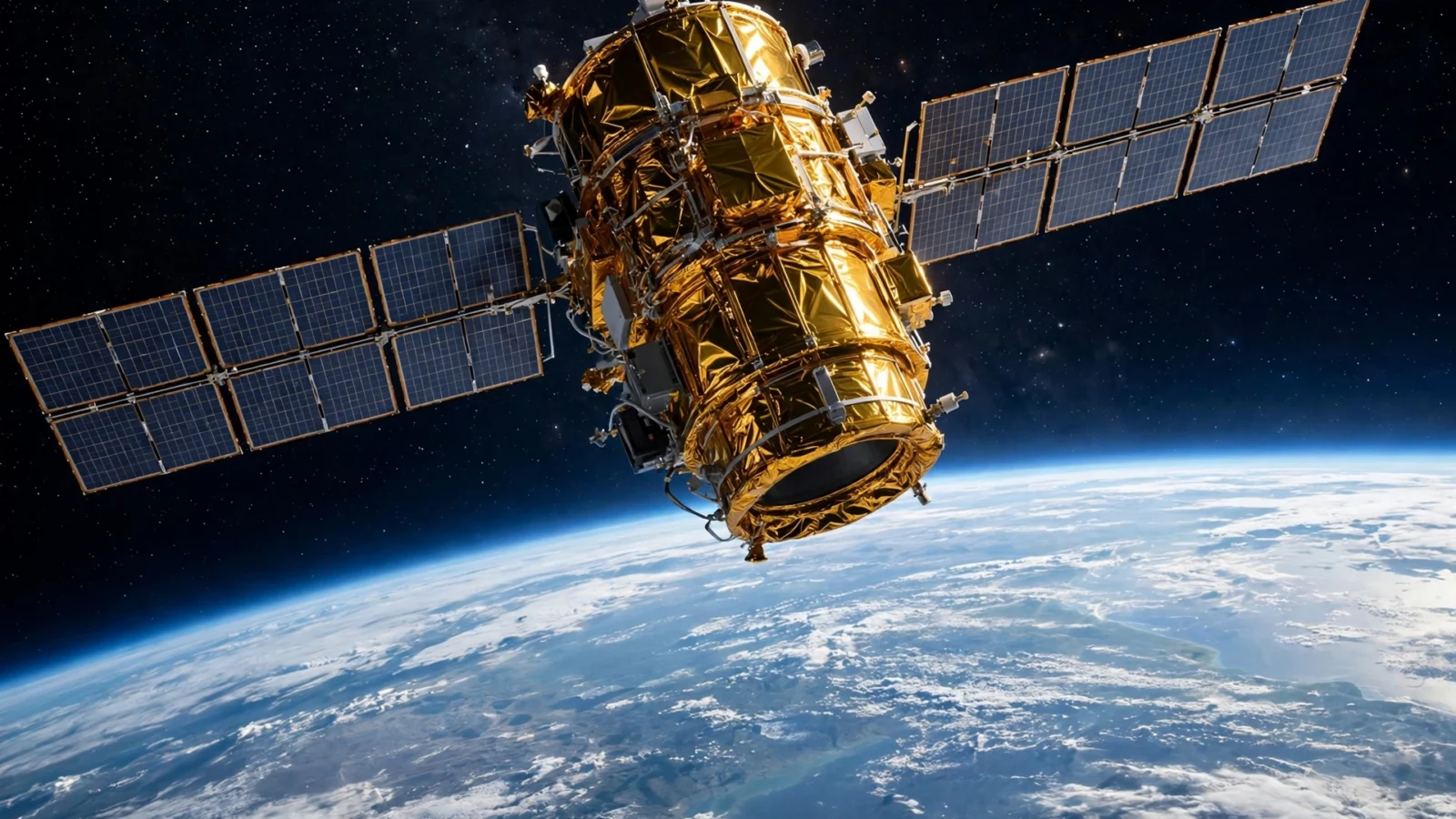
One of NASA’s best-known space telescopes fell back to Earth on Wednesday, ending a 22-year mission spent tracking the most powerful explosions in the universe.
The U.S. Space Force confirmed that the Neil Gehrels Swift Observatory re-entered the atmosphere at 7:39 a.m. EST Wednesday over the North Sumatra region of Indonesia, at about 3.4 degrees north latitude and 98.6 degrees east longitude, NASA said. Most of the 1.5-ton spacecraft was expected to burn up during re-entry, though NASA said some denser parts may have survived.
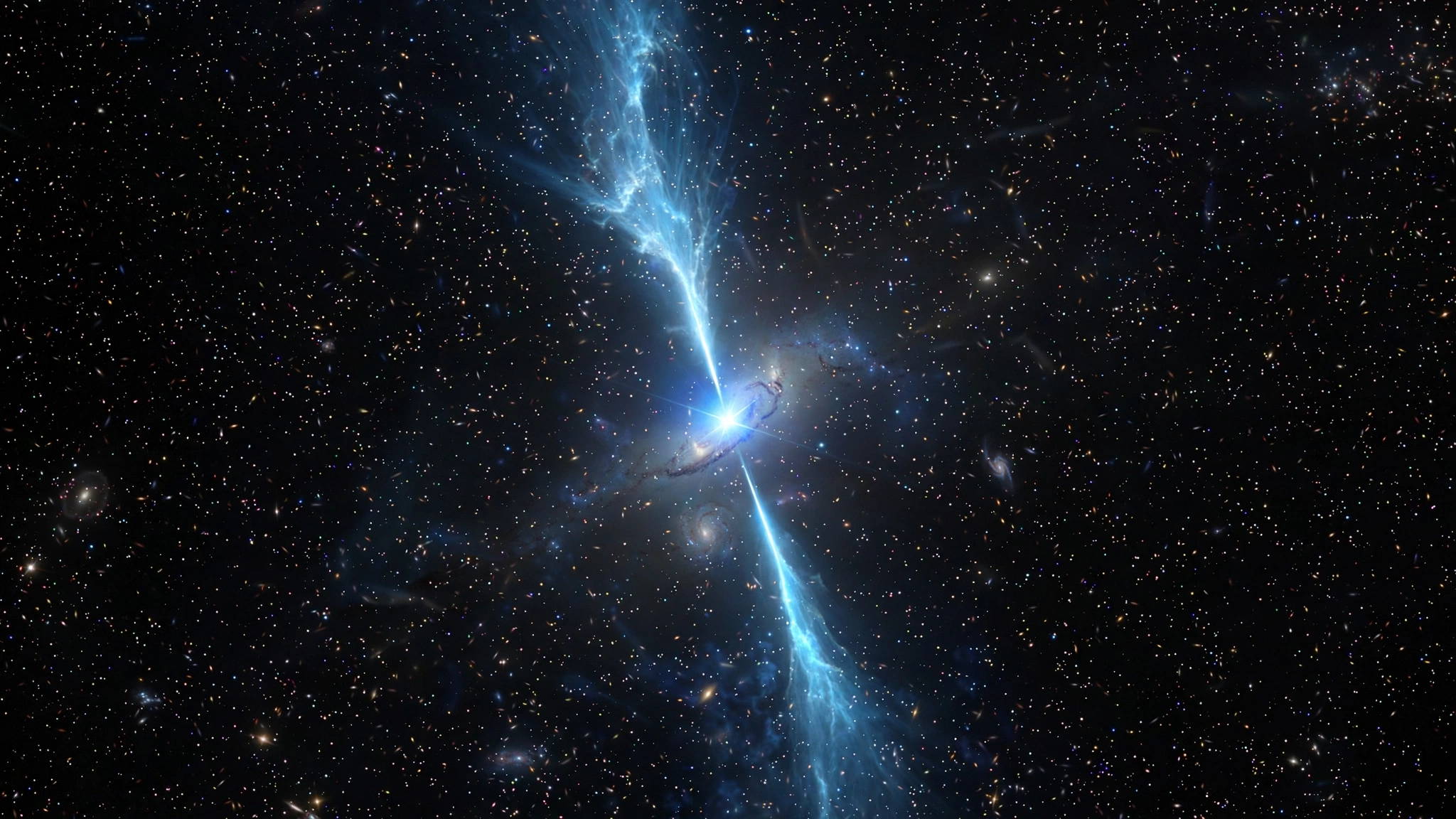
Swift launched in 2004 to study gamma-ray bursts, the brightest explosions known, and other violent events in the sky. It was built for a two-year mission but kept working for more than two decades, spotting thousands of bursts and sending alerts to other telescopes so they could look closer.
A rescue that did not work
The telescope’s orbit had been sinking for years as intense solar activity dragged it lower. NASA hired the private company Katalyst Space to send a robotic craft to grab Swift and push it to a higher orbit, but the craft ran into trouble after its July launch and came crashing down in September.
With the rescue off, Swift kept observing as its orbit decayed, and the spacecraft fell back to Earth less than three months after the rescue attempt failed, according to the Associated Press.
Attention turns to Hubble
NASA is now asking private companies whether they could mount a similar rescue for the Hubble Space Telescope, whose orbit is also being worn down by solar storms. Launched in 1990, Hubble is expected to come down by the mid-2030s, and any mission to boost its orbit, upgrade its systems or guide it to a controlled re-entry would need to happen by 2032.

“Hubble still has important science ahead of it,” NASA Administrator Jared Isaacman said in a statement, “and we should be looking at every reasonable opportunity to keep it delivering for as long as possible.”
Reporting based on coverage by the Associated Press and NASA.