NASA NG-25 cargo flight to carry Ohalo III crop chamber and brain tissue test to space station on November 29
A SpaceX Falcon 9 is set to launch Northrop Grumman's Cygnus XL to the International Space Station on November 29 with about 11,000 pounds of cargo, including the Ohalo III crop chamber and a fluid-handling test for lab-grown brain tissue, NASA says.
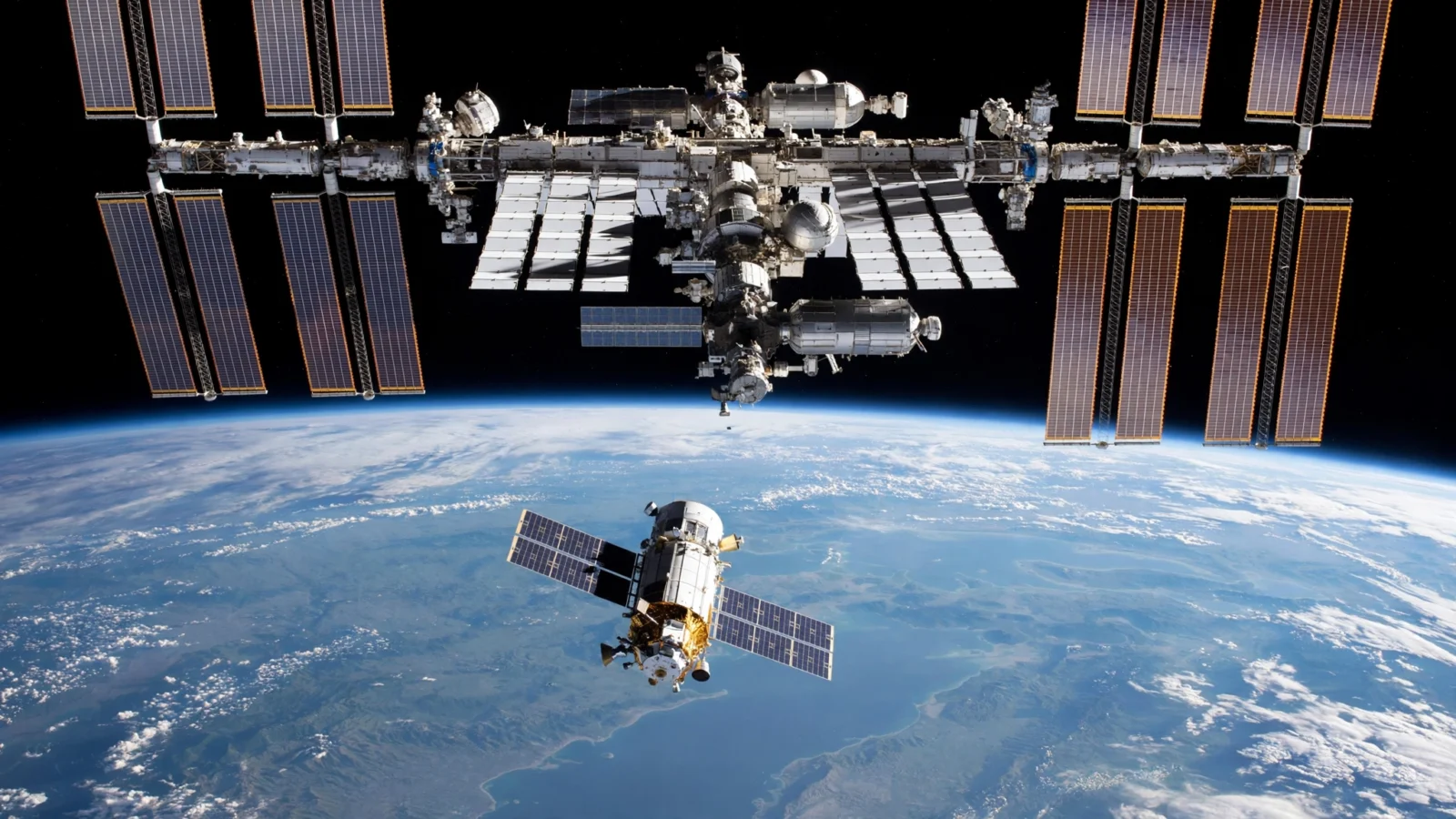
A cargo spacecraft is scheduled to lift off on Sunday, November 29, carrying a prototype crop growth chamber and a fluid-handling test for lab-grown human brain tissue to the International Space Station, according to NASA.
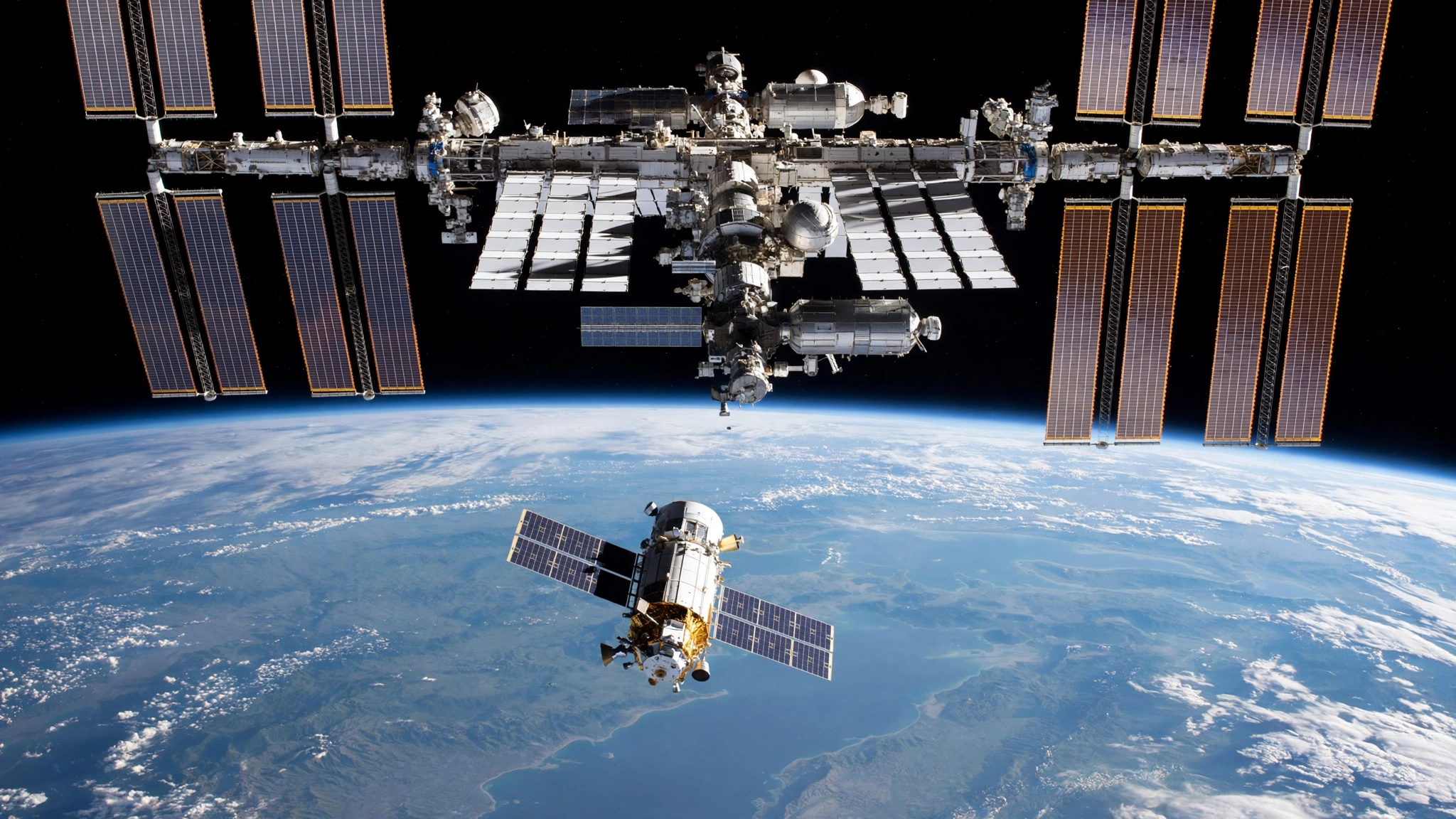
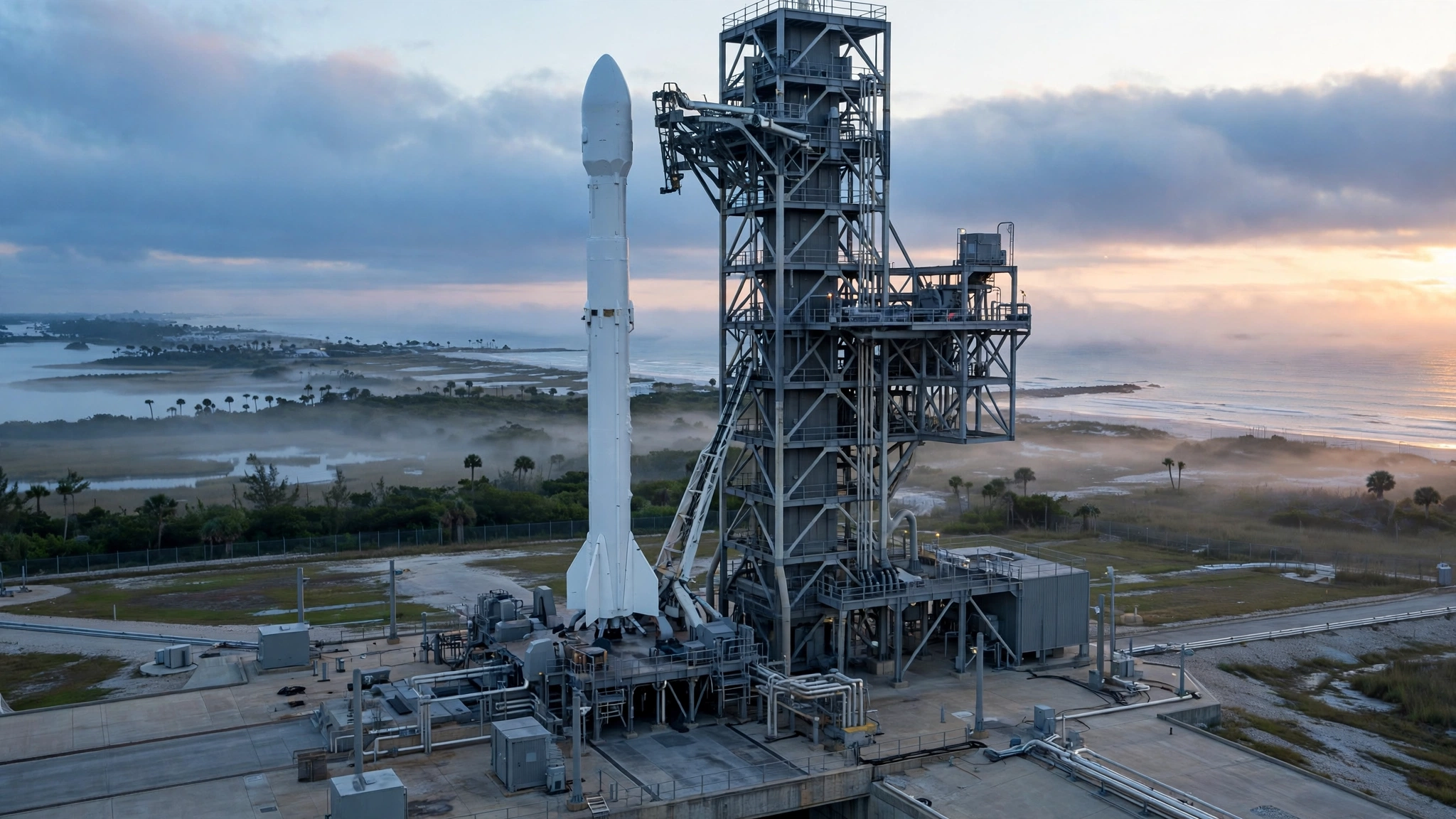
NASA announced the experiments on November 27. They fly aboard Northrop Grumman’s 25th Commercial Resupply Services mission for the agency, which NASA calls CRS-25 and the company calls NG-25. A SpaceX Falcon 9 is set to launch the Cygnus XL spacecraft at 10:47 a.m. EST from Space Launch Complex 40 at Cape Canaveral Space Force Station in Florida, according to NASA’s launch coverage advisory. The spacecraft carries about 11,000 pounds of science investigations, supplies and equipment.
Ohalo III tests water delivery for crops in microgravity
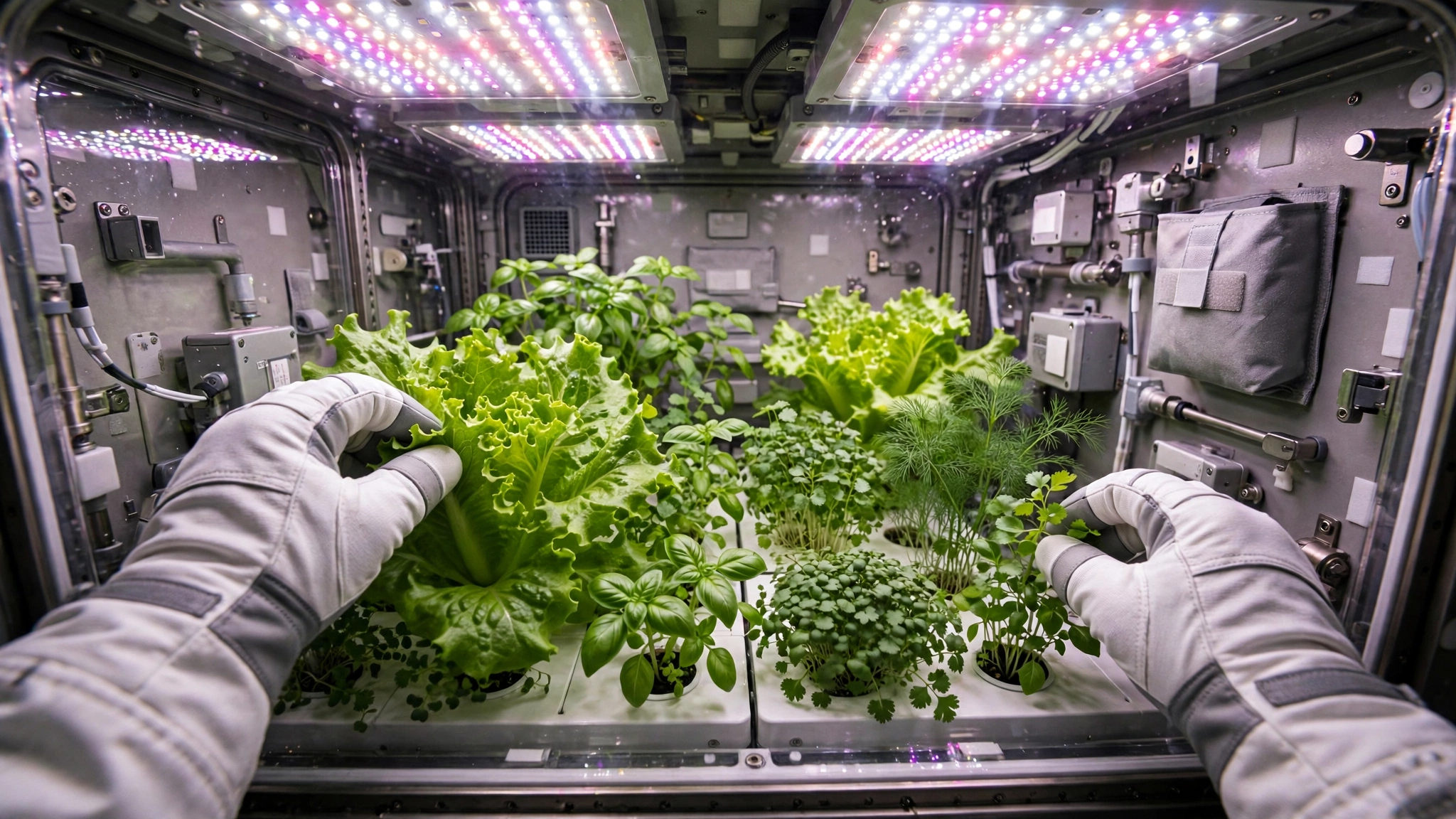
The crop experiment is a growth chamber called Ohalo III. NASA describes it as a first-of-its-kind space crop production system. Researchers will test the chamber’s water delivery and volume optimization technology aboard the station, according to NASA.
NASA says the work is meant to produce information for safe, nutritious and reliable crop production for future Moon base habitats and Mars missions. Astronauts on long missions will need food sources that do not depend entirely on shipments from Earth. NASA says results from the chamber could also inform vertical farming and indoor growing systems on Earth.
Brain tissue test checks a miniature fluid system
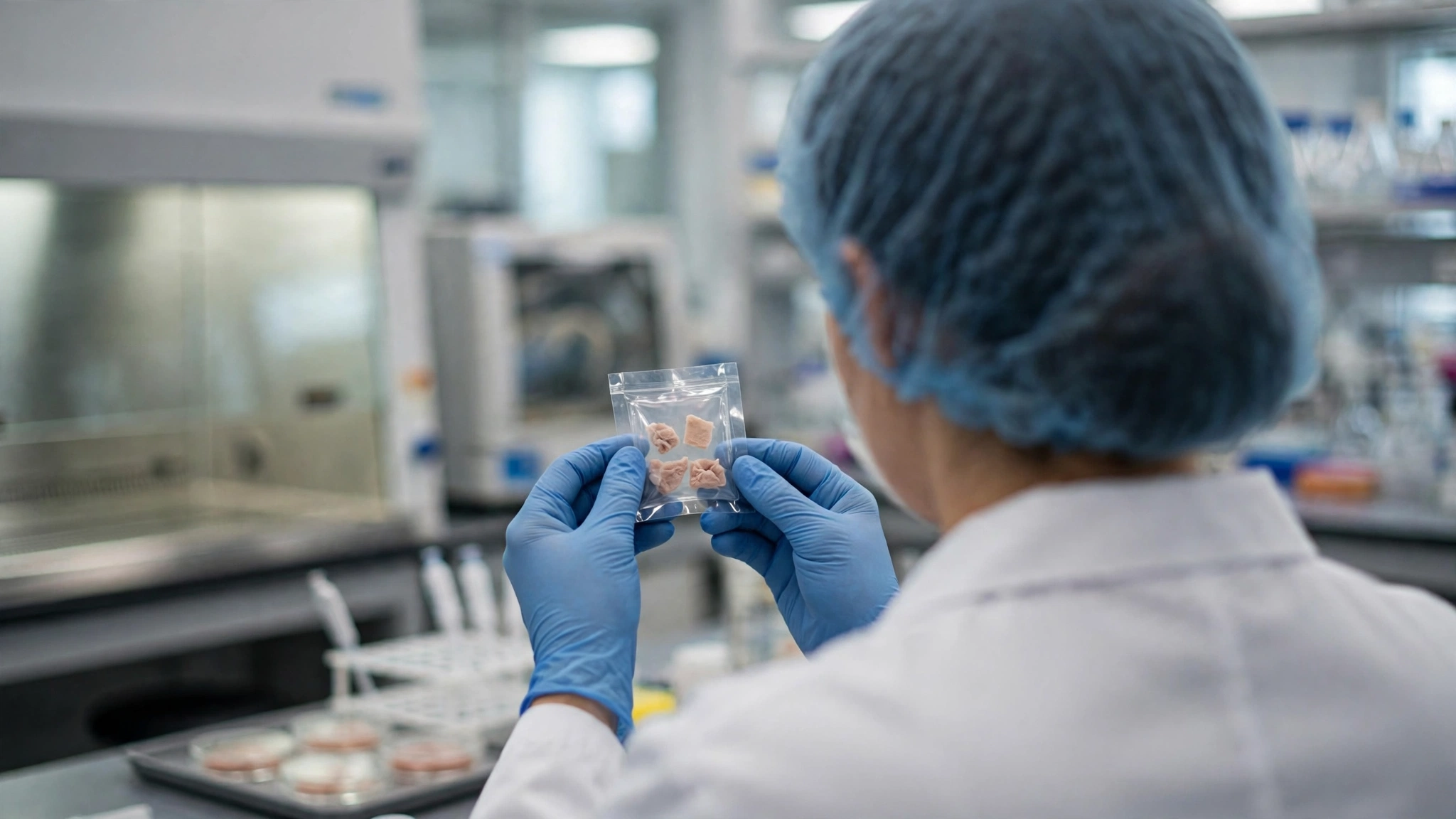
The second investigation builds on an earlier flight that sent miBrains to the station. NASA describes miBrains as small, lab-grown models of the human brain. This flight will test a miniature fluid-handling system built to mix, deliver and maintain the nutrient-rich liquid that keeps the tissues alive, according to NASA.
NASA calls the work a step toward long-duration studies of human brain tissue in space. The agency says findings could help researchers identify neurological risks linked to spaceflight and could advance human tissue research and neurological disease modeling on Earth. Both investigations come from NASA’s Biological and Physical Sciences Division.
Capture is set for December 1
NASA astronauts Jessica Watkins and Luke Delaney will use the Canadarm2 robotic arm to capture Cygnus XL on Tuesday, December 1, according to the agency’s advisory. Ground controllers will then install the spacecraft on the Earth-facing port of the Unity module for unloading. The spacecraft is scheduled to stay at the station until May 2027. It will then depart with disposal items and burn up during re-entry, according to NASA.
Reporting based on coverage by NASA and CASRAI.