Spain Train Crash Death Toll Rises to 69 as Search Continues Near Urda
Regional leader Emiliano Garcia-Page said the death toll from the collision near Urda rose to 69 on Thursday, as investigators examined a signal failure and a decision to let a Renfe train proceed at normal speed toward a stopped Iryo train.
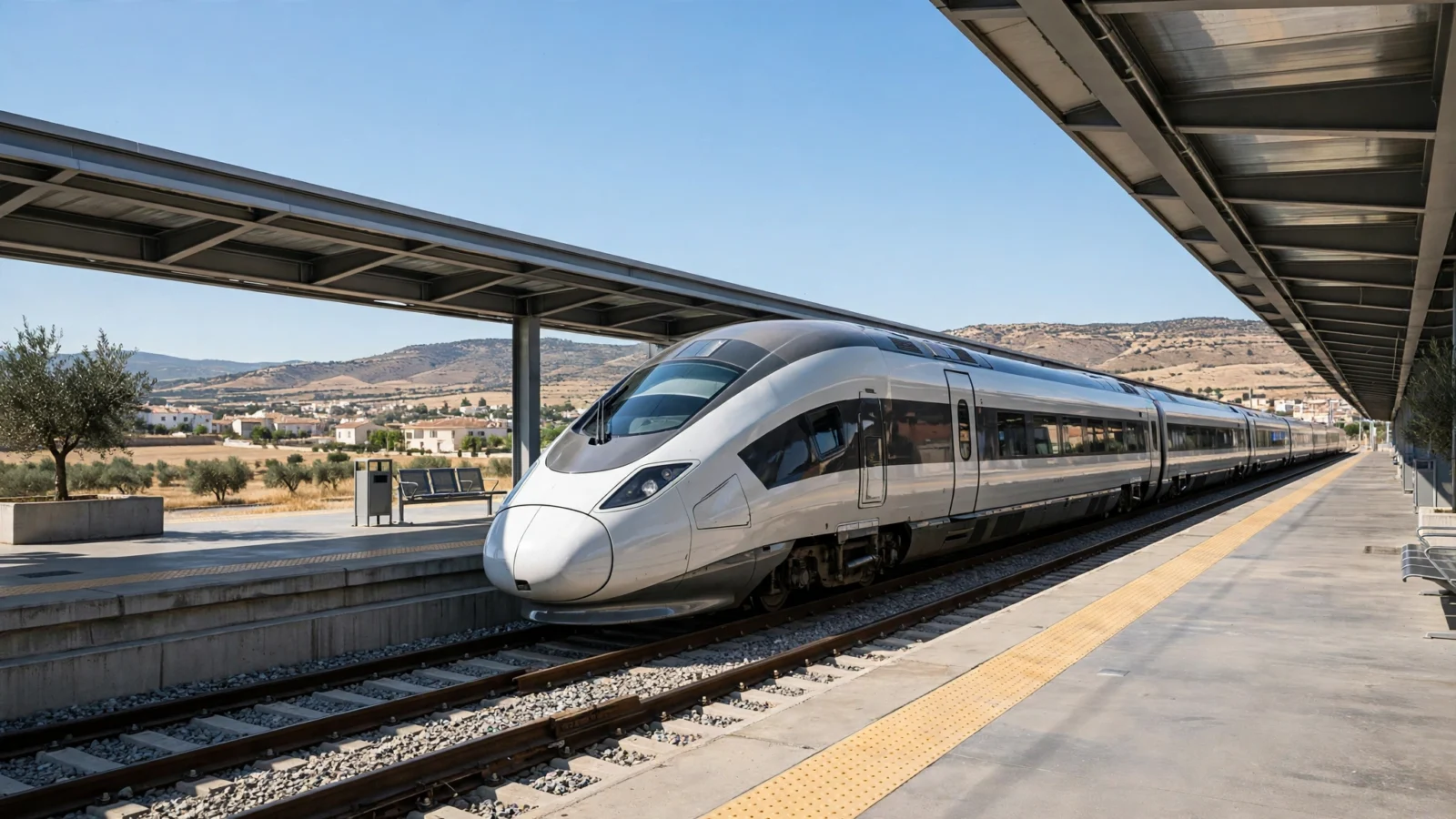
URDA, Spain. Rescuers searched through wrecked train cars on Thursday after the death toll from a high-speed train collision near Urda rose to 69, regional leader Emiliano Garcia-Page said. The count rose by one from Wednesday, and Garcia-Page said human remains were found during overnight rescue work.
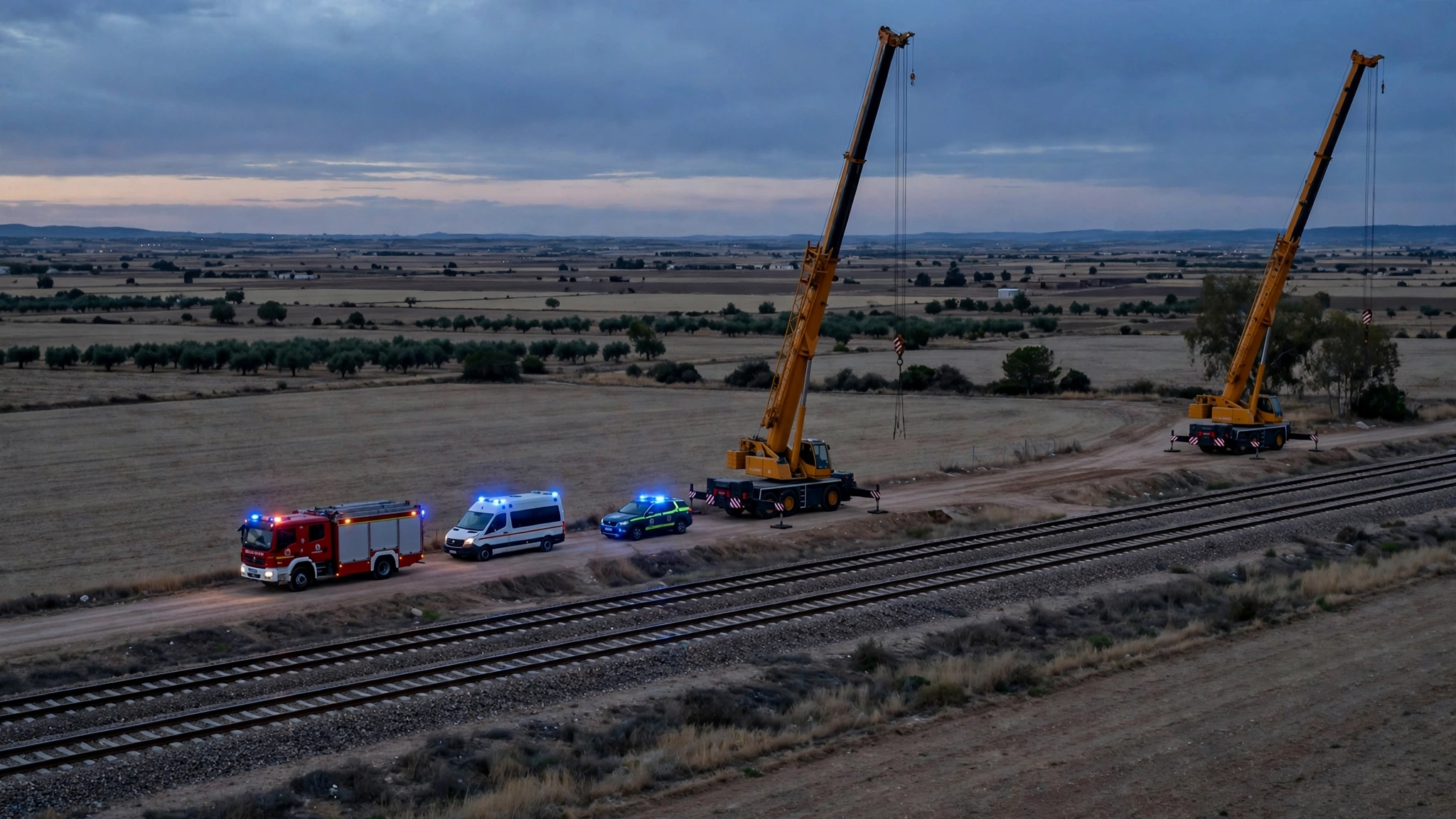
The toll stood at 68 on Wednesday, when a Renfe train struck a stopped Iryo train on the Madrid-Seville line in Toledo province. Authorities said 57 injured people remained in hospitals on Thursday. Spain’s Foreign Ministry said 42 foreign citizens from seven countries were involved in the crash, and that one of them was killed and at least seven were injured.
Among those killed was Fatima Banez, a former labor minister who chaired the social and corporate responsibility arm of Spain’s employers’ association, according to Reuters. The crash was the second fatal high-speed train crash in Spain this year and the deadliest train accident in Europe since a derailment in Santiago de Compostela in 2013, Reuters reported.
What investigators are examining
Transport Minister Oscar Puente said on Wednesday that several trains stopped after a signal failure and that a Renfe train was then authorized to proceed at normal speed even though a stationary Iryo train was ahead. The government has described that decision as inexplicable, Reuters reported.
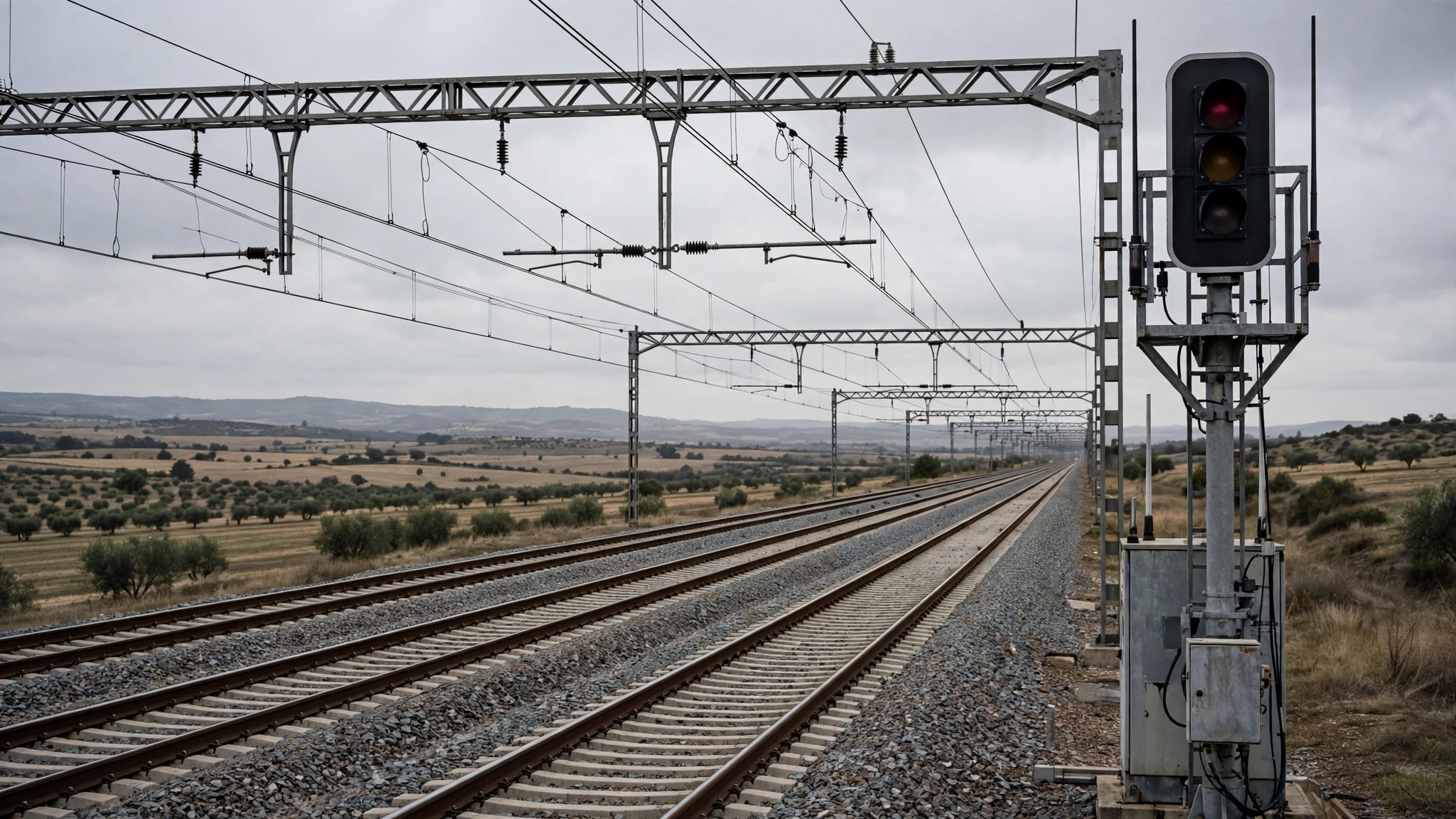
Spanish press reports published on Thursday added detail about the minutes before the crash. Le Monde reported that elDiario.es cited recordings from drivers and the Adif control center at Atocha station in Madrid. According to those recordings, the Iryo driver reported at 8:48 a.m. that he could not verify the safety system and was at a standstill. Twelve minutes earlier, the Renfe driver had been told to disconnect and then reconnect the LZB safety system and to resume normal speed under emergency traffic procedures. The collision happened at 8:54 a.m., Le Monde reported.
Le Monde also reported that El Periodico said Spain’s national guard was focusing its investigation on the Adif control center that authorized the Renfe train to resume its trip. El Mundo reported that Adif controllers warned the national railway safety agency in May that heavy workloads in control centers could put network safety at risk. Sources inside Adif told ABC that the LZB system was old and prone to frequent failures, and Le Monde reported that the Transportation Ministry began steps as early as 2020 to replace a system dating back to the 1970s.
Mourning, a strike and a suspended campaign
Spain declared three days of national mourning. Prime Minister Pedro Sanchez, who traveled to Toledo, said authorities were working day and night to support victims and their families and to establish every detail of the crash. Pope Leo sent condolences to the families of those killed and wished a speedy recovery to the injured, the Vatican said, according to Reuters.
Train drivers went ahead on Thursday with a strike planned before the crash to press for more investment in railway safety. Diego Martin of the train drivers’ union SEMAF said at Madrid’s Atocha station that the union would keep demanding the measures needed to make the sector safe again and to keep all safety systems required to maintain quality standards. Renfe said the strike caused large disruption and that passengers could change or cancel tickets free of charge.
The crash also interrupted campaigning for a snap election set for November 29, Reuters reported, with leaders of Spain’s two main parties suspending campaign events. Spain’s Interior Ministry said the response involved more than 800 military and police personnel, more than 200 vehicles, three helicopters, drones, mounted units and search dogs. A judge in Toledo barred anyone not involved in emergency, security, health care or judicial work from the crash site, with a 2-kilometer exclusion zone in both directions along the line.
Reporting based on coverage by Reuters and Le Monde.