SS United States, Once the Fastest Liner on the Atlantic, Sinks Off Florida to Become the World’s Largest Artificial Reef
The 990-foot ocean liner, launched in 1951 and still holder of the transatlantic speed record, went down off Destin on Wednesday after a slow, five-hour flooding. It will rest in about 180 feet of water as a dive site and marine habitat.
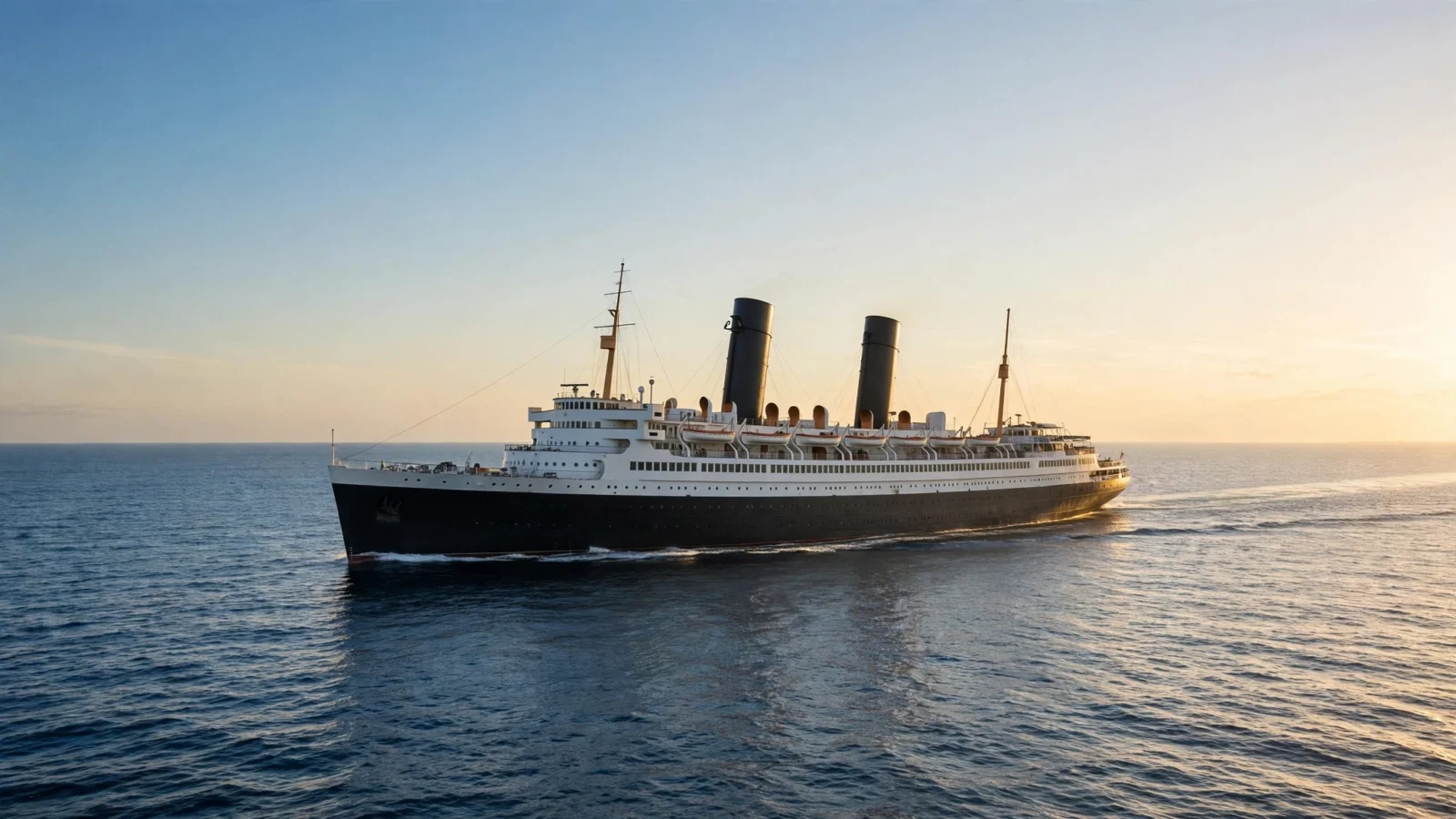
The SS United States, once the fastest passenger liner on the Atlantic, sank Wednesday off the Florida Panhandle, closing a 75-year story that began with a transatlantic speed record and ended with a slow, planned descent to the Gulf floor, where it will become the world’s largest artificial reef.
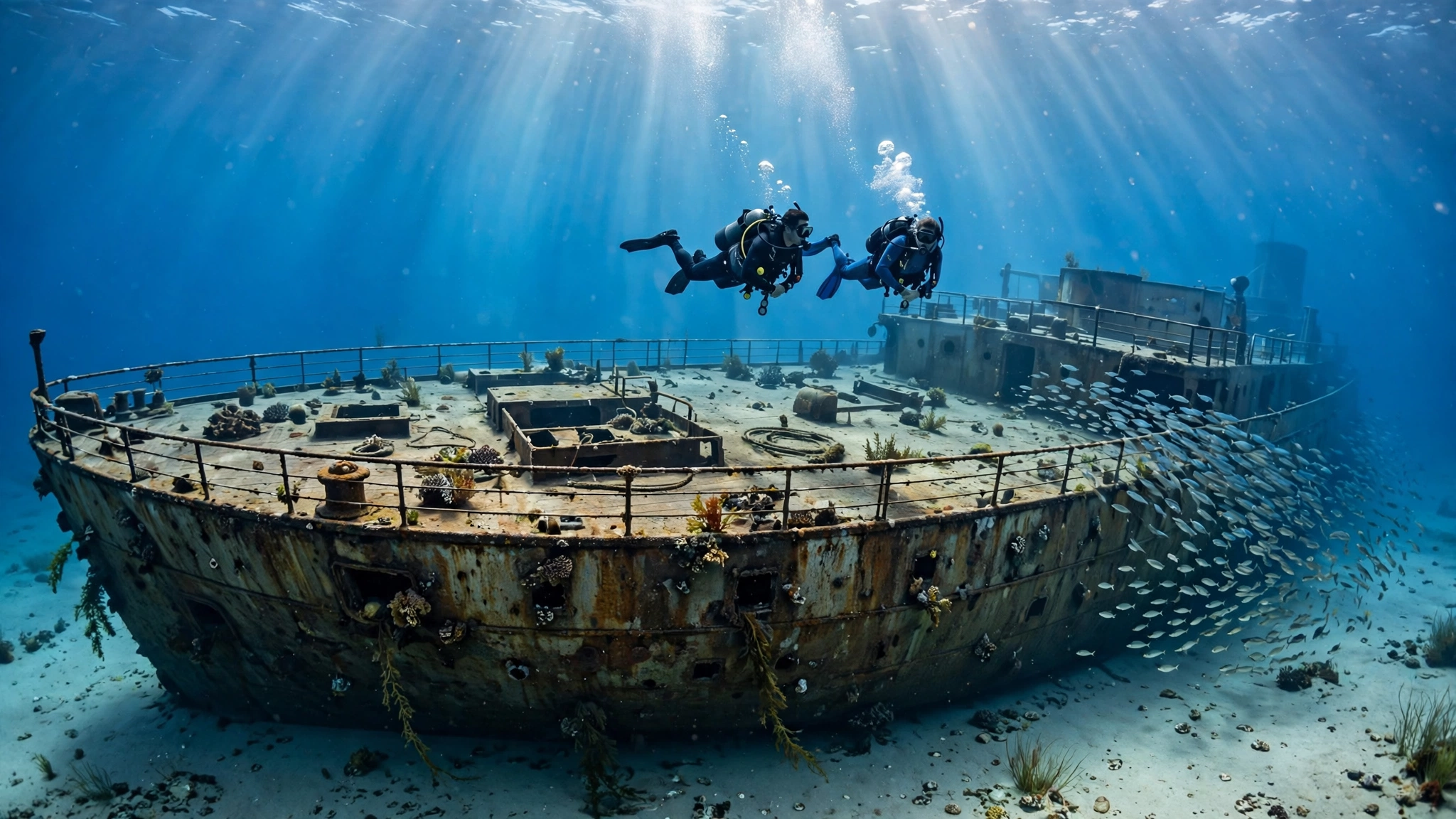
Crews began flooding the 990-foot ship at about 2:40 p.m. Eastern by removing plugs in the hull, letting water in without explosives. After hours of delays, the liner tilted onto its side and slipped below the surface at about 9:59 p.m., according to USA Today. It settled upright in about 180 to 200 feet of water, roughly 20 nautical miles southwest of Destin.
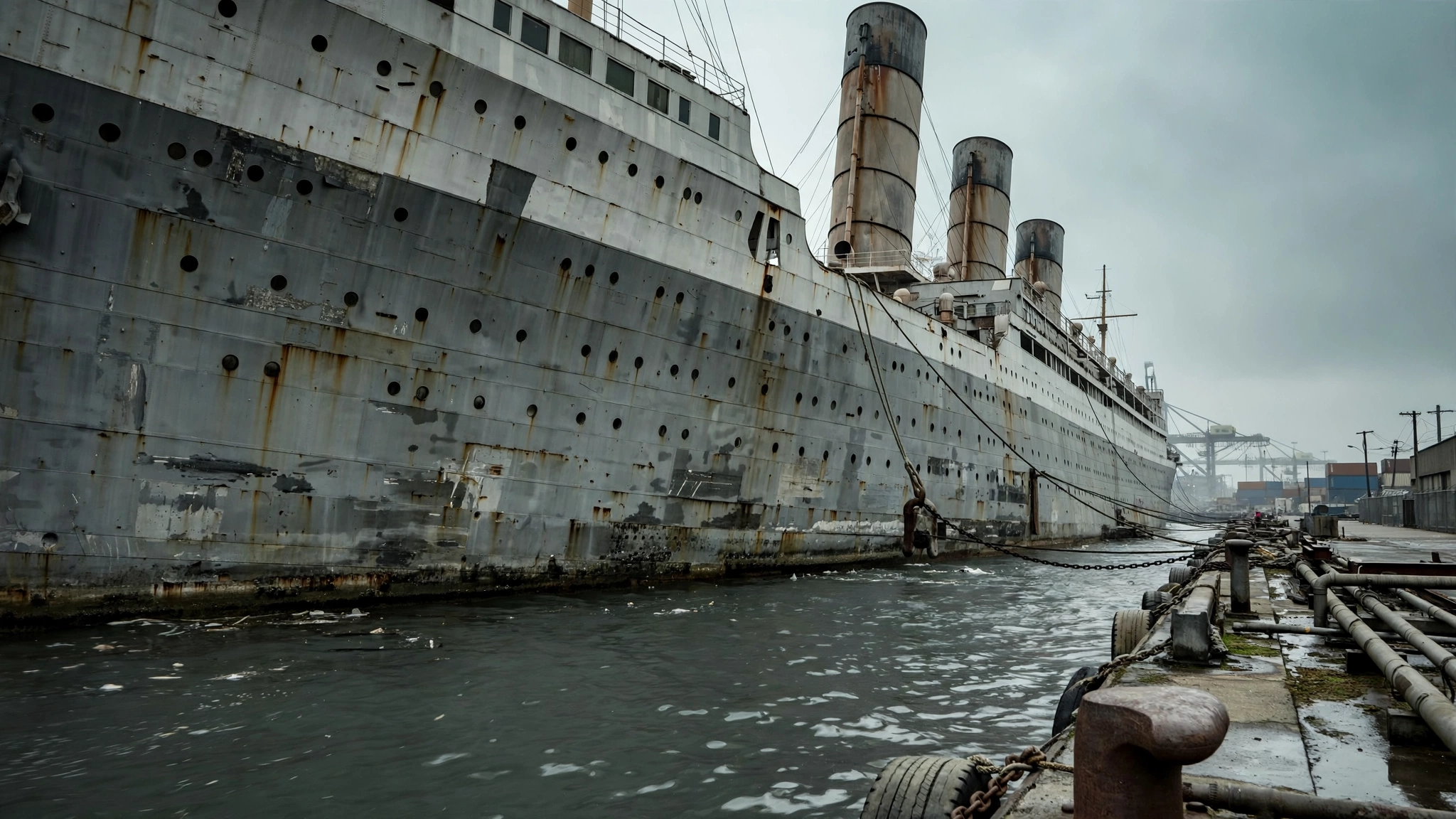
Launched in 1951, the ship was longer than the RMS Titanic and crossed the Atlantic in under four days on its maiden voyage in 1952, a speed record no ship has beaten since. It crossed the ocean more than 800 times and carried four presidents, the Mona Lisa and a string of 20th century movie stars. Its designer, William Francis Gibbs, built the hull to convert into a troopship in wartime. After the age of the passenger jet, the liner spent decades moored in Philadelphia, rusting and facing the scrap heap.
A reef, a dive site and a bet on tourism
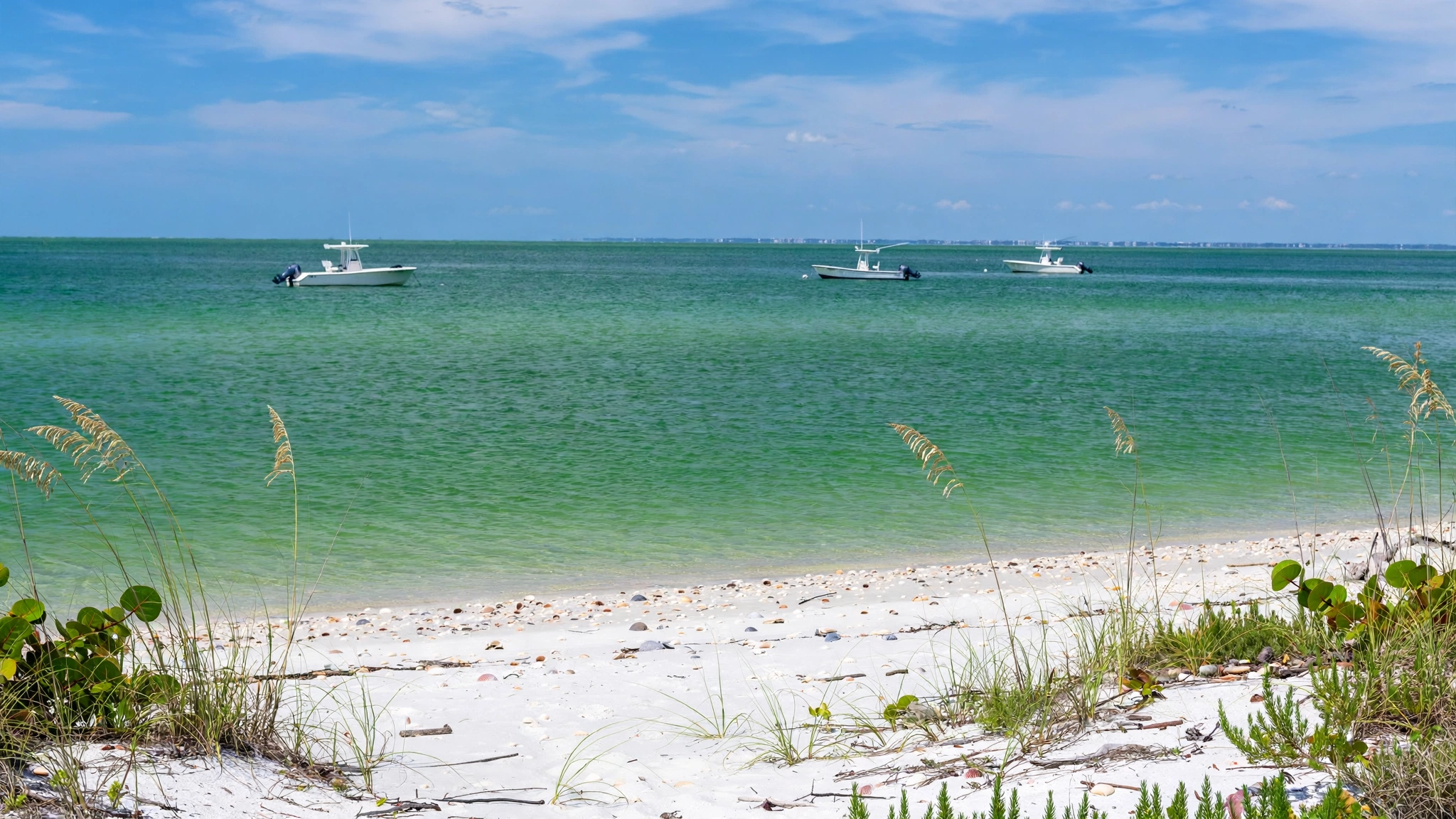
Okaloosa County organized the sinking as a $13.5 million project. The hull was stripped of toxic materials and bulky parts before the ship was towed into place, and it was set down so its upper deck sits about 60 feet below the surface, inside the limits for recreational diving. The liner joins the USS Oriskany, an 888-foot aircraft carrier sunk off Pensacola in 2006, giving the area the first and second largest artificial reefs in the world. Reefs already bring roughly $10 million to $12 million in annual economic benefits to the county, tourism director Jennifer Adams told NPR, and she expects that number to climb.
For the people who fought to save the ship, the sinking carried mixed feelings. Susan Gibbs, head of the SS United States Conservancy and the granddaughter of the ship’s designer, told NPR she felt “a complex mix of sorrow but gratitude and pride and hope” before the sinking. Her group sold the ship to Okaloosa County in 2024. “We felt that reefing was by far the more dignified solution,” she said, compared with the scrapyard. A lawsuit seeking to halt the sinking was turned down by U.S. District Judge M. Casey Rodgers on Nov. 6.
Divers are already lining up. Wreck diver Karen Flynn, whose Maryland-based club booked tickets and a charter boat days after a date was set, told NPR the ship will be “one more unique, new thing for us to dive.” The Woods Hole Oceanographic Institution plans to work with other research groups to track how marine life colonizes the wreck over time.
Reporting based on coverage by NPR, the Associated Press and USA Today.