Trump Weighs Direct US Strikes on Houthis as Britain Sends Typhoon Jets to Defend Saudi Arabia
President Trump says the United States could join strikes on the Iran-backed Houthis, while Britain announced it will deploy Typhoon jets to help defend Saudi Arabia. The moves follow a deadly wave of Houthi missile and drone attacks that has killed civilians, shuttered airports, and strained air-defense stockpiles.
President Donald Trump is weighing direct U.S. military strikes against the Iran-backed Houthis, a step that would put American firepower on another front as Saudi Arabia struggles to defend its cities and airports from an intensifying wave of missile and drone attacks.
Trump kept the option open in remarks earlier this month, telling reporters the United States could join Saudi operations against the group. “We may. We’re gonna look at it,” he said. “We’ll make a decision. We move very quickly.” The U.S. ran a roughly two-month bombing campaign against Houthi targets in Yemen in 2025 before Trump halted it after an agreement brokered by Oman, and Washington continues to provide intelligence and targeting support to Riyadh, the New York Post reported.
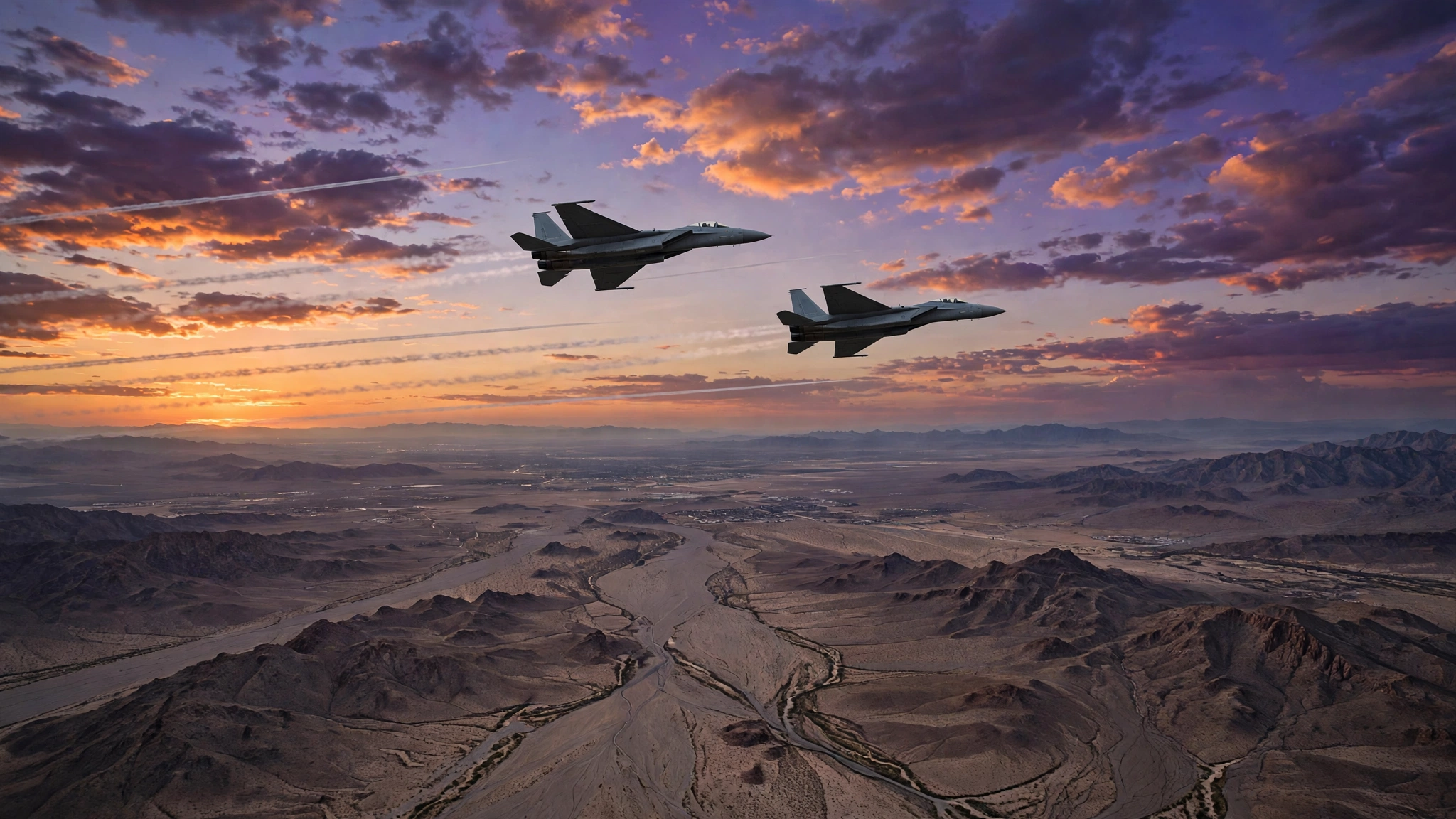
Britain moved first among America’s allies. On Tuesday, London announced it will deploy Typhoon fighter jets to help defend Saudi cities and critical infrastructure, according to the New York Post. Egypt is assisting the kingdom, and Israel has offered to help, the paper reported.
Airports hit as interceptors run short
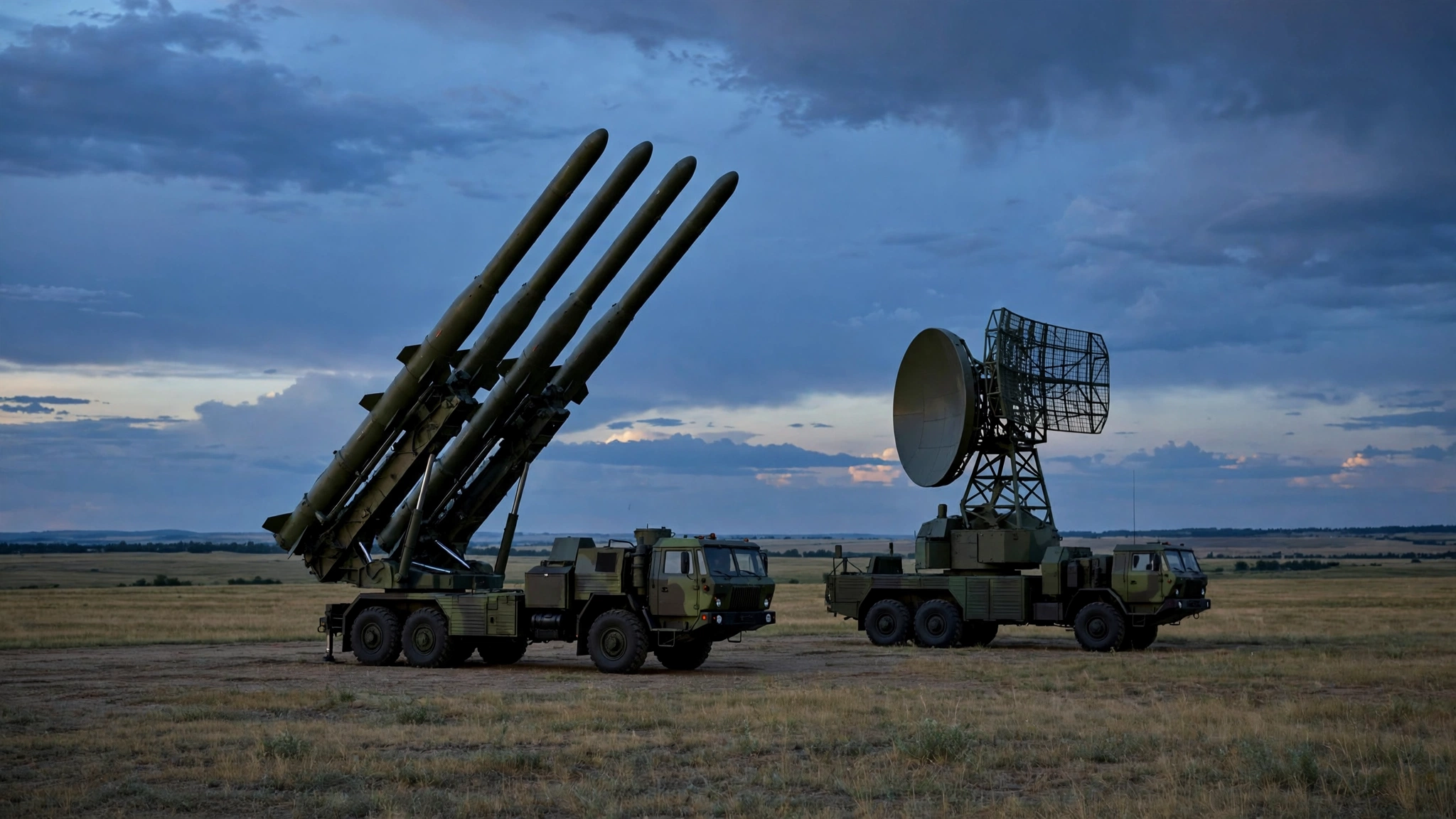
Riyadh has asked Washington for additional missile interceptors, though U.S. officials warned that global demand is straining available supplies. Secretary of State Marco Rubio said Tuesday he had spoken with Saudi officials about the request. “I also talked to Saudi Arabia today; they’d like interceptors. Israel would like interceptors. We would like interceptors. Every country in the world would like interceptors,” Rubio said, calling the weapons “probably the most in-demand product right now in the defense field.” He said the United States must balance requests from allies against its own military requirements.
The deadliest barrage struck Riyadh’s King Khalid International Airport, killing at least 13 people and wounding more than 300, the New York Post reported. Houthi strikes and attempted strikes on Saudi Arabia more than doubled in a single week this month, according to the Armed Conflict Location and Event Data Project, with airports in Riyadh, Jizan, Najran, Dammam and Abha targeted since Oct. 5.
The airport resumed limited operations Wednesday after being closed since Oct. 10. International carriers including Lufthansa and Air France have canceled flights to Riyadh through mid-November, while Saudi carriers Saudia and FlyNas were among those operating limited services Wednesday. U.S. officials have been warning pilots about the airspace for weeks: the FAA told U.S. airlines to use caution over Saudi Arabia as the closure dragged on.
Ordered departure, limited to Saudi Arabia
The escalation prompted the State Department to order non-emergency U.S. government employees and their family members to leave Saudi Arabia. The order covers personnel at the U.S. Embassy in Riyadh and its satellite consulates, NewsNation reported, citing a senior Trump administration official.

State Department spokesperson Tommy Pigott confirmed Wednesday that the mandatory departure order applies only to Saudi Arabia, pushing back on reports that Washington was preparing a broader evacuation of diplomatic personnel across the Gulf. “The US Department of State issued an ordered departure for non-emergency US government employees and their family members in Saudi Arabia only,” Pigott said. A new State Department travel alert warned that “the hostilities have the potential to escalate rapidly beyond that immediate area,” and Newsmax reported that U.S. embassies elsewhere in the Gulf would undergo temporary staffing adjustments.
The fighting continued Wednesday. The Saudi-led coalition reported intercepting and destroying five drones launched toward the kingdom early in the day, including over the holy city of Madinah and the Eastern Province. Separately, Saudi authorities said debris from an intercepted drone killed two people and wounded two others at an Aramco-operated oil field in southeastern Saudi Arabia. The Houthis have acknowledged targeting the airport, claiming without providing evidence that Saudi Arabia used the facility to supply military equipment to government forces.
Reporting based on coverage by the New York Post and Newsmax.