US Durable Goods Orders Rise 1.8% in September as Aircraft Orders Jump 28.4%
New orders for US-made durable goods rose 1.8% to $345.4 billion in September, the Commerce Department reported Tuesday, with transportation equipment accounting for most of the gain. Orders for core capital goods rose 0.5%, and shipments jumped 1.2%.
New orders for US-made durable goods rose 1.8% in September to $345.4 billion, the Commerce Department’s Census Bureau reported Tuesday, after a revised 0.1% gain in August. The increase of $6.3 billion left orders up 8.0% from a year earlier.
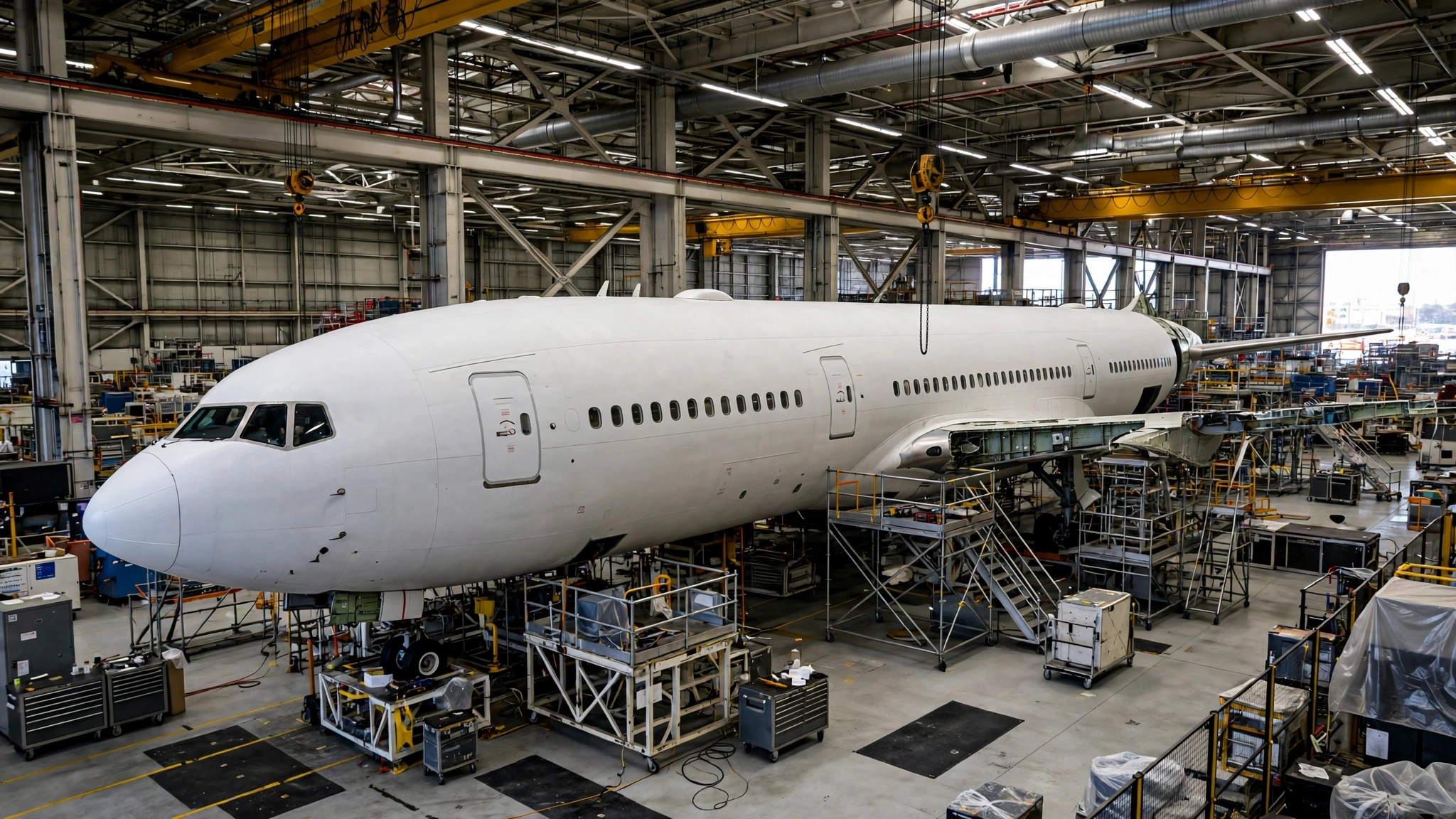
Transportation equipment drove most of the gain, rising 4.6%. Motor vehicle and parts orders rose 0.3%, while orders for civilian aircraft jumped 28.4%. Boeing reported on its website that it had received 165 aircraft orders in September, up from 15 in August.
Business equipment orders keep growing
Orders for non-defense capital goods excluding aircraft, a measure watched as a proxy for business spending, rose 0.5% in September after a 1.6% gain in August. Economists polled by Reuters had forecast a 0.7% rise. The orders were up 10.9% from a year earlier.
Shipments of those goods, which feed into the calculation of business spending on equipment in the gross domestic product report, rose 1.2% after a 0.6% gain in August and were up 8.8% from a year earlier. Overall non-defense capital goods orders rose 6.2%, and shipments rose 1.7%.
The report backed economists’ expectations of strong third-quarter growth. The government is scheduled to publish its advance estimate of GDP for July through September on Thursday, and economists forecast growth above a 3.0% annual rate. Reuters reported that economists estimated business spending on equipment grew at roughly a 20% annualized rate last quarter, a third straight quarter of double-digit growth.
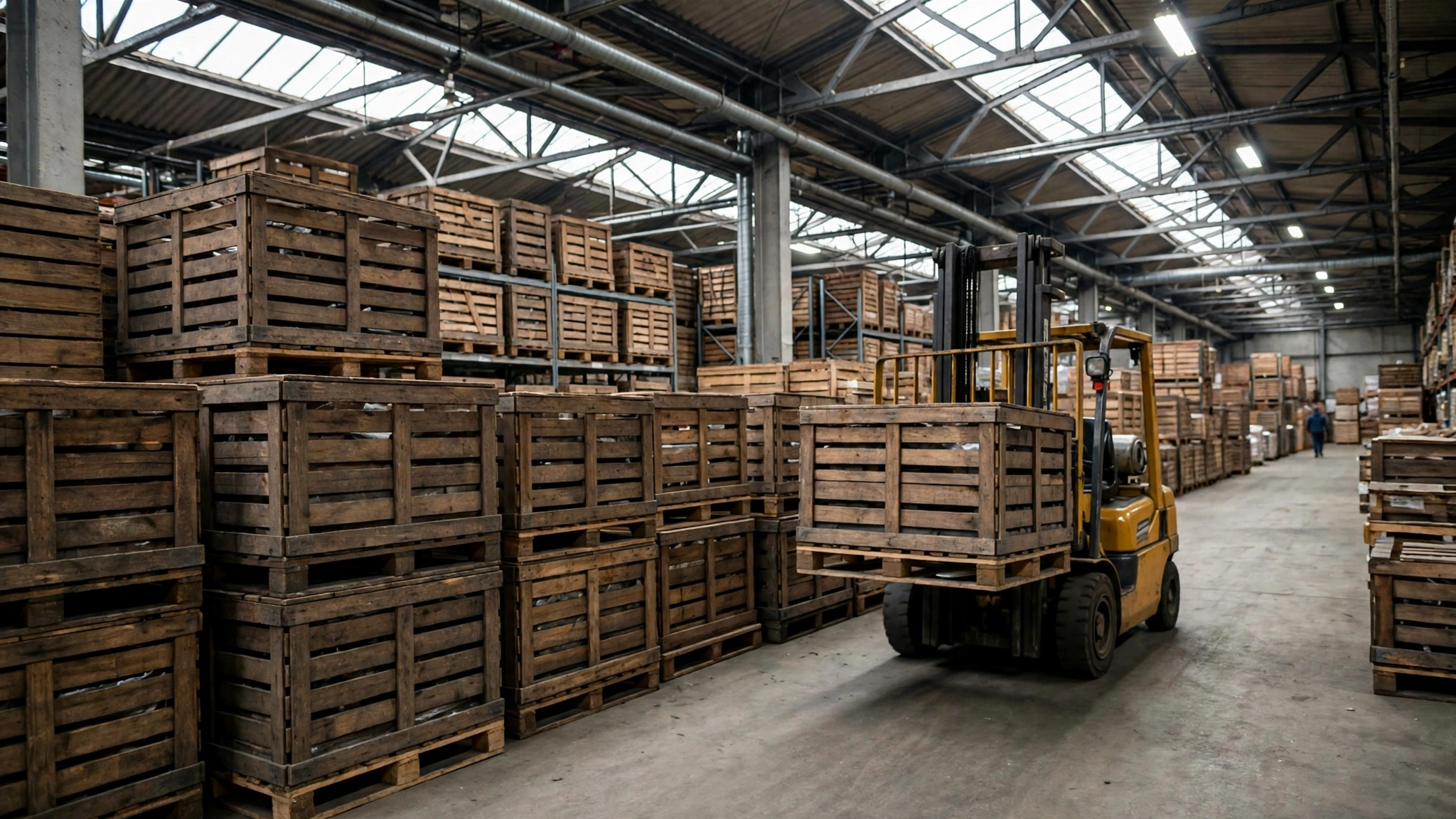
“There is an investment boom and not everyone in America is participating in it, but the equipment expenditures will continue and economic growth will likely have a 3% handle on it for the foreseeable future,” said Christopher Rupkey, chief economist at FWDBONDS.
There are also doubts about how long the pace lasts. “Survey measures of capex intentions, however, also suggest that core equipment investment will lose momentum ahead, with a slowdown especially likely if the recent surge in borrowing costs is sustained,” said Oliver Allen, senior US economist at Pantheon Macroeconomics.
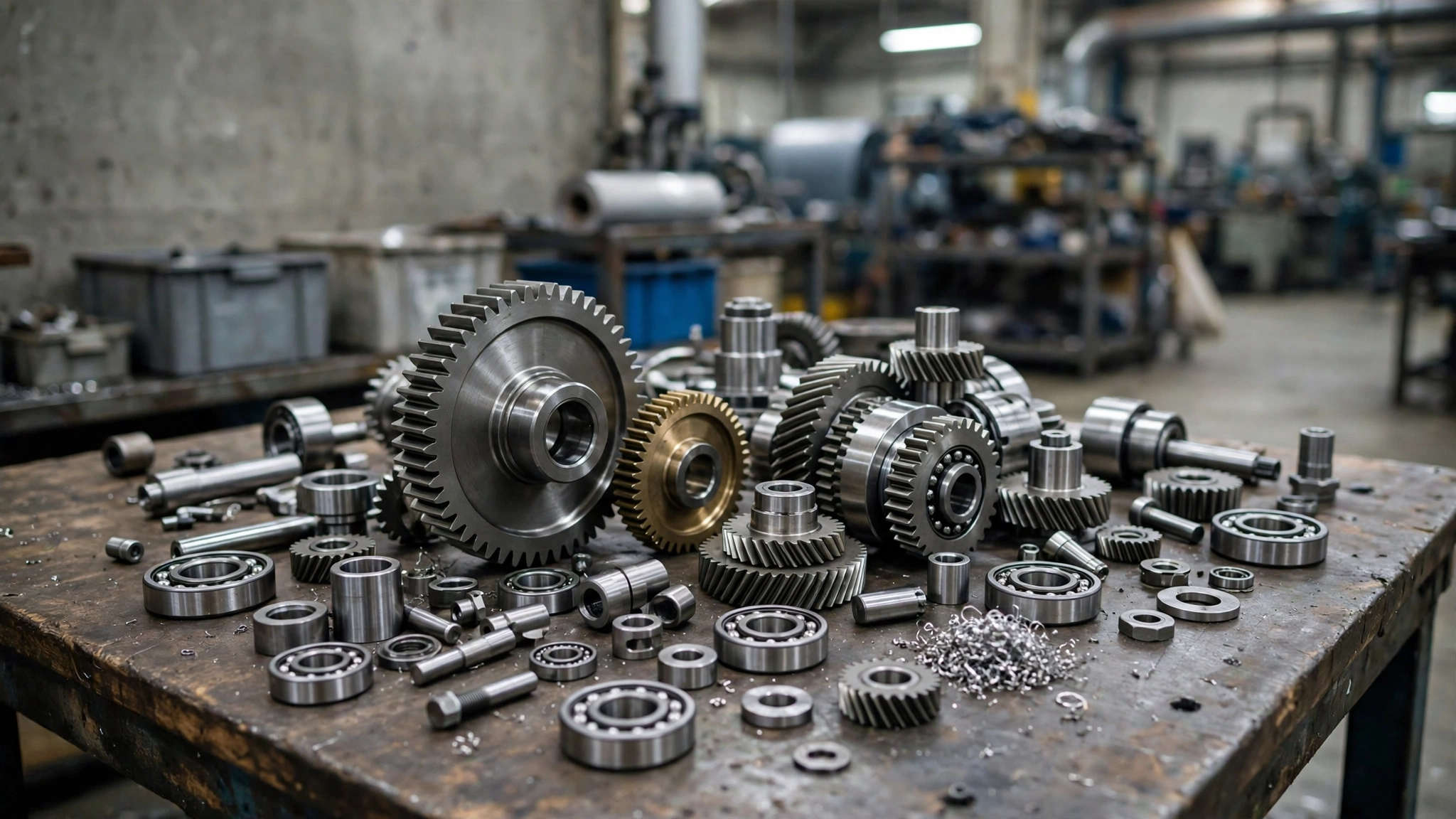
The Federal Reserve raised its benchmark overnight interest rate to the 3.75%-4.00% range last month and was expected to keep borrowing costs unchanged on Wednesday, when its two-day meeting ends.
Reporting based on coverage by Reuters.