78% of Americans Say Trump Policies Contributed to Rising Costs, Reuters/Ipsos Poll Finds
A Reuters/Ipsos survey of 4,506 adults found 78% assign some blame to the White House for prices rising faster than pay, including 64% of Republicans, less than a month before the November 3 midterms.
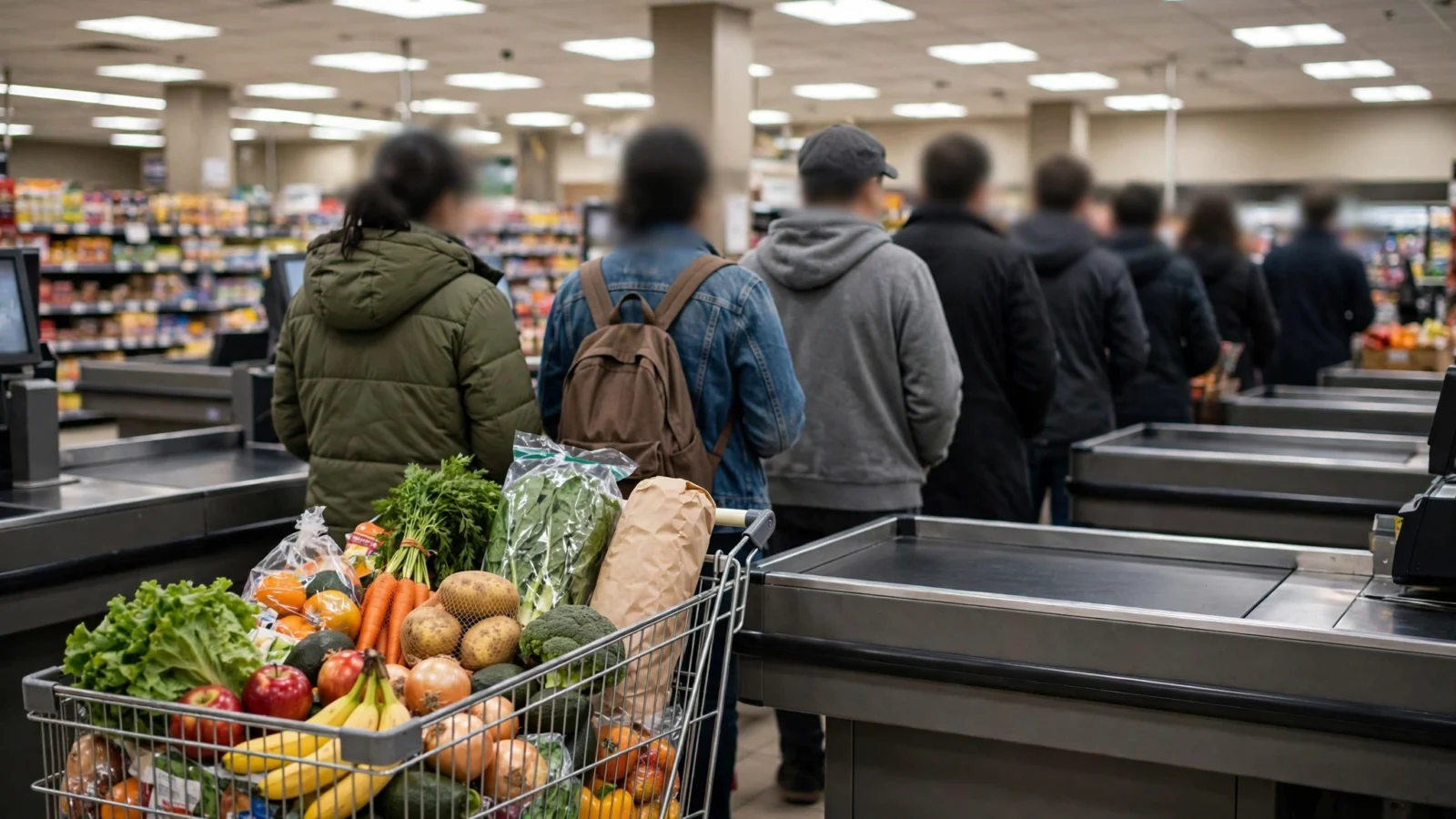
Most Americans say White House policies have played a role in prices rising faster than their earnings, according to a Reuters/Ipsos poll released Friday, with the cost of living ranking as voters’ top concern ahead of the November 3 midterm elections.
The six-day online survey, completed Monday among 4,506 U.S. adults, found that 78% of respondents assigned some blame to President Donald Trump’s policies for higher prices, according to Reuters. That view was shared across party lines, including 64% of Republicans and 76% of independents in the poll, which had a margin of error of 2 percentage points overall and 3 points for party subgroups.
Inside the president’s own party, 57% of Republicans said living costs have been growing faster than their paychecks, Reuters reported. About one in four Republicans disapproved of Trump’s handling of the economy, a view held by 63% of independents and 92% of Democrats. Dissatisfaction was broader on prices specifically: 68% of all respondents, including 40% of Republicans, said they were unhappy with the administration’s handling of inflation.
Prices at the pump and at home
Respondents who said costs had climbed a lot in the past year outnumbered those who saw little change, with 54% saying the cost of living had increased a lot, compared with 30% who said it was up only a little and 10% who said it was unchanged, according to Reuters. The survey period coincided with a national average gasoline price of $4.36 a gallon on Thursday, up from $3.11 a year earlier, and a 30-year mortgage rate of 7.5%, Reuters reported.
The poll also found early signs of households trimming discretionary spending: 63% of respondents said they were eating out less often, and 56% said they were spending less on entertainment or streaming services, according to Reuters. Smaller shares reported driving less or falling behind on bills. Separate economic data cited by Reuters showed hourly pay gains rising roughly in line with consumer prices, leaving many workers running in place.
What it means for November
With control of Congress at stake on November 3, the findings suggest the economy — rather than any single policy fight — is framing the closing weeks of the campaign. Reuters reported that respondents in both parties most often named the cost of living as the issue shaping their vote.
The White House disputed the portrayal. Spokeswoman Taylor Rogers said the president had ended the inflation crisis he inherited from former President Joe Biden through tax cuts and lower prescription drug costs, and pointed to what she described as tangible wins for American families, according to Reuters.
For now, the survey offers Republicans a warning and Democrats an opening: if voters continue to connect higher prices with the party in power, the final month of the midterm campaign will be fought largely at the checkout line.
Reporting based on coverage by Reuters.