Flu vs. COVID vs. RSV: How to Tell Them Apart and What to Do About Each
Flu, COVID-19, and RSV cause nearly identical symptoms each winter. Here is how each one spreads, how each is prevented and treated, and what to do when you get sick.
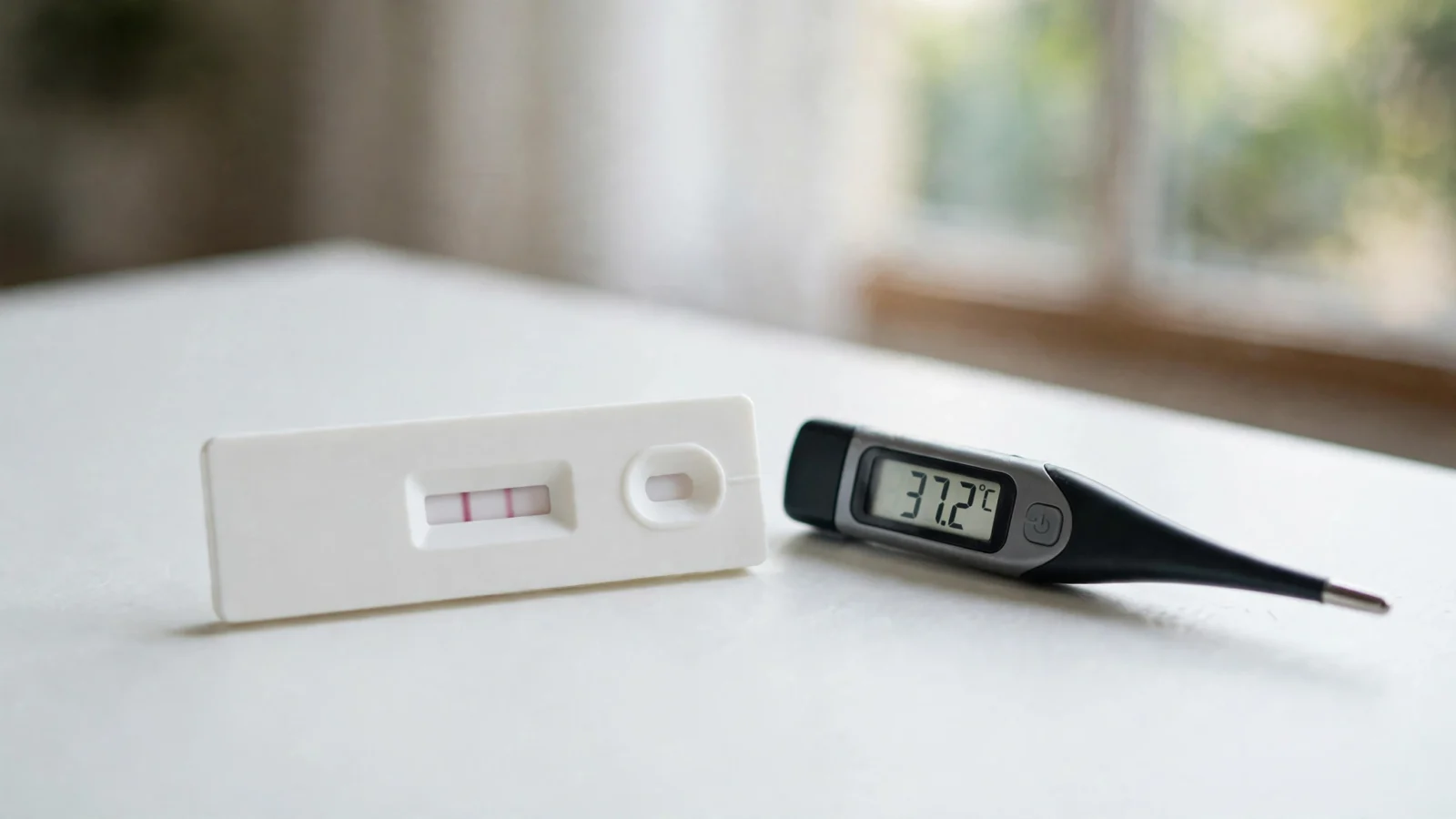
Every fall and winter, the same three respiratory viruses start circulating at once: influenza, the coronavirus behind COVID-19, and respiratory syncytial virus (RSV). All three can cause fever, cough, sore throat, fatigue, and a runny nose, which is why people mix them up. The differences matter because each one has its own vaccine schedule, its own testing approach, and its own treatment options. Knowing which virus you are dealing with changes what you should do next.
The flu, explained
Influenza is caused by influenza viruses, mostly types A and B, which drive the seasonal epidemics. Flu season in the United States runs roughly from October through May and usually peaks between December and February. Symptoms tend to arrive suddenly: fever, chills, cough, sore throat, muscle aches, headache, and fatigue. Most healthy adults recover in a few days to two weeks, but the flu sends hundreds of thousands of Americans to the hospital in a typical season and causes tens of thousands of deaths. The exact numbers change from year to year.
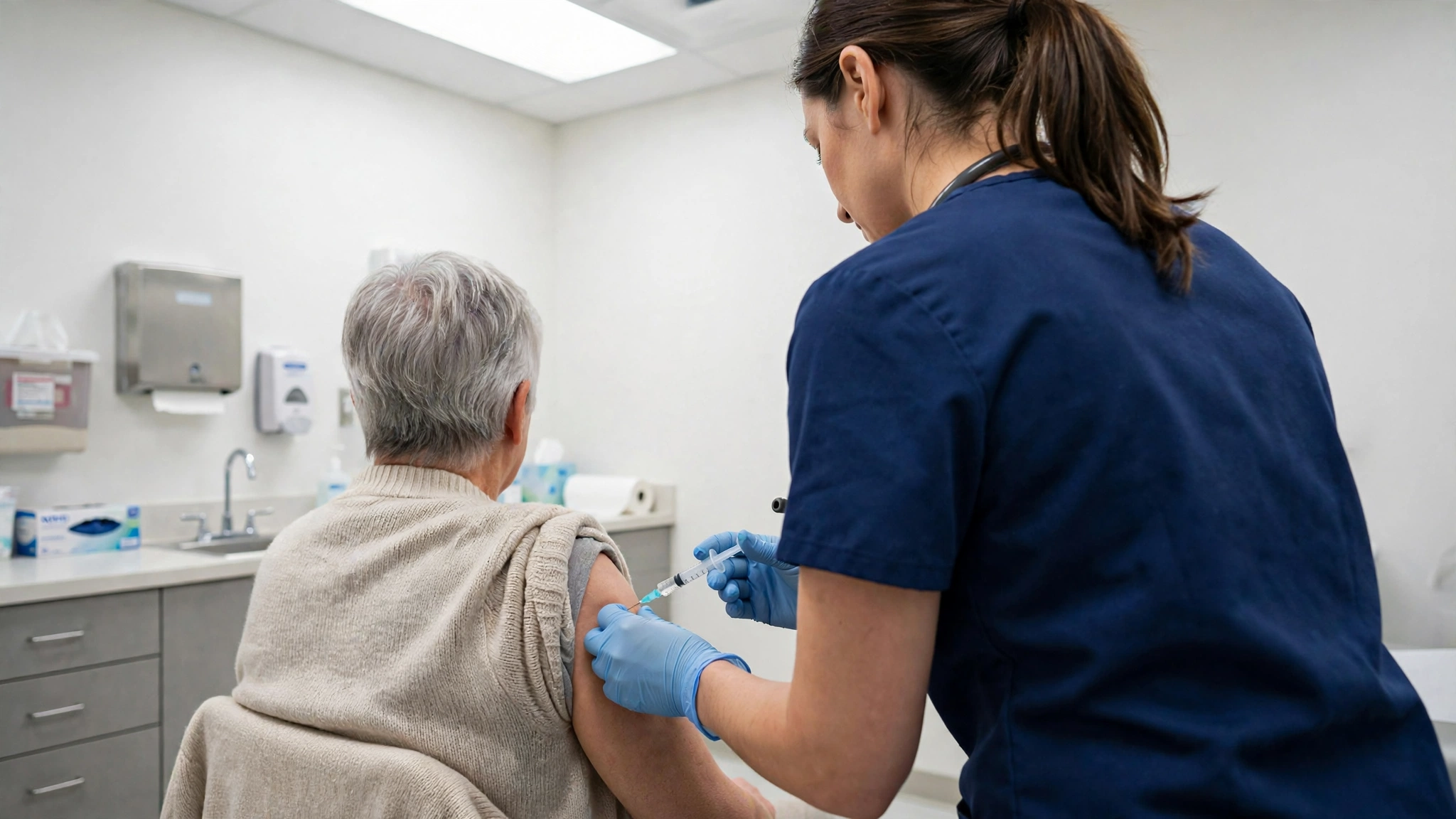
The CDC recommends an annual flu shot for everyone 6 months and older, because the circulating strains change from season to season. If you get sick, antiviral drugs such as oseltamivir can shorten the illness, but they work best when started within 48 hours of the first symptoms, so early testing matters.

COVID-19, explained
COVID-19 is caused by the SARS-CoV-2 virus. It shares most flu symptoms: fever, cough, fatigue, sore throat, and sometimes shortness of breath. Loss of taste or smell was a common early sign in the first waves of the pandemic, though it became less common with later variants. One difference from flu is timing: COVID-19 circulates year-round rather than keeping to a strict season, although it still surges in fall and winter.
Updated COVID-19 vaccines are released as the virus changes, and health agencies recommend that everyone 6 months and older stay up to date. For people at high risk, including adults 65 and older, people with weakened immune systems, and those with certain chronic conditions, antiviral treatment with nirmatrelvir-ritonavir can lower the chance of severe illness, but it must start within five days of symptoms.

RSV, explained
Respiratory syncytial virus is so common that nearly every child is infected by age 2. In older children and healthy adults it usually feels like a bad cold: runny nose, cough, sore throat, sometimes a low fever. The risk concentrates at the ends of the age range. Infants under 6 months can develop bronchiolitis or pneumonia, and adults 75 and older face a higher chance of hospitalization.
RSV season overlaps with flu season, roughly fall through spring. There is no routine antiviral for it; care is usually rest and fluids. Prevention now exists where it did not a few years ago. Vaccines are available for adults 75 and older, for adults 60 to 74 with higher-risk conditions, and for pregnant people, whose antibodies protect newborns. Infants can also receive a preventive monoclonal antibody, nirsevimab, before or during their first RSV season.
The three, side by side
| Flu | COVID-19 | RSV | |
|---|---|---|---|
| What it is | Infection by influenza viruses (types A and B) | Infection by the SARS-CoV-2 coronavirus | Infection by respiratory syncytial virus |
| Who gets it hardest | Adults 65+, young children, pregnant people, people with chronic conditions | Adults 65+, people with weakened immune systems, people with certain chronic conditions | Infants under 6 months and adults 75+ |
| Season | October to May, peaks December to February | Year-round, with fall and winter surges | Fall through spring |
| Prevention | Annual flu shot for everyone 6 months and older | Updated COVID-19 vaccine for everyone 6 months and older | Vaccines for older adults and pregnant people; preventive antibody for infants |
| Treatment | Antivirals work best within 48 hours of symptoms | Antivirals for high-risk people, started within 5 days | Supportive care with rest and fluids; no routine antiviral |
| Typical costs | Flu shots are usually free with insurance; antivirals need a prescription | Over-the-counter rapid tests cost a few dollars; vaccines are usually covered | Testing is usually done in a clinic; vaccines are usually covered for the recommended groups |
| Pros | The vaccine is updated every year; treatment works fast when started early | At-home tests make diagnosis easy; effective treatment exists for high-risk patients | In healthy adults it is usually mild; new prevention options cover the most vulnerable |
| Cons | Sends hundreds of thousands to hospitals each season; protection fades fast | Keeps circulating year-round; vaccines need updates as the virus changes | Can turn serious quickly in infants; symptoms alone cannot separate it from flu or COVID |
The verdict: what to do when symptoms start
Start with a test, because symptoms alone cannot separate the three. If a rapid test shows COVID-19 and you are 65 or older or have a weakened immune system, call a doctor about antivirals right away. The treatment window is five days. If flu is suspected during flu season, testing within the first two days matters, because flu antivirals work best when started within 48 hours. If a young infant develops wheezing or trouble breathing, seek care promptly no matter which virus is behind it, since RSV can worsen fast in babies.
For prevention, the short version is simple: get the flu shot and the current COVID-19 vaccine each fall, and ask your doctor about RSV protection if you are 75 or older, pregnant, or caring for an infant. The viruses are different, but the season that carries them is the same, and one round of planning covers all three.
Explainer based on guidance published by the U.S. Centers for Disease Control and Prevention (CDC) and the U.S. Food and Drug Administration (FDA).