Oil Prices Hold Near Five-Month Highs as Iran Asserts Control Over the Strait of Hormuz
Brent crude traded just below $110 a barrel on Tuesday, its highest level since May, after Iran’s first vice president said the country had “no choice” but to control the Strait of Hormuz and warned Washington it must pay for the conflict.
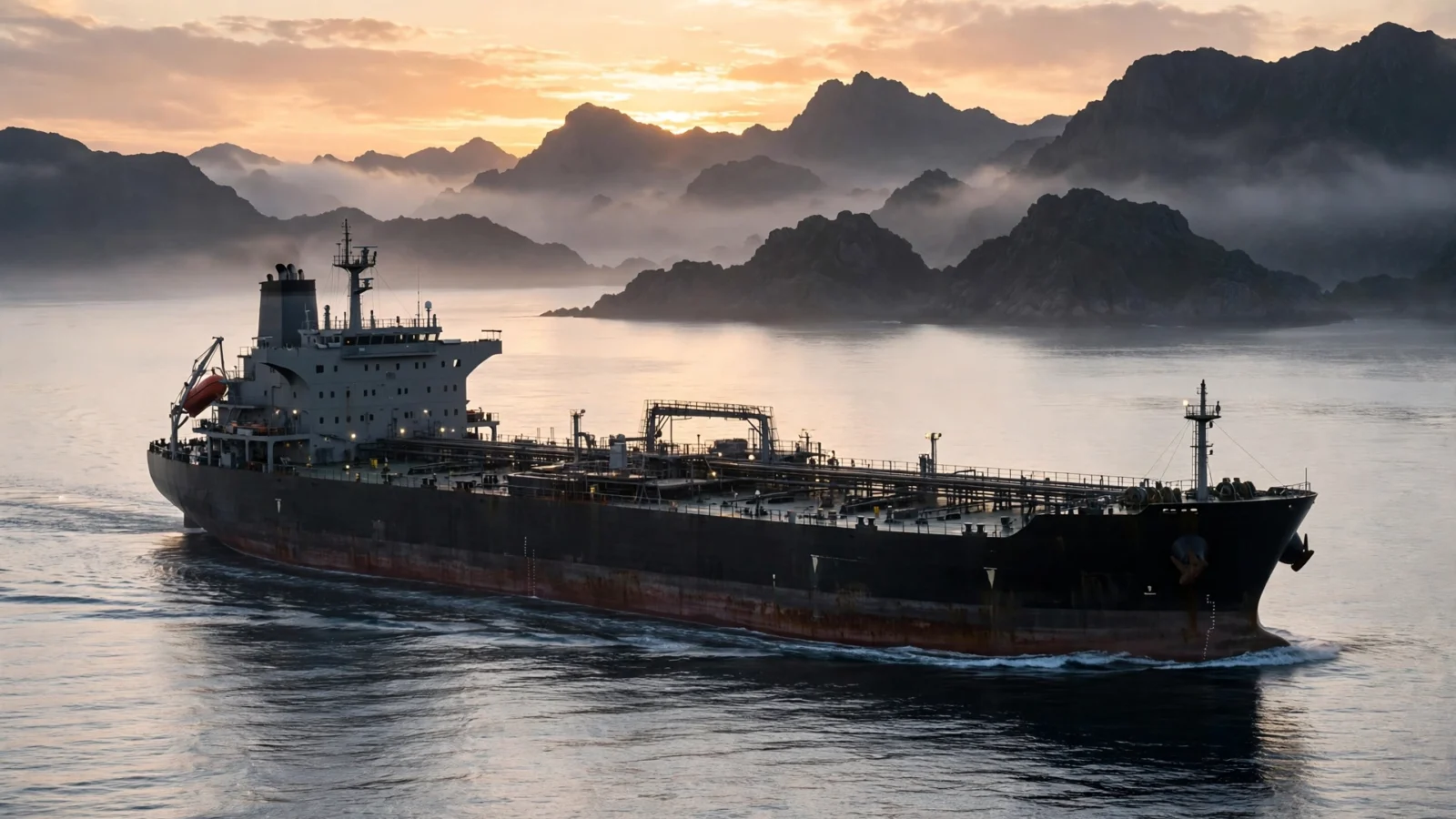
Oil prices held near five-month highs on Tuesday as traders weighed the risk of further Iranian attacks in the Strait of Hormuz against crude flows from the Persian Gulf that have begun to recover.
Brent crude for December settlement rose 0.2 percent to $109.77 a barrel in morning trading in Singapore, just below $110 and its highest level since May, according to Bloomberg. The most actively traded West Texas Intermediate contract hovered near $99, while the November contract, which expires Tuesday, was little changed at $103.77.
Iran’s warning
Iran’s first vice president, Mohammad Reza Aref, said Monday that Iran had “no choice” but to assert control over the Strait of Hormuz to protect the country’s security, according to a report from state-run news agency IRNA. Aref said the Islamic Republic could ensure safe passage through the strait for friendly nations but warned that “the US is now the cause of the current situation and must pay the price.” He made the remarks during a meeting in Tajikistan with Russian Prime Minister Mikhail Mishustin.
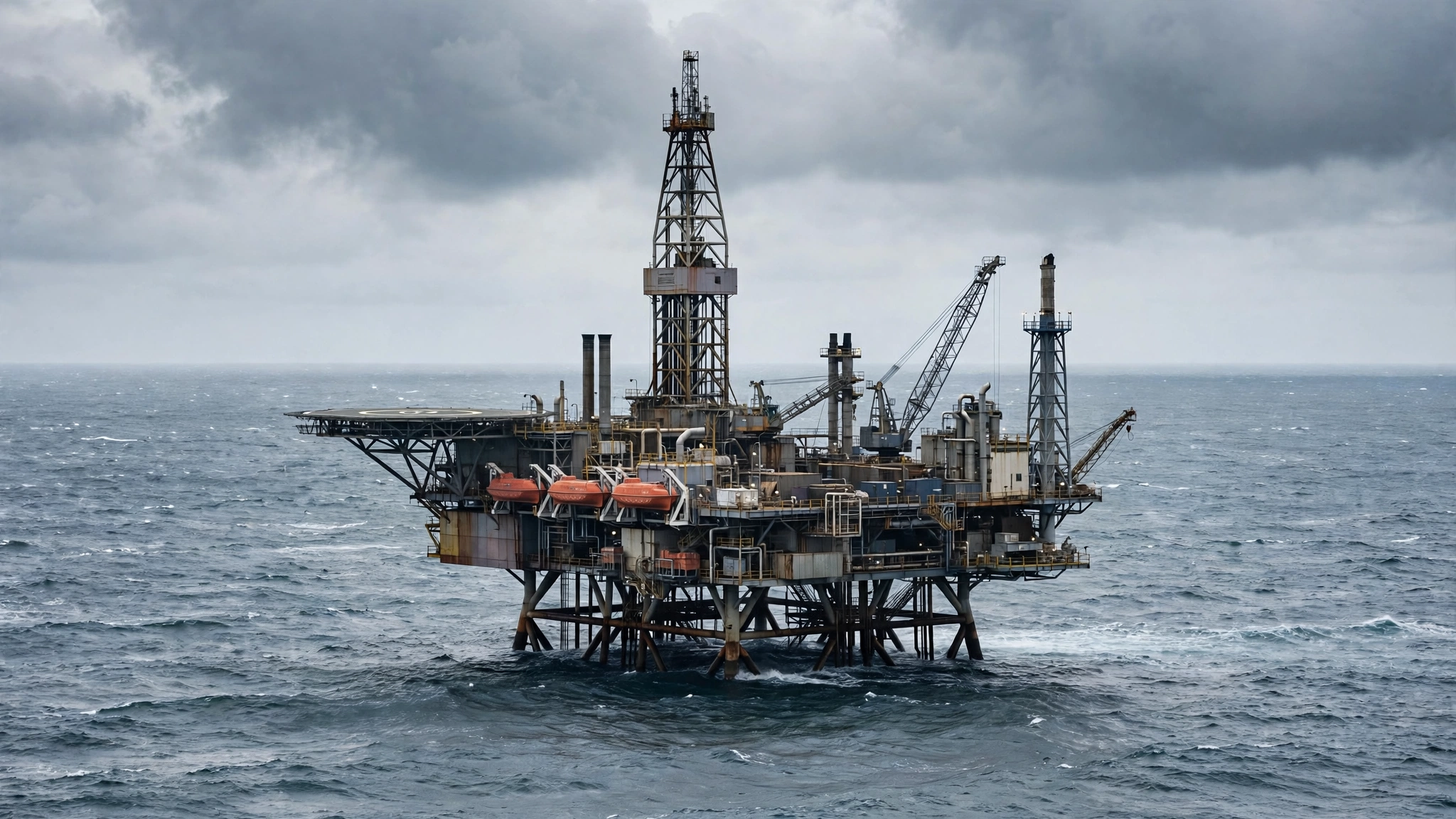
Recovering flows, rising risk
US Energy Secretary Chris Wright told Fox News that crude flows from the Gulf had recovered to about 80 percent of their prewar level, though shipments of refined products remained constrained. Iraq was among the Persian Gulf producers ramping up crude flows, with the country’s oil minister saying exports have exceeded 3.4 million barrels a day so far this month.
Analysts said the market was still pricing in the risk of worse to come. “The risks to oil prices clearly lie to the upside,” said Hamad Hussain, a commodities economist at Capital Economics, adding that escalating attacks on ships raised the possibility of “a renewed fall in oil supply and a continued rise in prices.”
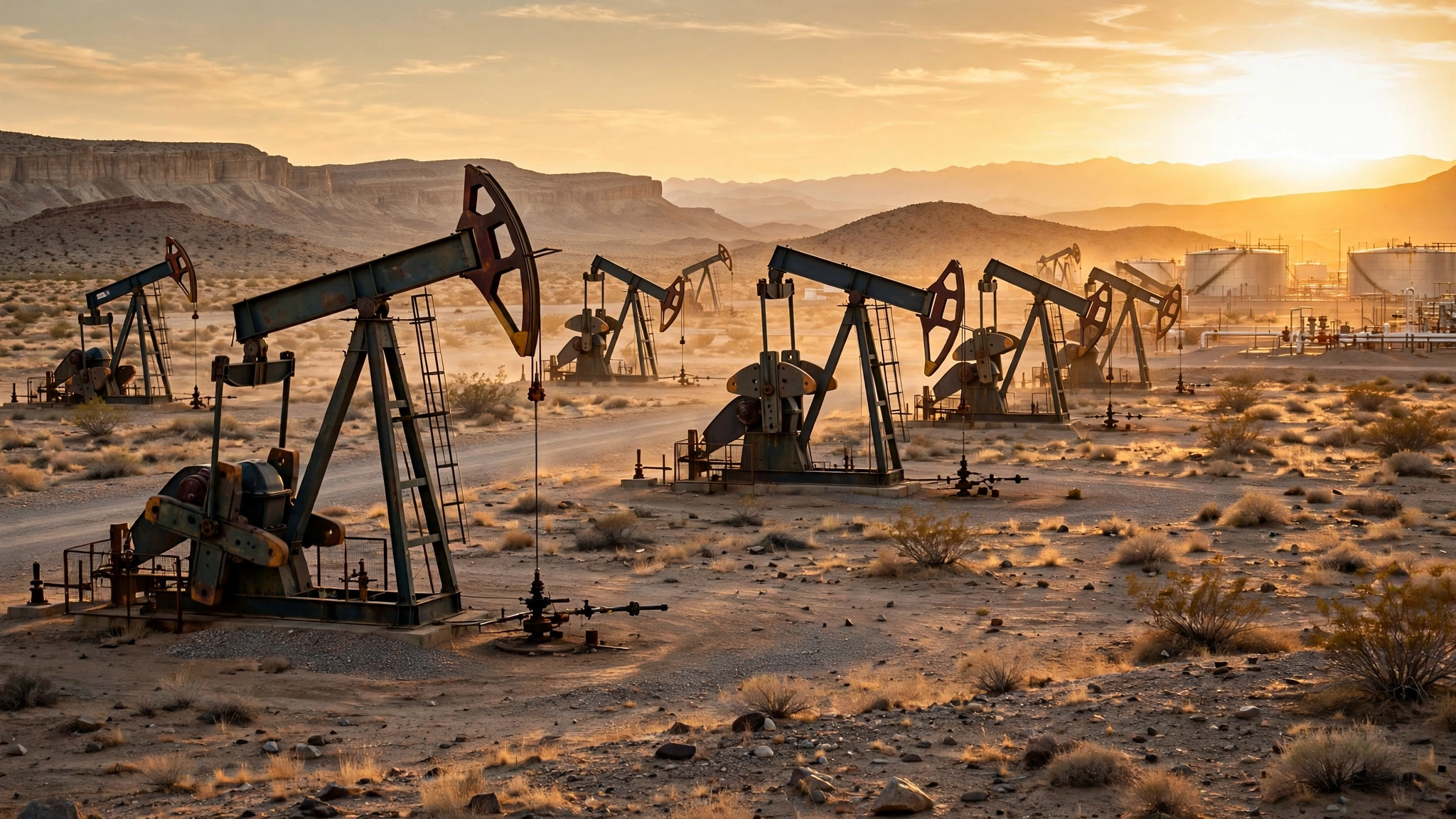
The Trump administration is authorizing the sale of sanctioned oil tankers so they can legitimately ship crude, Wright said, a move aimed at expanding capacity as the conflict strains supply. He estimated about 1,600 vessels make up the global “dark fleet.”
Reporting based on coverage by Bloomberg.